
The above information is stated in the proposal for appraisal of the investment policy proposal report sent by Vingroup to the Ho Chi Minh City People's Committee.
According to the proposal, the Can Gio - Vung Tau sea-crossing road has a total length of about 14 km, a scale of 6-8 lanes, combined with bridges and sea-crossing tunnels.
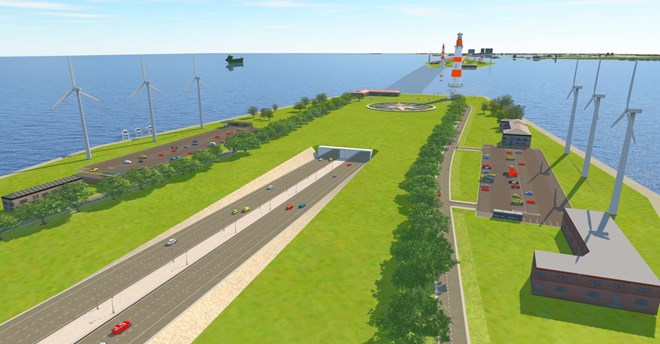
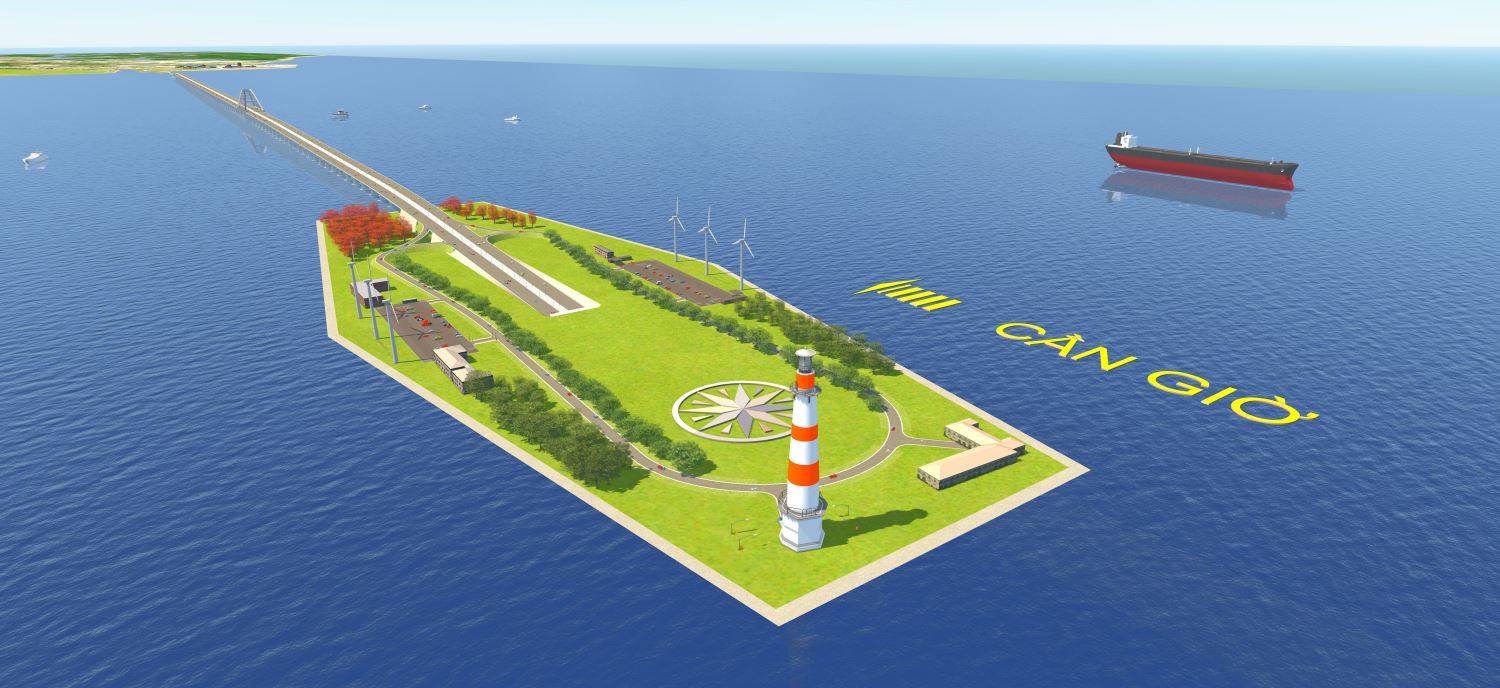
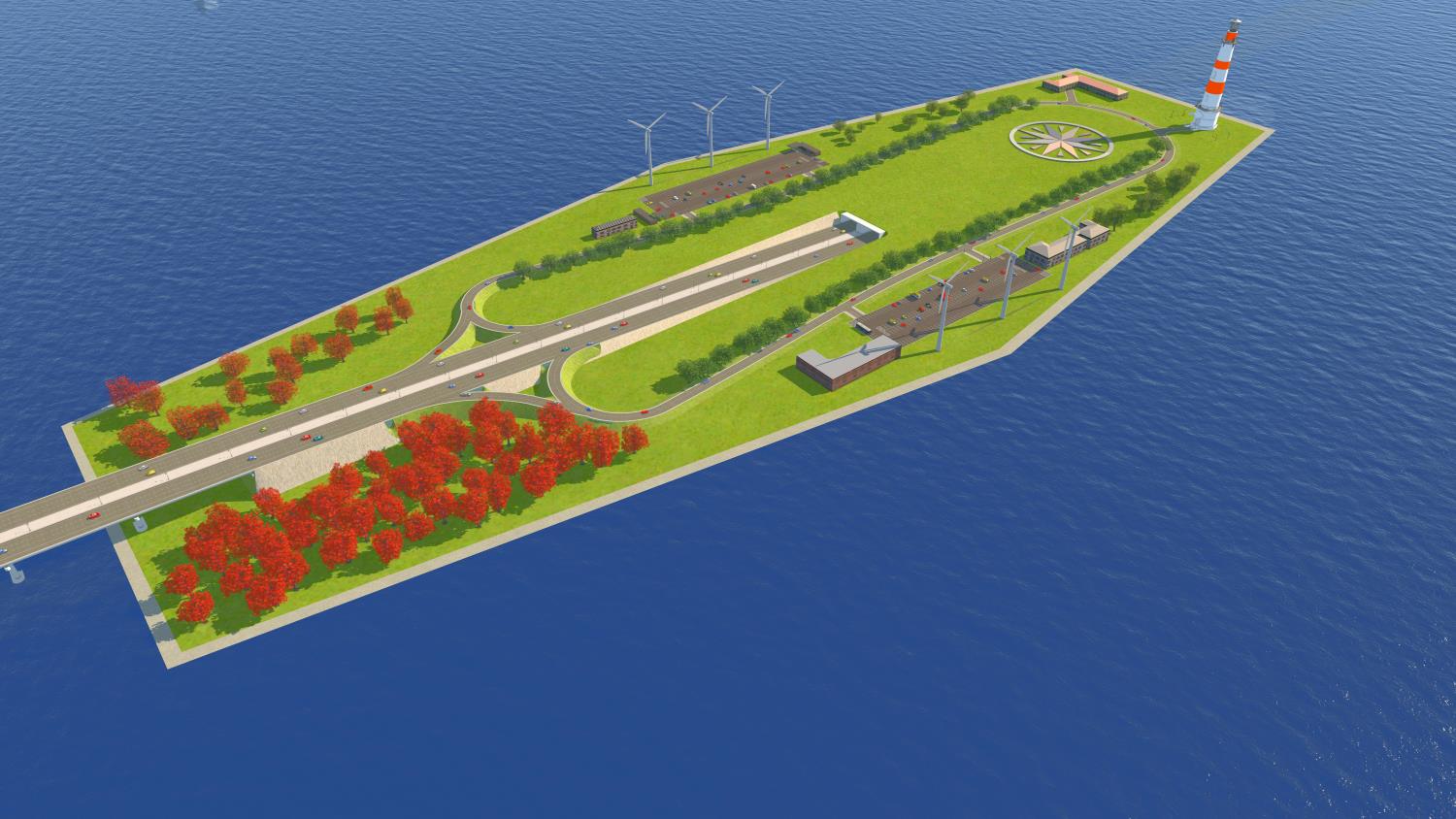
In which, the sea tunnel section is about 3.1 km long, including a 2.1 km long submerged tunnel, a 390 m closed tunnel and a 610 m open tunnel, arranged with 6 lanes. The project uses a reinforced concrete submerged tunnel structure similar to Thu Thiem tunnel. Two artificial islands will also be built at both ends of the tunnel.
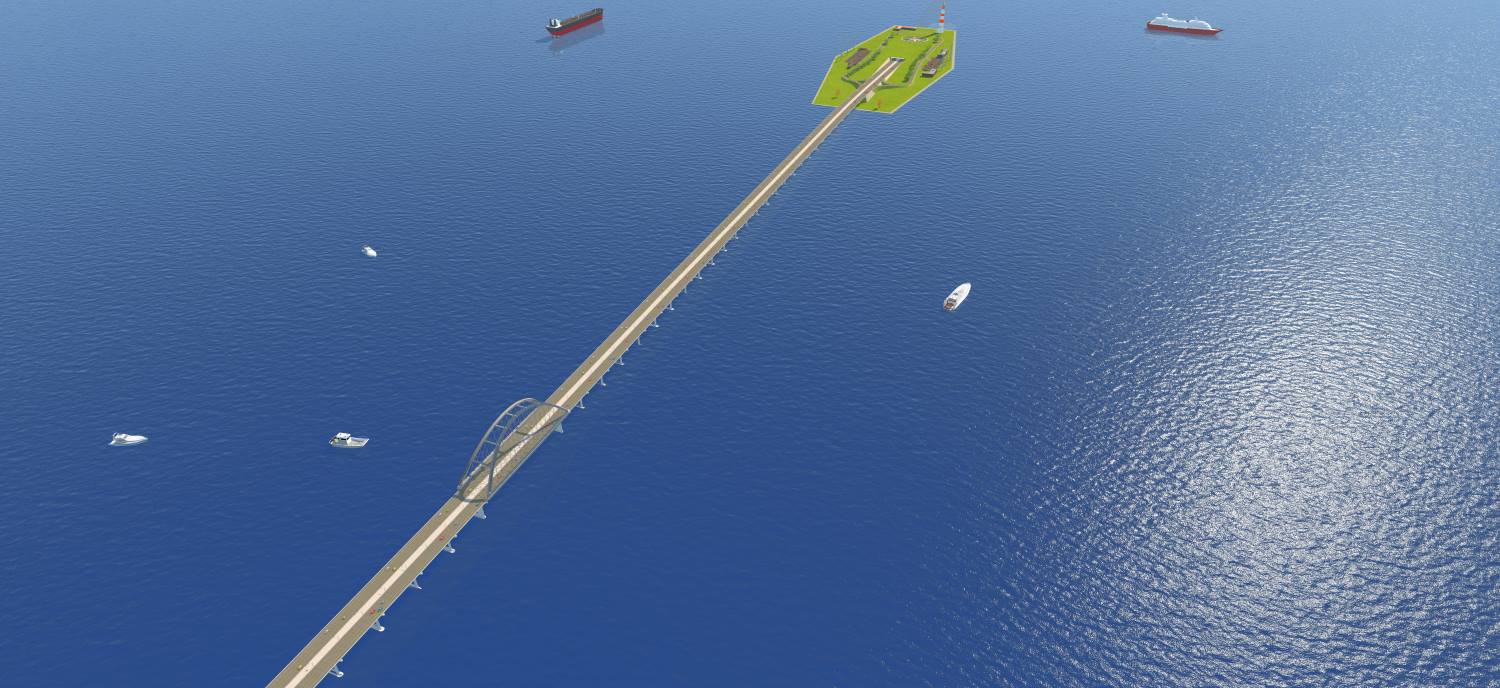
The sea bridge section is about 8 km long, of which the Can Gio side is more than 5.3 km long and the Vung Tau side is more than 2.6 km long, with a scale of 6 lanes. On the route, there is a 150 m long steel arch span and an approach bridge system with a 60 m span.
The access road section is nearly 3 km long, of which the Can Gio side is more than 1.1 km long and the Vung Tau side is nearly 1.9 km long, with 6-8 lanes wide.
According to the traffic organization plan, motorbikes are only allowed to circulate on access roads, while the bridge and tunnel area will ban motorbikes because it does not ensure safety in strong winds and storms at sea.
The total investment capital of the project is expected to be more than 92,600 billion VND, of which the cost of bridge construction is about 23,300 billion VND, the cost of tunnel construction is nearly 35,000 billion VND. The cost of site clearance in Tam Binh, Tam Thang, Rach Dua wards is nearly 480 billion VND, along with many other expenses.
The Can Gio - Vung Tau sea-crossing road project is proposed to be implemented according to the public-private partnership (PPP) method, BT contract (build - transfer).
Investors will self-fund the construction of the entire project, including compensation and site clearance costs. The State will pay investors with land funds of equivalent value to the project.
According to the expected plan, in the first quarter of 2026, the investment policy proposal report and feasibility study report will be approved, and investors will be selected and BT contracts will be signed.
In the second quarter of 2026, site clearance will be carried out and construction will begin. The project is expected to be completed and put into operation in the second quarter of 2029.
The investor proposed that the Ho Chi Minh City People's Committee consider submitting to the Ho Chi Minh City People's Council to decide on the investment policy of the project, approving implementation according to the PPP - BT contract method.
At the same time, allowing the application of an investor selection mechanism in special cases and using land funds according to the proposed list to pay contracts.
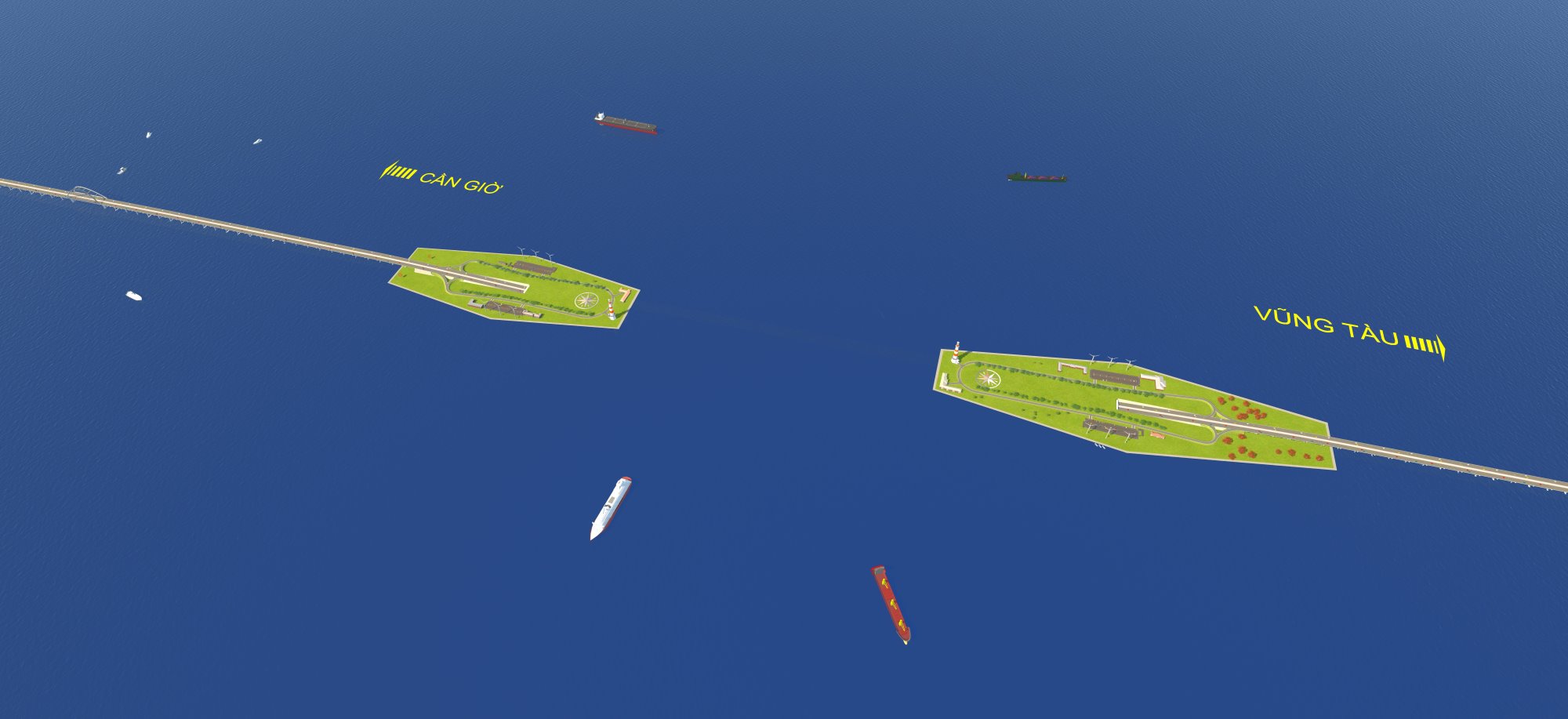
According to assessments, the Can Gio and Long Son - Vung Tau areas are two coastal areas with great potential for ecotourism, industry - seaports and logistics.
However, there is currently no direct connection route, people and businesses have to travel through National Highway 51 or take a ferry, taking about 90 - 120 minutes.
If implemented, this sea-crossing route will become a direct connecting axis between Ho Chi Minh City and Vung Tau along the coast, helping to shorten travel time to about 15 - 20 minutes.
At the same time, the project is expected to support the development of Can Gio sea tourism, Long Son industrial park, increase the exploitation capacity of Cai Mep - Thi Vai port cluster, reduce traffic pressure for National Highway 51 and open up a driving force for socio-economic development for the southern area of Ho Chi Minh City.


