According to Bloomberg sources, the US is about to allow German subsidiaries of Russian oil and gas corporation Rosneft to continue operating without being sanctioned. The decision is expected to be officially announced later this week.
The move is seen as an effort to ensure that oil refineries in Germany continue to operate normally, while the escalating conflict in the Middle East raises concerns about disruptions to global oil and gas supplies.
Currently, Rosneft Deutschland holds shares in 3 large German oil refineries. These facilities have been placed under special management by the Berlin government since 2022, after the conflict in Ukraine broke out and the West imposed a series of sanctions on Russia. The above three refineries account for about 13% of Germany's total oil refining capacity.
Under the "trust management" mechanism applied by Berlin, Rosneft still retains ownership of assets, but the operations of subsidiaries in Germany are separated from the parent company's sanctions status. This allows the plants to continue to produce and supply fuel to the domestic market.
In October last year, the US put Rosneft on the sanctions list, banning US companies and financial institutions from trading with this corporation and its branches. Washington also issued a temporary license for Germany until April 29 to sell Rosneft's assets or nationalize them.
However, Berlin faces many difficulties in finding suitable buyers. The German government is also cautious about the nationalization option, fearing the risk of retaliation from Russia as well as costly legal disputes. Rosneft has repeatedly criticized the placement of factories under the entrustment regime as "illegal" and contrary to market principles.
The focus of the problem is the PCK Schwedt refinery, the largest facility in Rosneft's system in Germany. This refinery supplies about 90% of the fuel to the capital Berlin.
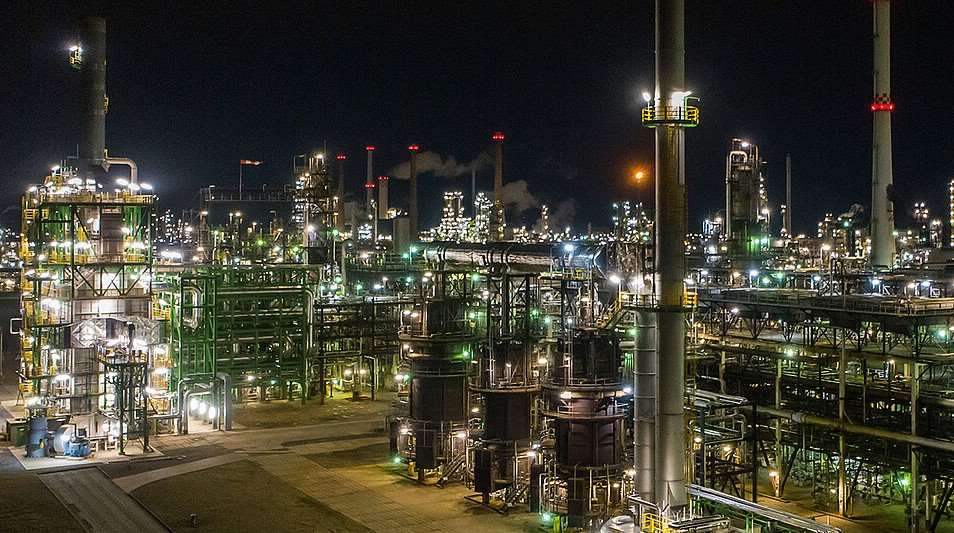
According to sources, the plant's leadership sent a private letter to the German government in January, warning that sanctions are "stifling daily operations" and could lead to a fuel shortage risk in Berlin if the situation persists.
The US indefinite exemption from sanctions for Rosneft Deutschland, if confirmed, will create legal certainty for banks, insurance companies and suppliers to continue trading with this factory system.
The need to maintain Europe's stable oil refining capacity is becoming increasingly urgent in the context of escalating tensions in the Middle East. Iran is responding to US and Israeli airstrikes with missiles and UAVs targeting many targets in the region, including energy facilities.
Notably, transportation through the Strait of Hormuz - the sea route between Iran and Oman - is almost paralyzed. This is a strategic transport route accounting for about 20% of global oil exports.
Analysts believe that in the context of the energy market facing the risk of supply shortages, the US is forced to be more flexible with some of Russia's energy assets in Europe. If the fuel supply for Germany is interrupted, the spillover effect may cause the entire European energy market to fall into a new price vortex.