
On March 14, US President Donald Trump affirmed that countries affected by energy supply disruptions need to coordinate with the US to ensure the smooth flow of the Strait of Hormuz. This is a route that transports up to 20% of the world's oil and gas, but has been blocked since the conflict between the US-Israel and Iran coalitions broke out.
Mr. Trump publicly named China, France, Japan, South Korea and the UK with the expectation that these countries will contribute naval forces to join the US in conducting military operations to completely eliminate naval mines and threats from drones at sea.
Although the statement significantly weakened Iran's power, Mr. Trump still acknowledged the asymmetry threat from Iran's naval mines and suicide drones. Responding to this call, the Iranian Islamic Revolutionary Guard Corps (IRGC) Navy affirmed that the strait is still under their tight control.
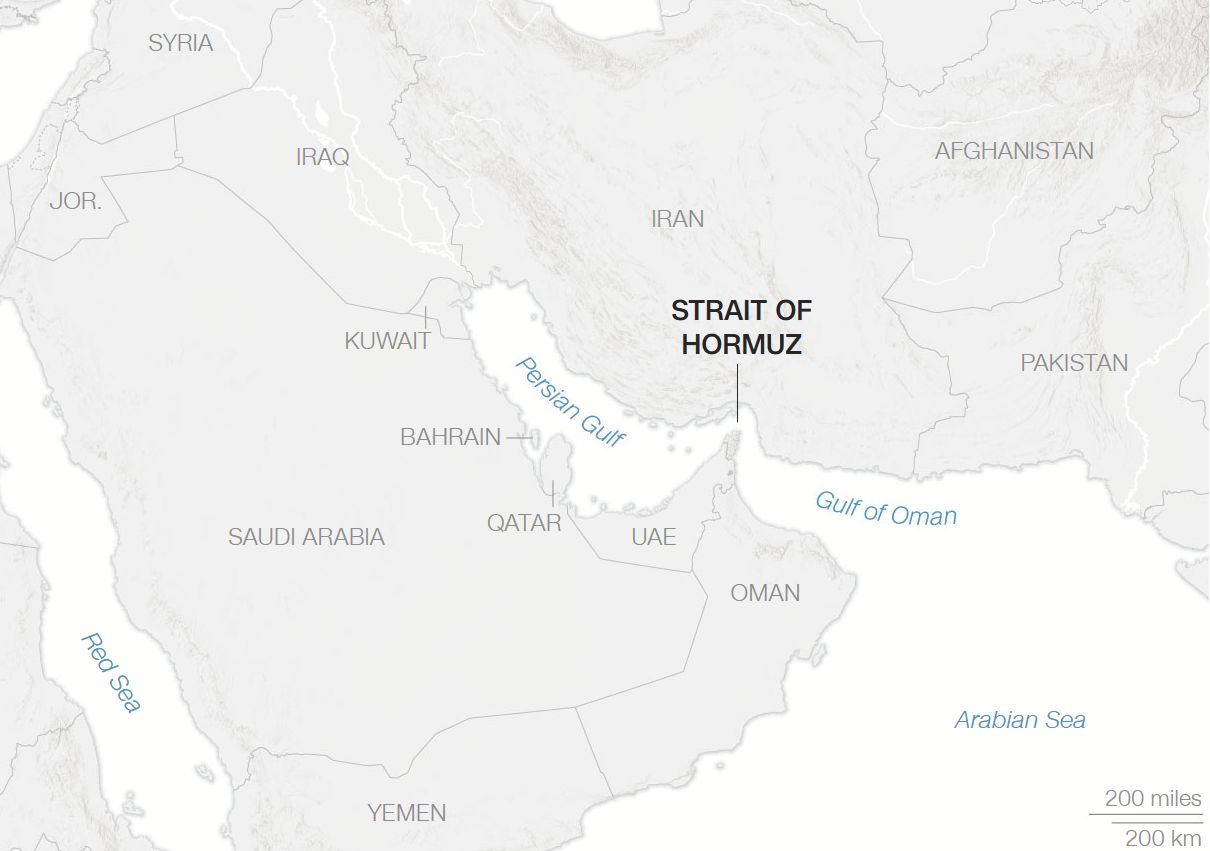
The deadlock in the Gulf "hotpot" is pushing the world into a multi-layered crisis. Not only are gasoline prices escalating, global food security is also seriously threatened.
The Strait of Hormuz was originally the gateway for exporting essential raw fertilizers for the cereal production to feed more than 40% of the planet's population. The United Nations warns millions of people will be in danger if humanitarian shipments and agricultural supplies continue to be stuck behind the blockade line.
Currently, the US is deploying thousands of marines and the amphibious assault ship USS Tripoli to the area. However, analysts believe that a unilateral military solution is unlikely to thoroughly solve the problem. Just a few small attacks from Iran is enough to make maritime insurance companies refuse to license and maintain the paralysis state of this corridor.
The conflict that occurred from the end of February 2026 has caused great losses of life and property. Faced with increasing economic pressure, the powers are facing two paths: Joining a military alliance led by the US to confront directly, or seeking separate diplomatic agreements with Iran as India and Turkey have done to protect national interests. This division makes the situation in Hormuz extremely complicated and unpredictable.


