
The shocking first public offering of Unitree Robotics, the bustling World Robotics Conference (WRC) and the upcoming World Human Robot Competition form a series of events that make this week a hot spot in the Chinese robotics industry.
Behind those events is a clear trend: China is rapidly becoming the center of innovation in robotics in the world, a field that is predicted to reshape the way goods are produced and the way people live.
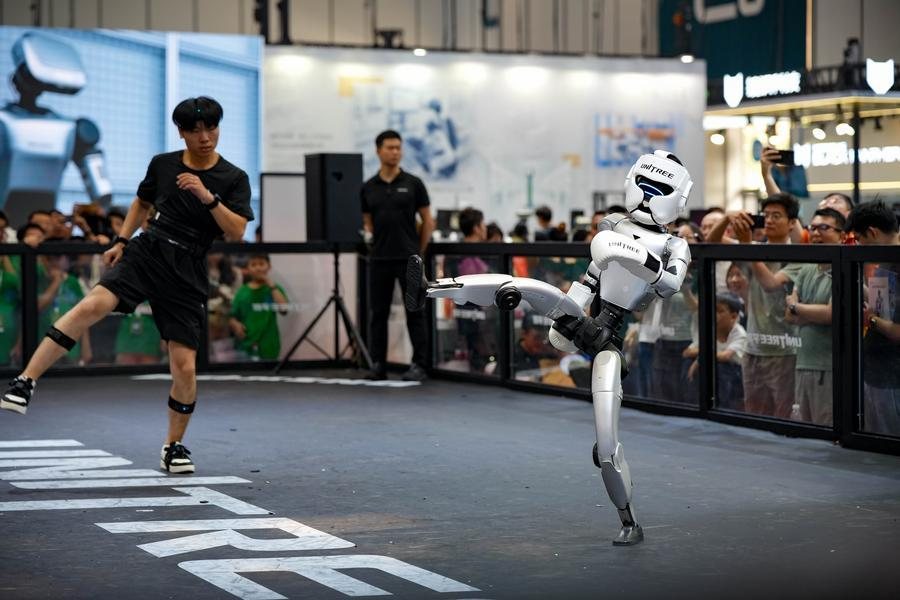
Data from the Chinese Ministry of Industry and Information Technology shows that the revenue of large-scale industrial enterprises in the robotics industry exceeded 300 billion yuan (about 44.24 billion USD) in 2025, with an average growth rate of more than 20% per year in the past 5 years.
A report by research company Smart Analytics Global based in California (USA) shows that the number of human-shaped robots shipped globally in the first half of 2026 reached about 19,100 units, of which products manufactured by China accounted for more than 97%.
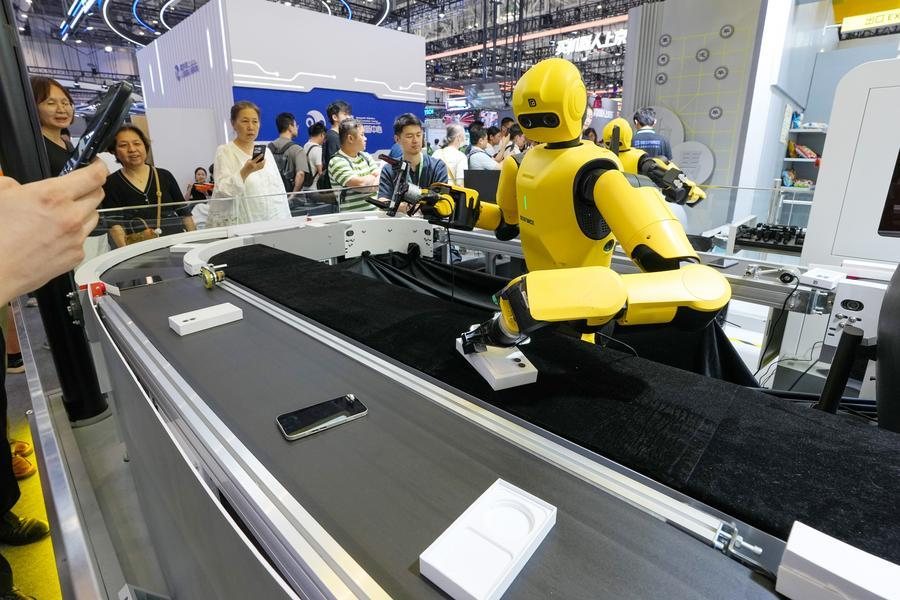
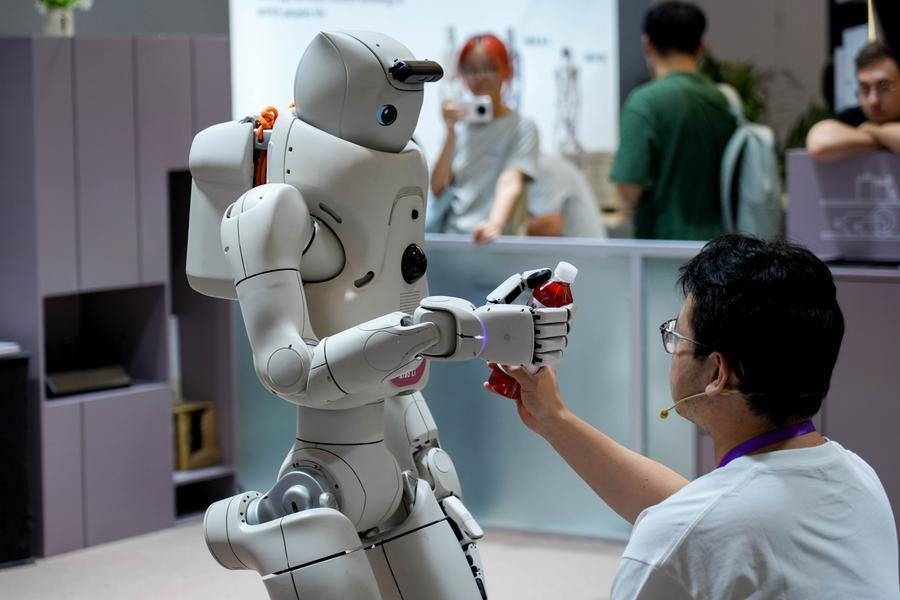
In a broader scope, the country's industrial robot exports increased by 13.2% in the period from January to July, while the number of surgical robots shipped in the first half of 2026 increased 3.3 times compared to the same period.
According to Minister of Science and Technology Yin Hejun, robots, artificial intelligence products and newly invented drugs are 3 new drivers for China's export growth.
That growth momentum is clearly shown at this year's WRC, held at a technology center in southeastern Beijing. On normal mornings, traffic is paralyzed for many kilometers around the exhibition area, forcing the organizers to issue daily "travel warnings" - details that speak volumes about the heat of this field in China. Inside the exhibition area, the density of visitors is no less than at the Consumer Electronics Show (CES) events in Las Vegas.
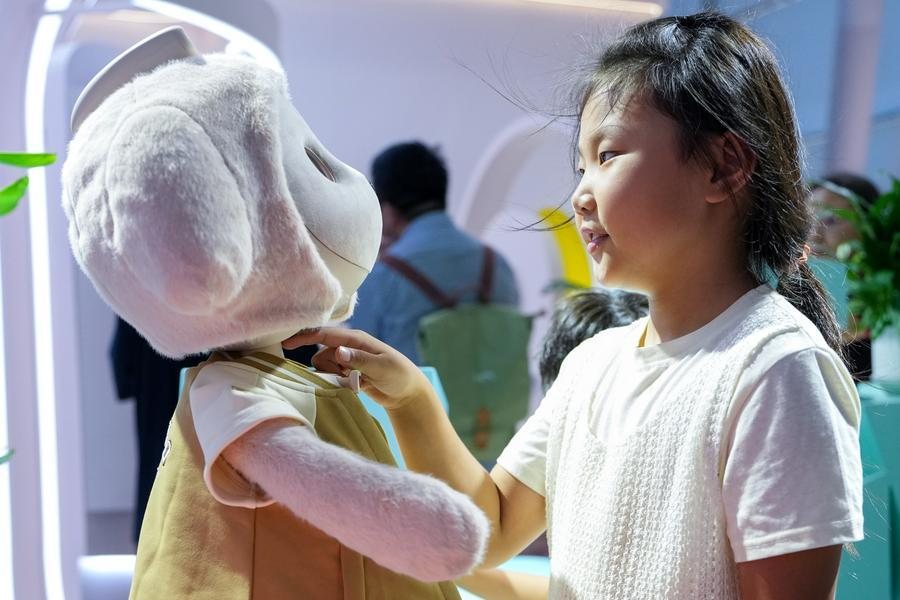
The number of exhibition units at WRC this year exceeded 300, an increase of 69% compared to 2025, with more than 3,000 products introduced, of which about 300 products were launched for the first time. Many products operate based on large AI models, cloud computing and big data.
Car manufacturers such as Xiaomi also introduced their own humanoid robots, showing the demand from the industry that is promoting innovation in the robotics field. The exhibition also featured robots serving the needs of companionship, housework, convenience store sales and coffee brewing - products aimed at the huge consumer market of China, which has been holding the second position in the world in terms of goods consumption for more than 10 consecutive years.
Robots are no longer just revolving around flashy ideas and specifications. They are increasingly focusing on solving challenges in real life," said Ren Jingwei, manager at the Zhiyuan Research Institute in Hangzhou.


