An energy industry source revealed that about 9.5 million barrels of Russian crude oil are lying on oil tankers near Indian waters and could dock in just a few weeks, helping the country's refineries reduce supply pressure.
Russia's preparation takes place as India - the world's third largest oil consumer - faces the risk of fuel shortages. According to government sources, the country's strategic oil reserves are only enough to meet about 25 days of demand, while inventories of fuel products such as diesel, gasoline or liquefied natural gas are also limited.
An Indian government official said that New Delhi is actively seeking alternative supplies to prepare for a scenario of conflict in the Middle East lasting more than 10-15 days.
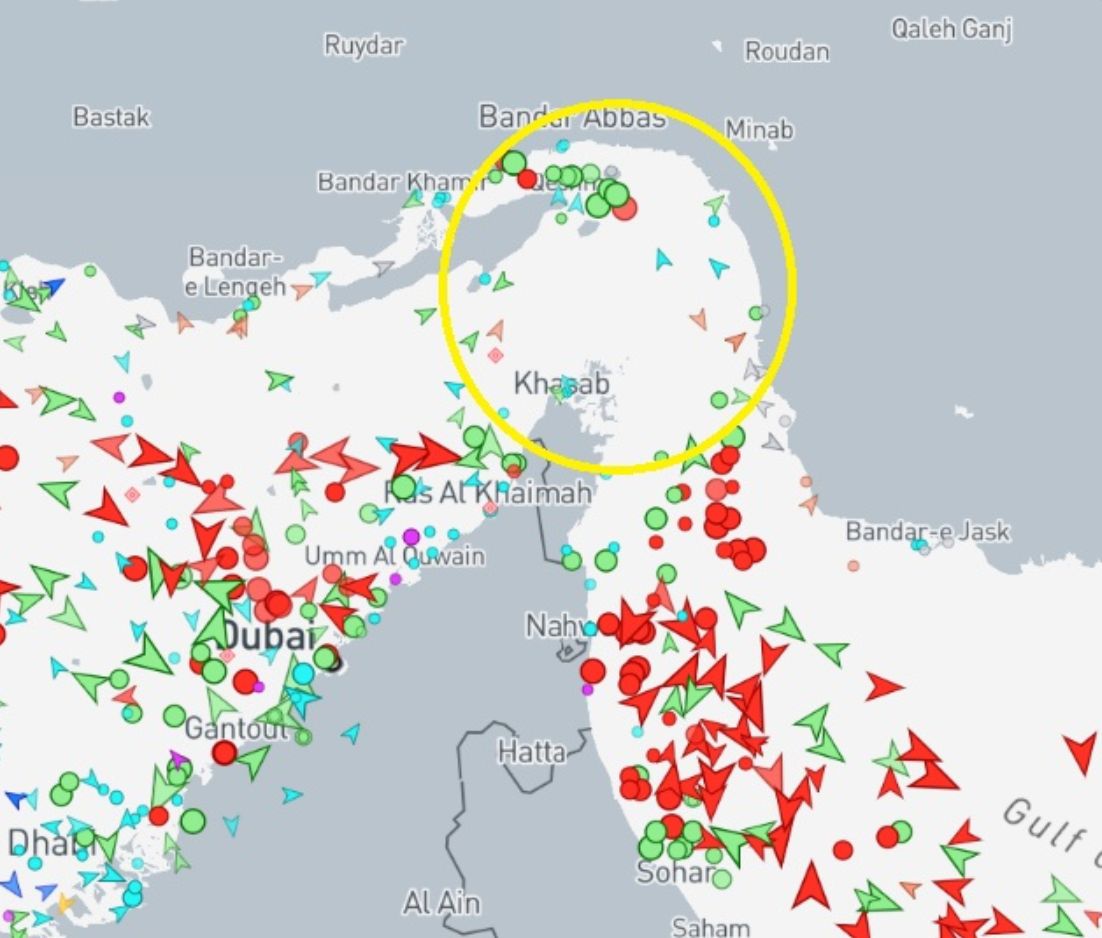
Pressure is increasing as about 40% of India's oil imports have to go through the Strait of Hormuz, the world's most important energy transport route connecting the Persian Gulf with global markets.
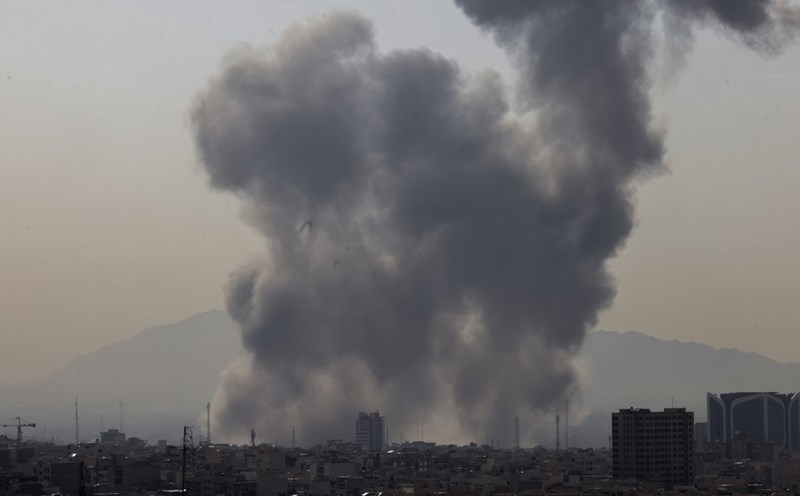
This sea route is falling into a state of near paralysis after a series of attacks on ships in the area, taking place after airstrikes by the US and Israel targets in Iran.
Indian refineries currently process about 5.6 million barrels of oil per day, making maintaining stable import flows a vital factor for the country's economy.
According to industry sources, Russia is ready to help meet up to 40% of India's crude oil demand if Middle East supply is seriously disrupted.
Recently, Russian oil imports into India once decreased to about 1.1 million barrels/day in January, the lowest level since the end of 2022, when New Delhi sought to reduce pressure from US tax measures and political pressure. At that time, the proportion of Russian oil in India's total imports decreased to about 21.2%.
However, in February, this number increased again by nearly 30%, showing that Russia is still an important supplier to the Indian energy market.
Indian oil refineries currently maintain regular contact with Russian oil traders. However, whether to sharply increase imports from Moscow depends on government direction, especially in the context that New Delhi is still maintaining trade negotiations with Washington.
Last month, US President Donald Trump announced that he would lift sanctions on Indian goods related to the country's purchase of Russian oil, and said that New Delhi had pledged to "stop buying Russian oil".
The Indian side denied this information, affirming that their energy strategy is to diversify supply based on market conditions and international developments.
According to energy experts, if the Middle East conflict lasts and supply continues to tighten, the global oil market may shift to a state of "the seller takes the upper hand", causing the discount rate of Russian oil compared to international prices to rapidly shrink.
In addition to crude oil, Russia is also said to be ready to supply liquefied natural gas (LNG) to India after Qatar - one of the country's largest LNG suppliers - temporarily suspended production due to widespread conflict.