On March 1, in a live televised speech, Prime Minister Keir Starmer announced that Britain would mobilize experienced teams from Ukraine to coordinate with the British military to protect allies in the Gulf region.
Experts who have had more than 4 years of directly dealing with tens of thousands of Shahed-style unmanned aerial vehicles (UAVs) on the Eastern European battlefield will play a key technical advisory role in neutralizing Iran's long-range attacks.
Prime Minister Starmer affirmed that Britain will not directly participate in US and Israeli joint attacks targeting Iran's inland. However, he allowed the US to use British military bases in the area for limited defensive purposes to destroy enemy missile launchers before they can fire. This decision was made to protect more than 200,000 British citizens living and working in the Middle East from the wave of retaliation from Tehran.
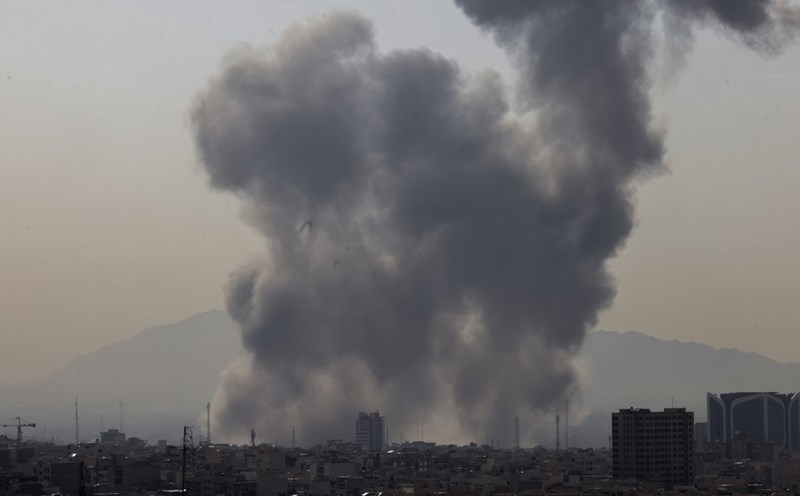
The mobilization of experts from Ukraine takes place in the context of Iran continuously deploying UAVs and missiles targeting tourist symbols, airports and military bases in neighboring countries.
Ukrainian President Volodymyr Zelensky also expressed his willingness to share real-world air defense experience with Gulf partners. He emphasized that this coordination is the most effective option to prevent the UAV attack tactic that Tehran is applying after the incident of leader Ali Khamenei's death.
The appearance of Ukrainian experts at the Middle East hotspot marks a new turning point in international military cooperation. European powers are closely monitoring this model, as experience from the conflict in Eastern Europe begins to be applied to address security threats in the Gulf region.
The combination of Western technology and Ukraine's real-world experience is expected to create an effective shield to protect the world's vital economic and oil and gas arteries.