
The draft is built to remove difficulties and obstacles arising in the process of implementing Decree No. 38/2026/ND-CP, creating favorable conditions for people, cooperatives and businesses in the production, consumption, and export of agricultural products, while still ensuring state management requirements while waiting for comprehensive amendments to the decree in a streamlined order.
According to the drafting agency, dossiers for planting area codes and packaging facility codes will be simplified in the direction of reducing dossier composition, implementing online and strengthening management with digital data. All information about planting areas and packaging facilities will be centrally managed, connected to traceability databases and related databases.
Notably, for growing areas serving the domestic market, the expected time to resolve procedures is no more than 3 working days from the time of receiving sufficient valid dossiers and applying the post-inspection mechanism.
Meanwhile, for planting areas and packaging facilities serving exports, the draft still maintains the pre-inspection mechanism with a processing time of no more than 10 working days to ensure meeting the technical requirements of each import market.
Representatives of many localities assessed that simplifying procedures is necessary, but proposed to clearly stipulate the responsibilities of commune-level authorities in confirming land information; and at the same time provide specific guidance on procedures, forms and post-inspection methods to ensure convenience in the implementation process.
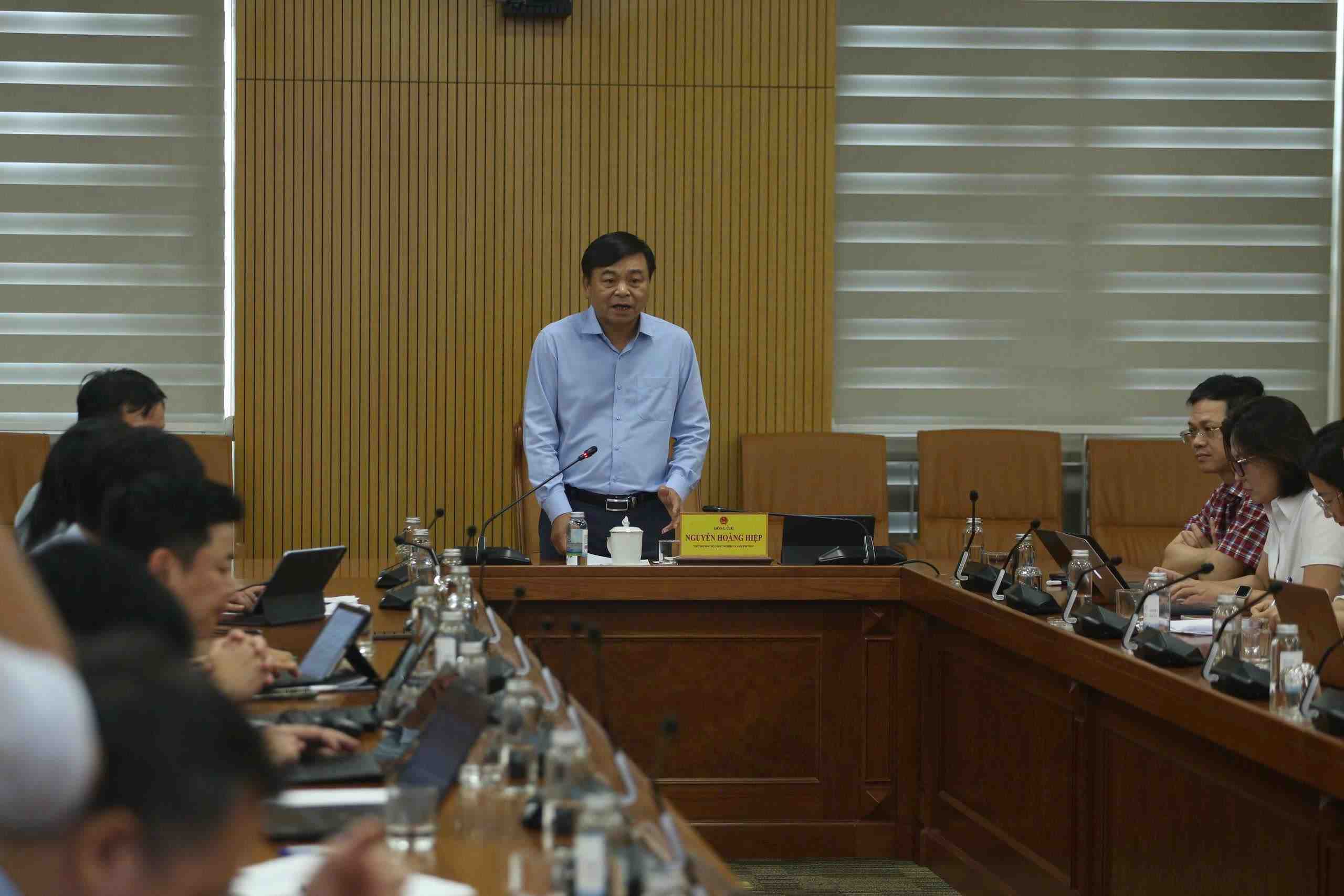
Concluding the workshop, Deputy Minister of Agriculture and Environment Nguyen Hoang Hiep emphasized that the innovation of the issuance and management of planting area codes and packaging facility codes is not only for export but also aimed at production management, traceability and ensuring food safety for the domestic market.
According to the Deputy Minister, simplifying administrative procedures does not mean loosening management. For exported agricultural products, a 10-day pre-inspection period is still necessary for specialized agencies to fully assess the compliance with the requirements of importing countries, limiting risks affecting the reputation and brand of Vietnamese agricultural products.
After the workshop, the Ministry of Agriculture and Environment will receive opinions, complete the draft Resolution, and collect opinions from relevant ministries and sectors before submitting it to the Government for consideration and promulgation. At the same time, the draft will clearly stipulate the responsibilities of specialized agencies in summarizing and transferring the list of planting area codes and packaging facility codes to the competent authorities of the importing country, ensuring unified focal points and meeting the requirements of each market.
The Ministry also requested localities to urgently review and standardize the planting area database and packaging facilities; promote production linkages, develop cooperatives and form concentrated raw material areas to improve management efficiency, reduce compliance costs and increase traceability.
In parallel with that, the Ministry will continue to work with the Chinese side to promote the recognition of planting area codes, packaging facility codes that have been sent, and at the same time adjust the receiving process in a direction suitable to the crop season, strengthen traceability, ensure food safety and phytosanitary.
According to the Ministry of Agriculture and Environment, timely removal of obstacles in the issuance and management of planting area codes and packaging facility codes will contribute to maintaining the growth momentum of agricultural exports and towards the target of agricultural, forestry and fishery export turnover reaching 74 billion USD in 2026.


