
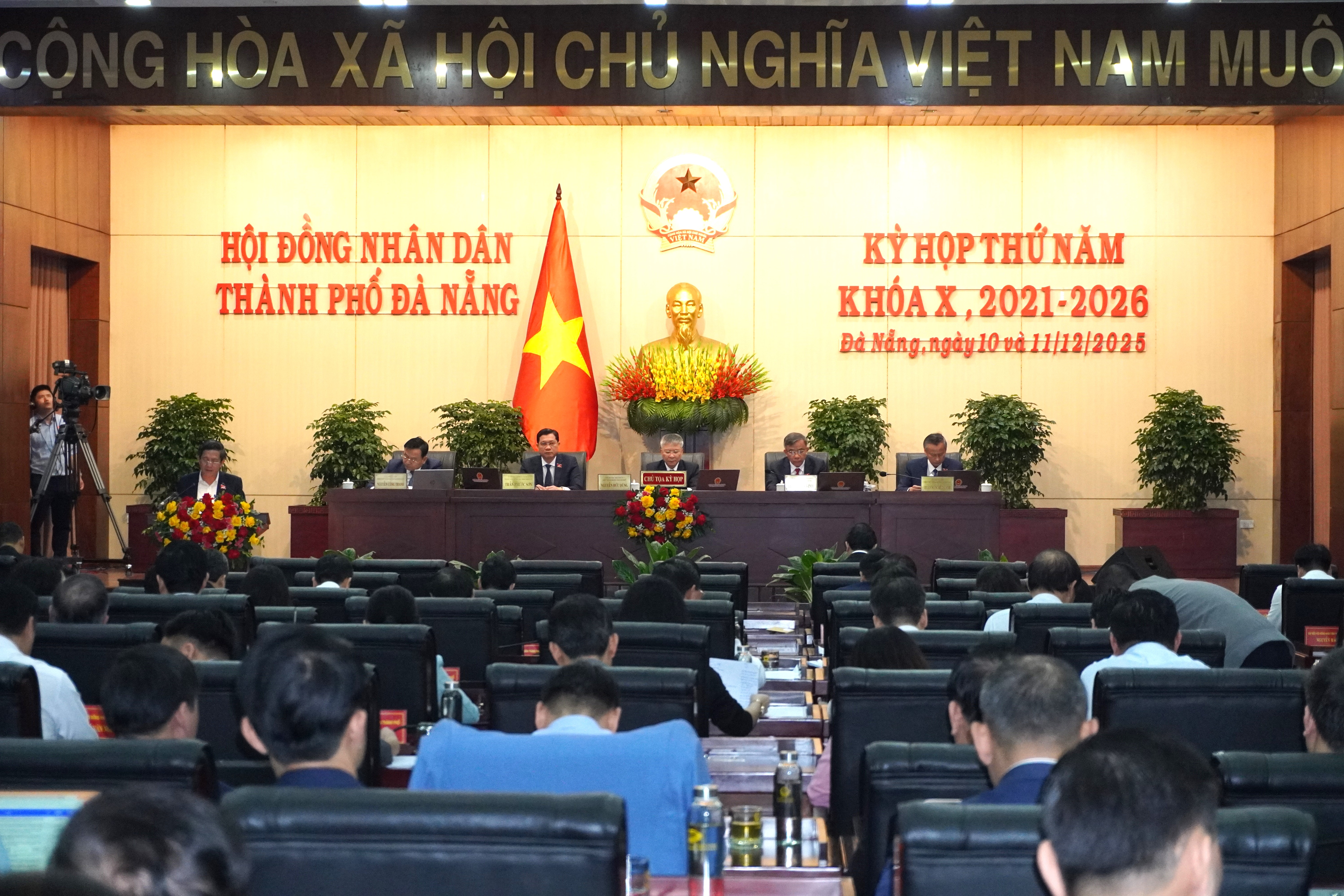
On December 11, at the 5th Session of the 10th Da Nang City People's Council, many delegates spent a significant amount of time discussing the submission for the issuance of the 2026 land price list - an issue that is assessed to have a profound impact on the socio-economy, attracting investment and people's lives.
All opinions agreed that the issuance of a new land price list is a mandatory requirement under the 2024 Land Law, but it needs to be carefully considered and carefully reviewed to ensure the harmony of interests between the State, people and businesses.
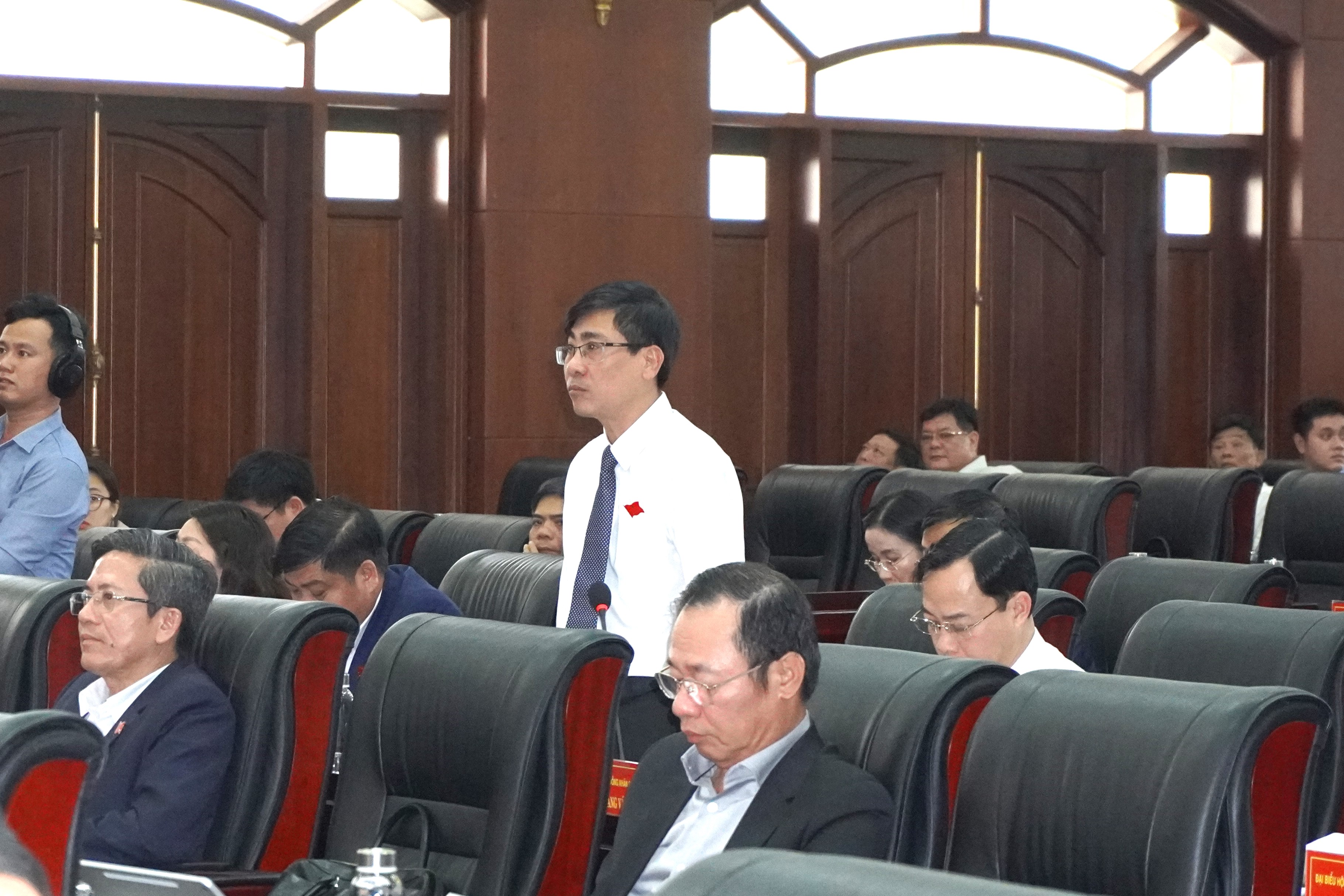
Delegate Tran Thang Loi said that although the City People's Committee and the Natural Resources and Environment sector have prepared documents in accordance with regulations, the time to build a land price list in 2026 is still urgent, not enough to assess the comprehensive impact on people's socio-economic life, production and business activities and tax obligations.
According to Mr. Loi, Da Nang has adjusted land prices many times, most recently in June 2025 and before that in 2024, with a fairly high increase, only lower than Hanoi and Ho Chi Minh City.
"When issuing the price list for 2024, people and businesses had many reactions. This is a lesson that needs to be learned to consider carefully when issuing the new price, he said.
The delegate suggested keeping the current land price stable, only locally adjusting some areas bordering the old Da Nang and the old Quang Nam when there is a large difference.
"We must issue a price list before January 1, 2026, but we need more time to assess the impact, review and build a reasonable price list, serving the city's sustainable development goals," Mr. Loi stated his opinion.
According to delegate Vu Quang Hung, the increase in land prices at this time only brings in short-term revenue, while the consequences for the investment environment are long-term and profound. If land prices increase, the city may lose the opportunity to attract strategic projects, lose sustainable revenue and reduce competitiveness.
In the current pivotal period, Da Nang needs a stable land fund to develop free trade zones, logistics, industrial park infrastructure and seaports. Therefore, the delegate proposed four contents: not increasing land prices, promoting site clearance to keep land funds clean, completing on-site infrastructure - services, and prioritizing improving the quality of the investment environment instead of increasing prices.
The delegate also noted the public land fund in the center of Da Nang with 392 large lots, more than 3.4 million m2, not yet auctioned. This is an important resource, but if only looking at budget revenue, the city may miss the opportunity to rebuild the center in a new direction.
The "donut" development model once helped Da Nang rise rapidly but now shows limitations: overloaded infrastructure, lack of public space, weak traffic, and reduced quality of life. With the orientation of multi-center, developing to the South connecting Hoi An - Lang Co - Chan May, the old center needs to be repositioned into green space, heritage and high-end services, instead of continuing to emphasize administrative - commercial functions.
Delegate Hung proposed to refer to international experience: greening - culture - multi-layered exploitation, such as the model of "upper park, commercial and parking lot below". The land space is public, the infrastructure is underground, both creating a " lung" for the urban area and solving static traffic.
Acknowledging the opinions of the delegates, Mr. Nguyen Duc Dung - Chairman of the People's Council of Da Nang City said that the issue of land prices has received many criticisms from delegates and people, directly affecting businesses, investors and people's lives. He affirmed that the delegate's view on temporarily keeping the current land price unchanged is very noteworthy.


