
Currently, there are 89,574 villages and residential groups nationwide. This is the figure obtained after reducing 47,250 villages and residential groups in 10 years of implementing Resolution No. 18-NQ/TW and current legal regulations.
In Directive No. 21/CT-TTg, the Prime Minister requested that before June 10, the People's Committees of provinces and cities review all villages and residential groups in the area; develop a comprehensive plan to arrange and reorganize villages and residential groups; and report to the Party committees at the same level before promulgation.
Before June 30, the People's Committees of provinces and cities direct the People's Committees of communes to develop a project to arrange villages and residential groups; organize to collect people's opinions in accordance with the law; submit the project to the People's Council of communes for approval to ensure publicity, transparency and create consensus in the implementation process.
In Hanoi, the City People's Committee has issued Official Dispatch No. 2341/UBND-NC requesting the implementation of the Directive on arranging villages and residential groups and arranging, using, regimes, and policies for non-specialized personnel to be implemented urgently, synchronously, strictly, and with progress control.
The Department of Home Affairs shall take the lead in guiding the People's Committees of communes and wards to review all existing villages and residential groups; summarize the current situation of the number of villages and residential groups, the number of households, population, managed areas, population characteristics, historical and cultural factors, customs, habits, security and order situation, and non-specialized personnel.
Guide the People's Committees of communes and wards to develop plans for arranging villages and residential groups; organize to collect people's opinions in accordance with legal regulations on implementing democracy at the grassroots level and relevant legal regulations; complete dossiers to submit to the Commune People's Council for approval before June 30, 2026.
Preside over and coordinate with the Department of Finance and relevant agencies to guide the review, classification, arrangement, use, and settlement of regimes and policies for non-specialized personnel at commune level, in villages and residential groups.
Based on the review results of communes and wards, synthesize practical issues arising from the model of village and residential group organization; number, title; standards, tasks; allocation fund, regimes, policies and mechanisms for promoting community self-management to advise on completing the draft Resolution of the City People's Council in a direction suitable to Hanoi's specific characteristics.
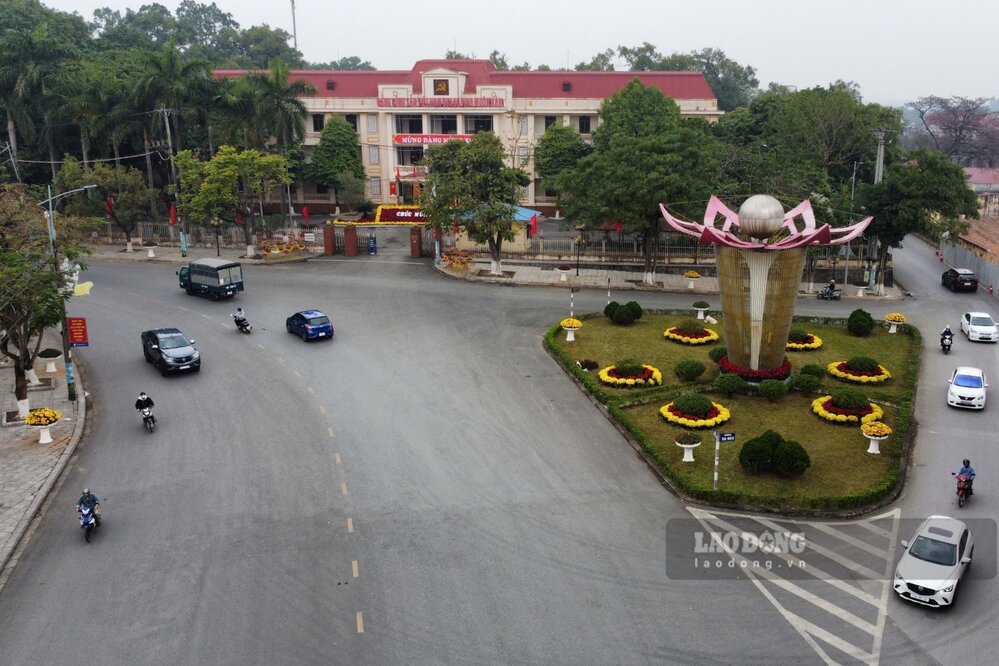
In Phu Tho province, this locality requests the People's Committees of communes and wards to develop a plan and send it to the Department of Home Affairs for summarization and development of a master plan for arranging villages and residential groups in the province.
The Department of Home Affairs develops a plan, reports to the Provincial People's Committee, submits to the Party Committee of the Provincial People's Committee for reporting, and seeks opinions from the Standing Committee of the Provincial Party Committee and the Standing Committee of the Provincial Party Committee to direct implementation; complete before June 5, 2026.
Based on the conclusion of the Provincial Party Committee Standing Committee, the Department of Home Affairs guides the People's Committees of communes and wards to develop projects and organize to collect people's opinions according to the provisions of law; complete before June 10, 2026.
Commune-level People's Committees organize to collect opinions and summarize, explain, and fully absorb people's opinions on the project; develop reports to complete dossiers to submit to the Commune-level People's Council for consideration and decision; complete before June 28, 2026.
Before June 30, 2026, the Commune People's Council will issue a resolution on arranging and renaming villages and residential groups.
The overall report on the results of implementing the arrangement of villages and residential groups should be sent to the Provincial People's Committee no later than July 1, 2026.
In Tuyen Quang, the whole province has 3,257/3,802 villages and residential groups that have not met the criteria for household size according to regulations, accounting for 85.66%.
The Provincial People's Committee shall develop an overall plan for arranging villages and residential groups to ensure feasibility and improve the quality of non-specialized personnel, and report to the Standing Committee of the Provincial Party Committee before June 10.
Commune-level People's Committees are responsible for developing projects, fully implementing procedures and procedures according to regulations and completing the arrangement of villages and residential groups before June 30.


