
This content was informed by Secretary of the Party Central Committee, Deputy Prime Minister Pham Thi Thanh Tra at a meeting with voters after the First Session of the 16th National Assembly held on May 5 in Lao Cai.
Accordingly, for non-specialized commune-level personnel, according to Conclusion 210 of the Politburo, this force will cease operations from May 31, 2026.
However, the Government has supplemented regulations in the decree on recruiting civil servants according to the Law on Cadres and Civil Servants, allowing non-specialized commune-level officials if they meet sufficient standards and conditions to be recruited directly into commune-level civil servants, without having to pass exams.
After implementing the two-level local government arrangement, the number of non-specialized commune-level officials has decreased significantly.
Previously, there were about 100,000-1,200,000 people nationwide, but a part of them were directly recruited into commune-level civil servants, and some retired under the policy.
To date, there are still nearly 60,000 people, equivalent to about half compared to before. For the remaining number, the Government orients according to 3 options:
First, where there are still staff and cadres meeting standards and conditions, direct recruitment into commune-level civil servants is implemented.
Second, in cases where the Party Committee, local government and cadres and people agree, they can be arranged to hold non-specialized positions in villages and residential groups.
Third, continue to resolve according to current policies to ensure thorough handling by May 31, 2026.
The Deputy Prime Minister requested localities to proactively implement the above plans, ensuring consistency, timeliness and suitability with reality.
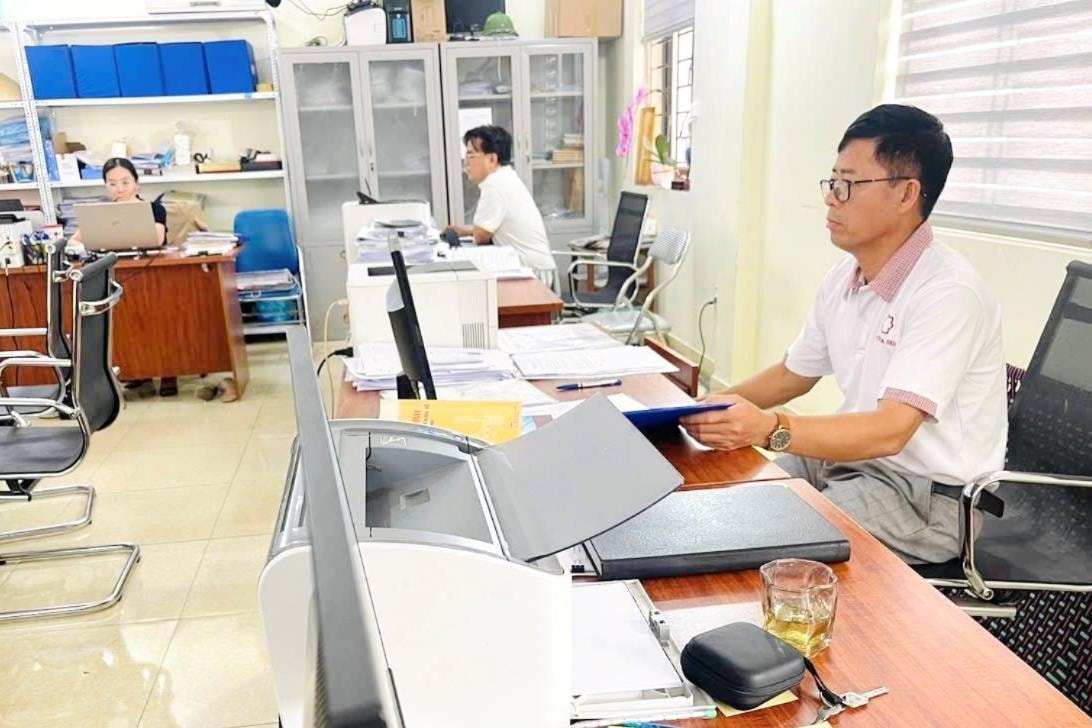
Regarding mechanisms and policies, regarding the proposal on allowances for commune-level officials, the Deputy Prime Minister said that policy development has been considered based on the strengthened functions, tasks and authority of the commune level.
Reality shows that there are still inadequacies that are not really reasonable, which need to be further researched and adjusted in the overall context, instead of adjusting immediately, because it is still related to resource balance and correlation in the policy system.
In the immediate future, the Government will focus on adjusting the base salary from July 1, 2026 for cadres, civil servants, public employees, armed forces and social security policy beneficiaries, social protection, people with meritorious services, pensioners, social pensioners, with an increase of 8%.
The Ministry of Home Affairs is assigned to study and improve the salary policy, and report to the Politburo in June, in the direction of overall reform and expansion of salary relations. On that basis, it will consider adjusting allowances, including public service allowances, especially for communes.
The Deputy Prime Minister also emphasized that salary reform is a big issue, both a resource and a driving force for development, but it must ensure general correlation and the ability to balance the state budget.
Therefore, the adjustment needs to be carried out in a cautious, step-by-step manner, in accordance with socio-economic development conditions, gradually meeting expectations in practice.


