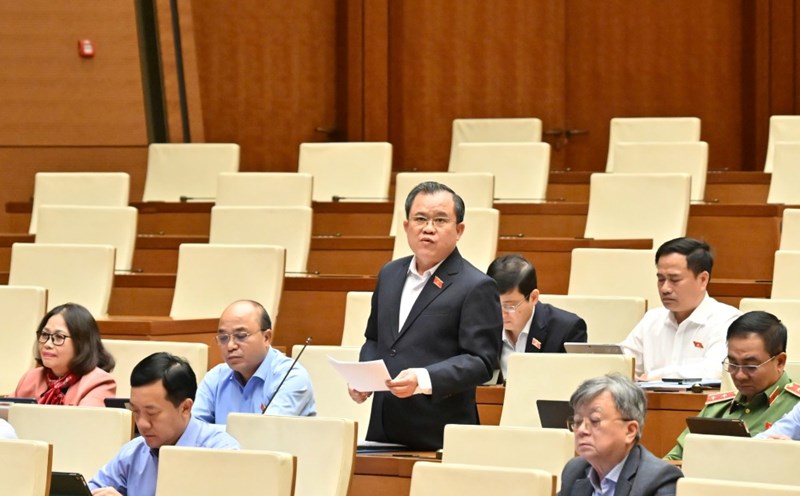
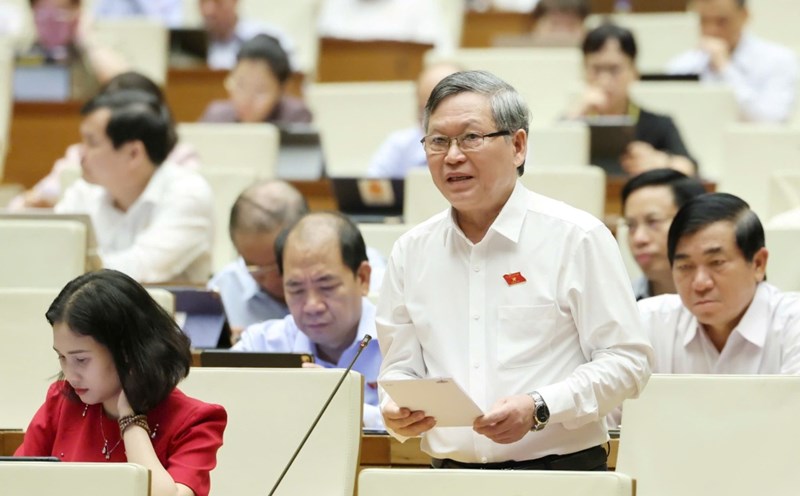
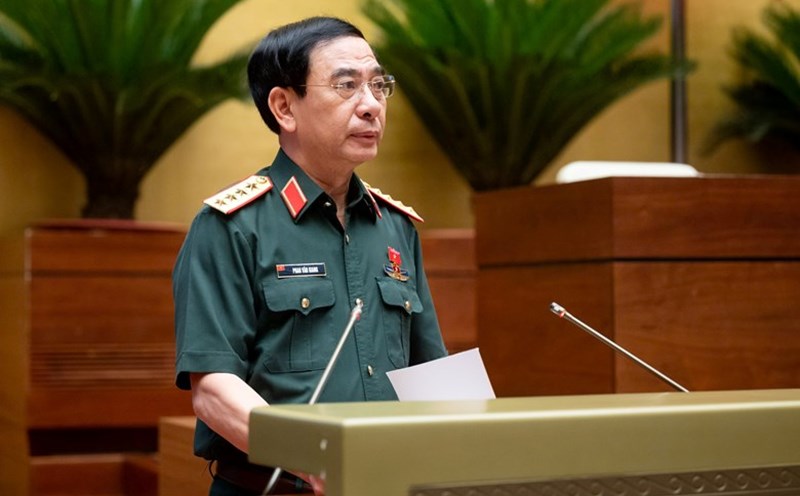
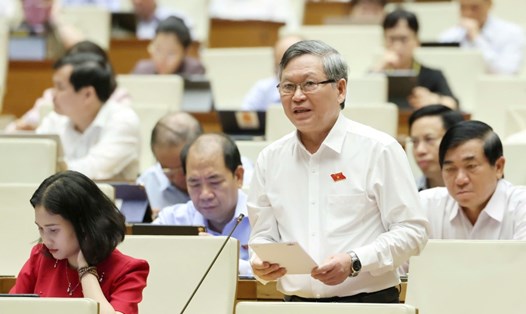
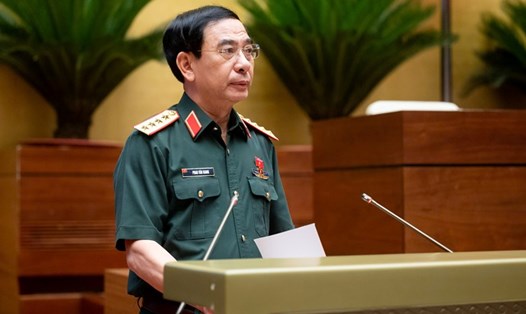
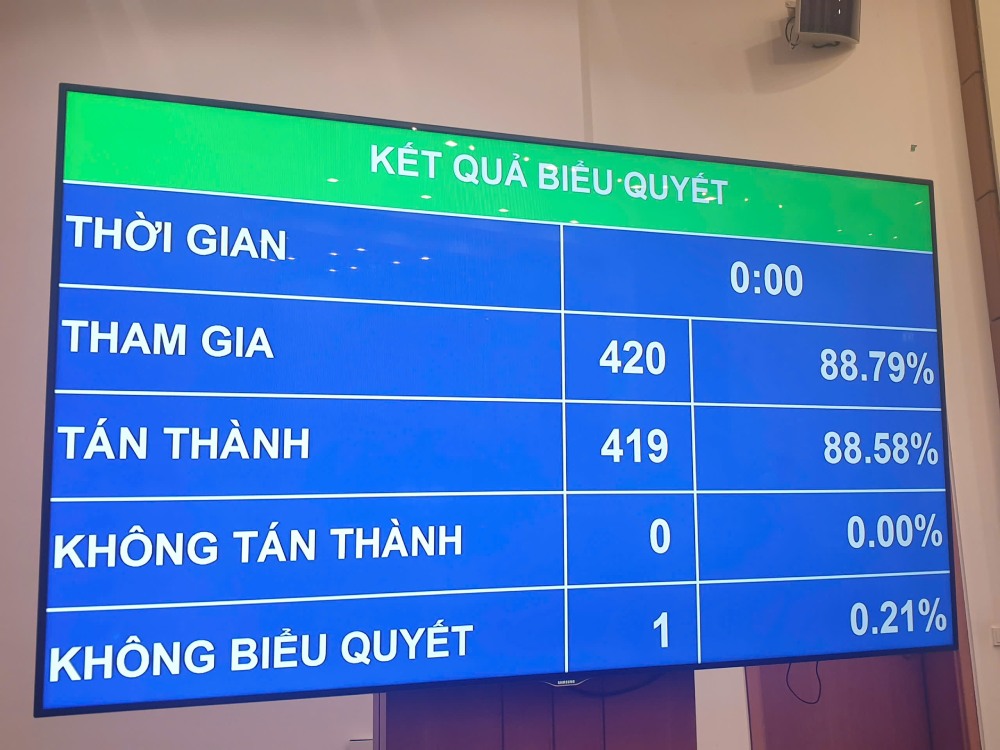
On the afternoon of December 3, with 419/420 delegates present in agreement, the National Assembly passed the Law on Emergency Situations. The law takes effect from July 1, 2026.
According to the law, a state of emergency is a social state declared by competent authorities in one or more localities or nationwide when there is a disaster or risk of a natural disaster that seriously threatens the life, health of people and property of the State, agencies, organizations and individuals, or there is a situation that seriously threatens national defense, security, social order and safety.
Regarding authority, the National Assembly Standing Committee decides to declare and abolish the state of emergency. Based on the resolution of the National Assembly Standing Committee, the President issued an order to declare and abolish the state of emergency. In case the National Assembly Standing Committee cannot hold a meeting, the President shall issue an order to declare and abolish the state of emergency.
The Prime Minister requested the National Assembly Standing Committee to decide to declare and abolish the state of emergency. If the National Assembly Standing Committee cannot hold a meeting, the Prime Minister shall propose that the President declare and abolish the state of emergency.
The emergency situation is abolished when there is no longer a risk of natural disasters or disasters that have been prevented or overcome; the national defense, security, order and social safety situation has stabilized.
Notably, the law clearly stipulates the authority to apply measures in emergency situations.
Accordingly, in cases where it is necessary, for the national interests, ethnic groups, people's lives and health, after receiving the consent of competent authorities, the Prime Minister has the right to decide to apply measures that are not prescribed by law to respond to and overcome emergency situations, or apply measures prescribed in this law without declaring or declaring a state of emergency.
The Prime Minister will report on the application of these measures to the competent authorities of the Party, the National Assembly, and the National Assembly Standing Committee in the nearest time.
The application, adjustment and termination of emergency measures must be ensured promptly, publicly and transparently. Measures to limit human rights and civil rights must be truly necessary, with clear grounds, commensurate with the nature, level of incidents and disasters and non-discrimination.
When deciding on measures to respond to and overcome the consequences of an emergency causing damage, the decision maker must not be responsible when making the decision based on information at the time of issuance of the decision with legitimate purposes, correct authority and no profit motives.
The National Assembly Standing Committee's acceptance report before the National Assembly voted to approve it, there were opinions suggesting adding regulations assigning the Government to stipulate the criteria for quantity, determination, activation threshold, and level of emergency.
The National Assembly Standing Committee believes that incidents and emergency situations are very diverse, in many fields, with different nature, level, developments, and characteristics. Therefore, it is not feasible to convert the unit to determine the exact threshold when it will shift from an emergency to an emergency.
In fact, there are incidents and disasters when there is a risk of occurring or occurring that have had to declare a state of emergency without going through civil defense levels (ational waves, radiation incidents, nuclear...).
Therefore, the National Assembly Standing Committee proposes that the National Assembly not add the above content to the law.