
Green consumption from trend to market requirements
According to statistics from Ho Chi Minh City Dermatology Hospital, allergic contact dermatitis is the 3rd disease out of more than 80,000 patients coming for examination in 2024. Notably, the rate of patients with complications from poor quality cosmetic products and non-transparent ingredient lists is showing signs of increasing rapidly.
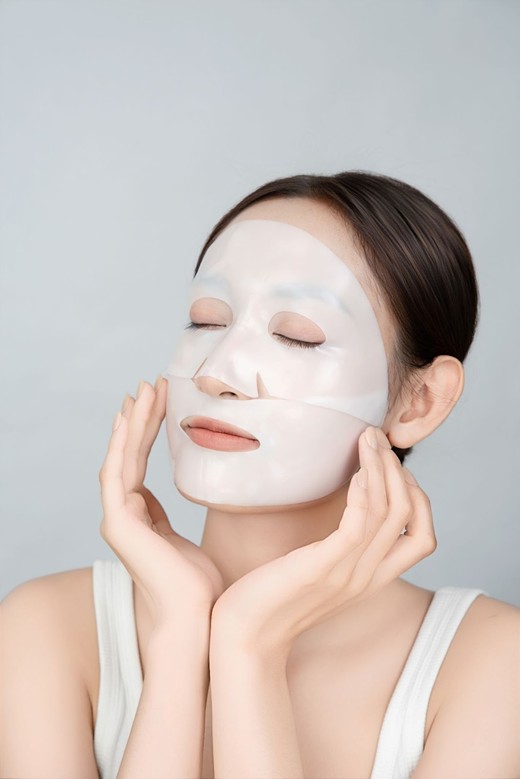
This situation forces consumers to change, instead of seeing cosmetics as a short-term solution, it should be considered an important part of the long-term skin health care cycle.
The concept of "Green" in cosmetics is redefined not only at environmentally friendly packaging, but is associated with the transparency of ingredients, standardization of production processes and the ability to use them safely for a long time.
Green - Governance strategy in the cosmetics industry
Investing in safety and sustainability is gradually becoming an effective risk management strategy for cosmetics businesses. This approach helps businesses reduce consumer complaints, limit the risk of product recalls and avoid media crises that directly impact brand health.
The core difference lies in the integration of sustainability criteria from the product development stage and the construction of the operating system.
Identifying brands through green packaging
Many businesses have gradually reduced the use of hard-to-decompose plastic materials, switching to more environmentally friendly materials that are easy to recycle or decompose quickly such as glass packaging, biological materials, etc. Light and compact packaging helps reduce " conversion weight", optimize storage space and reduce product transportation costs.

Information transparency creates advantages
Current consumers tend to strictly assess the ingredient list, implementational functions and long-term safety.
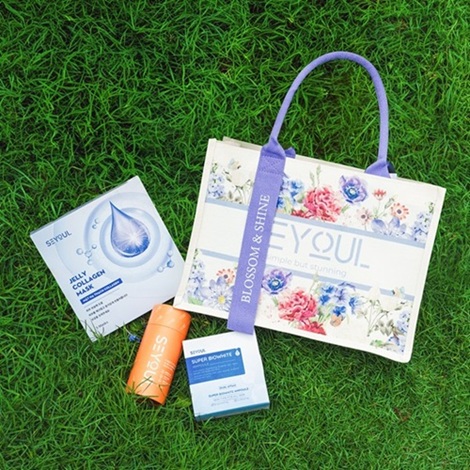
Grasping this psychology, some cosmetic brands, such as Seyoul, have implemented a " lying reality" strategy through the disclosure of details of key ingredients and instructions on home care routes. Instead of focusing on short-term commitments, this transparent approach helps businesses build trust based on actual use value, minimizing risks from customers' false expectations.
As the "green" factor gradually becomes the operating standard instead of the difference, adjusting strategies in the long term is being considered by many businesses as a necessary preparation step.
Seyoul's case shows that this approach is not only aimed at meeting new consumer trends, but also aims to improve vulnerability to unpredictable fluctuations in the global economic environment.


