
The gold market is undergoing a correction phase after a strong rally, but this is seen as a pause in a long-term upward cycle instead of a sign of ending the upward trend.
Anthony Kim, Head of Global Metal Trading at Goldman Sachs, said that gold prices still have room to set new highs in the medium term. According to him, the fact that the precious metal has not maintained a strong upward momentum in recent months does not reflect the weakening of the market, but is just a period of accumulation.
This is not the end of the rising market, but a prolonged pause," Mr. Kim said.
According to Goldman Sachs' analysis, one of the reasons for the stagnation of gold prices is that the market is re-evaluating the monetary policy of the US Federal Reserve (Fed), especially after changes in the operating apparatus and new signals about interest rate orientation.
In addition, geopolitical fluctuations, including tensions in the Middle East, also affect cash flow in the precious metals market. Part of the capital previously often allocated to gold has been disrupted due to fluctuations in the energy and financial markets.
However, the important cash flow still maintained is the gold buying activity of central banks. This is considered a factor supporting the foundation for gold prices in the long term.
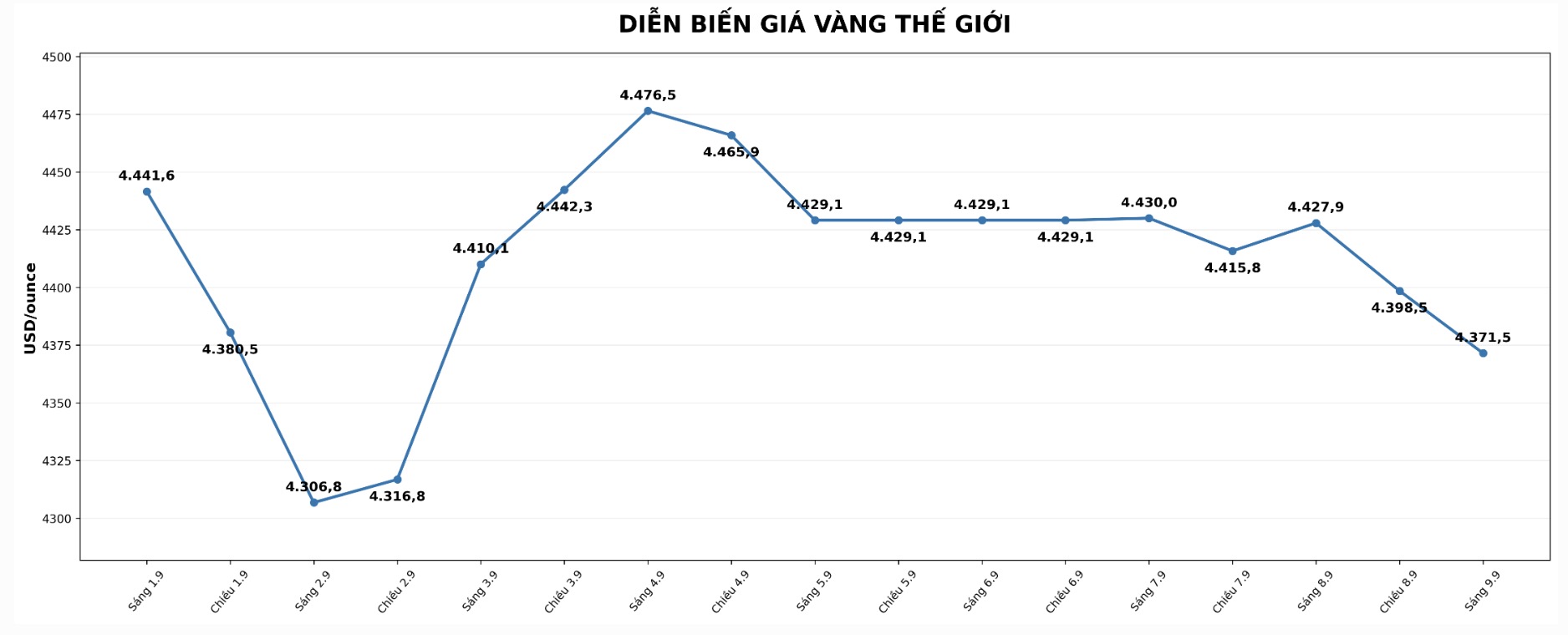
Mr. Kim said that the price around 4,000 USD/ounce is an area of interest for many institutions and large investors. According to Goldman Sachs' assessment, buying power is emerging from central banks as well as institutional investors in this area.
Investors may consider increasing buy positions as prices approach the $4,000/ounce zone," Mr. Kim said.
Not only Goldman Sachs, but analysts at this bank also made positive forecasts for gold. Accordingly, the price of the precious metal may increase to 4,900 USD/ounce by the end of 2026 thanks to the demand for diversifying foreign exchange reserves of central banks.
Goldman Sachs analysis data shows that central banks may maintain an average gold buying rate of about 50 tons per month in 2026, significantly higher than the period before 2022.
In the context that many countries want to reduce dependence on the USD and increase defense capabilities against geopolitical risks, gold continues to be seen as an important safe haven asset.
In addition to the central bank's buying factor, expectations about US interest rate policy are also strongly impacting gold prices. As the market reduces expectations that the Fed will continue to raise interest rates, pressure on precious metals tends to decrease.
Goldman Sachs experts also noted that the increasing demand for using derivative instruments to hedge risks may cause gold prices to fluctuate more strongly. When gold prices rise to important levels, the status buy-back activity of financial institutions may create more momentum for the upward momentum.
Conversely, if the market reverses, adjusting defensive positions may also cause gold prices to fluctuate faster.
However, the long-term outlook for gold is still positively assessed thanks to supporting factors such as central bank buying demand, fiscal risks in many major economies and investors' trend to seek safe assets.
Update on domestic gold prices
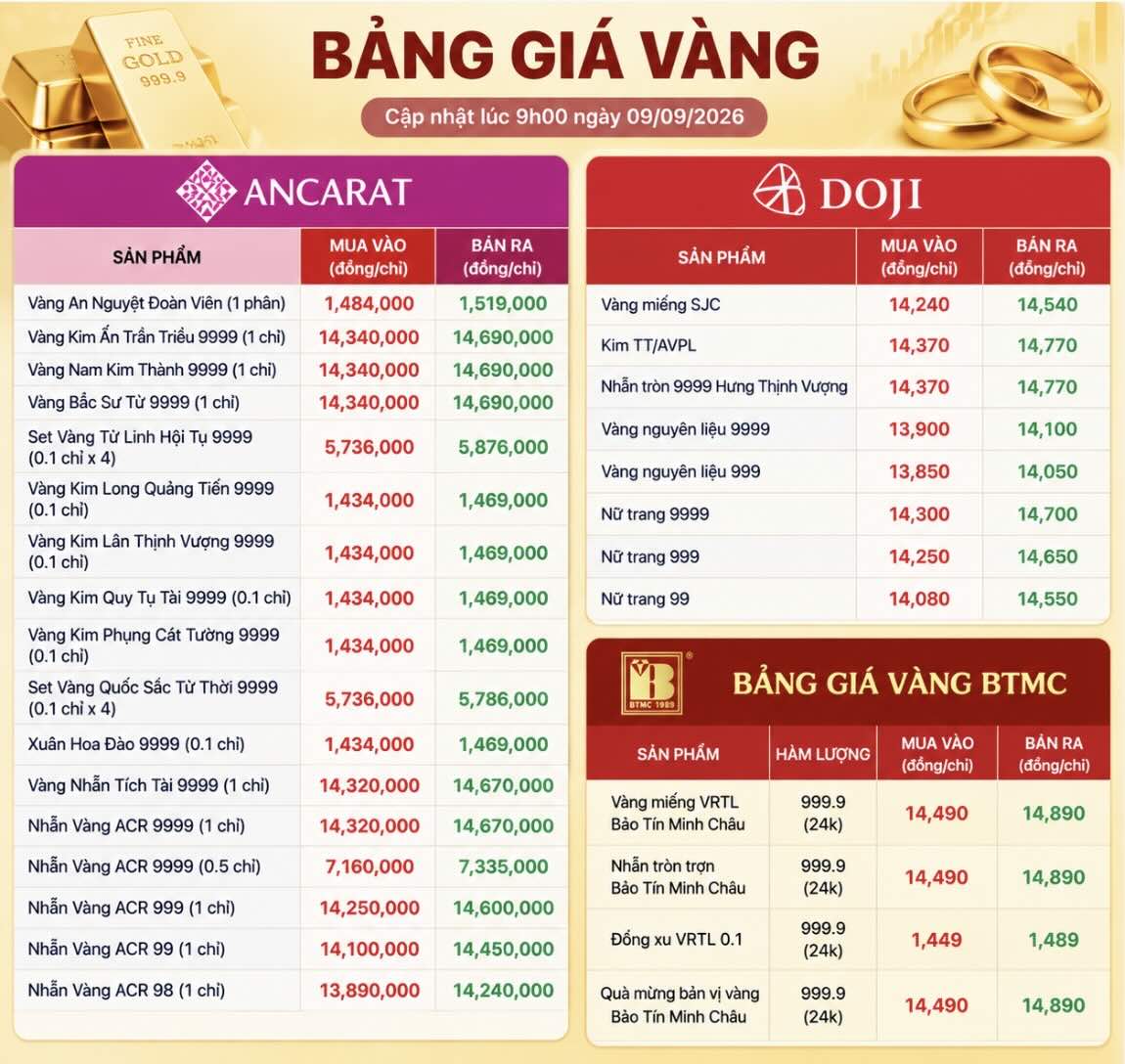
The article only updates the developments of the gold market and factors affecting the price of precious metals, not investment recommendations.


