Truyền thông phương Tây đưa tin Nga đang đối mặt với tình trạng vỡ nợ nước ngoài lần đầu tiên kể từ năm 1918. Nga buộc phải trả nợ nước ngoài bằng đồng rúp sau khi Mỹ chặn thanh toán bằng đồng USD.
Phản ứng của Nga trước các tuyên bố vỡ nợ
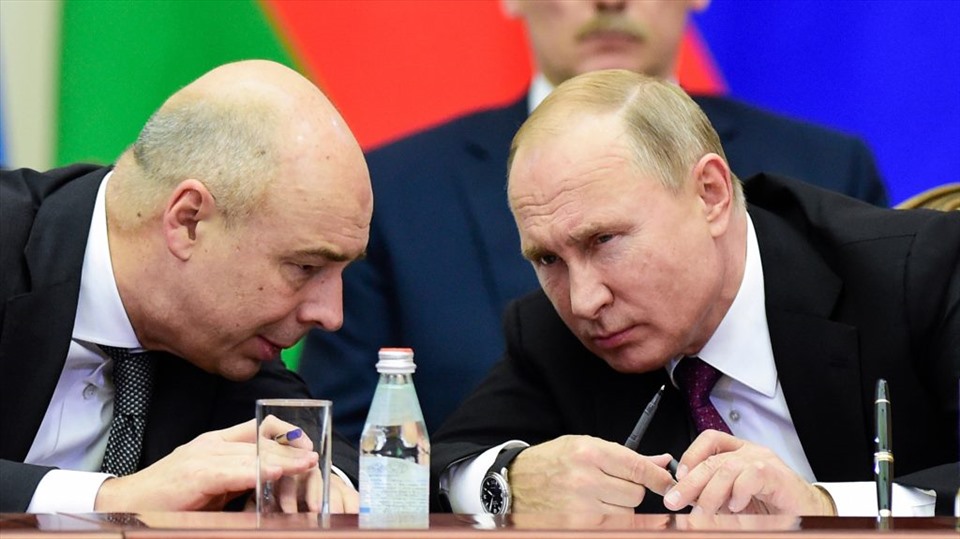
Mátxcơva bác bỏ thông tin Nga vỡ nợ và cáo buộc Washington cố gắng tạo ra một vụ vỡ nợ nhân tạo, giải thích rằng nước này sẵn sàng và có khả năng trả nợ nước ngoài. RT dẫn lời Bộ trưởng Tài chính Anton Siluanov nhấn mạnh, việc chuyển đổi sang thanh toán bằng đồng rúp không có nghĩa là vỡ nợ.
Nga có kế hoạch trả nợ nước ngoài thế nào?
Theo cơ chế thanh toán mới vừa được Tổng thống Vladimir Putin công bố và ký thành luật, Nga coi các nghĩa vụ của mình đã hoàn thành “nếu chúng được thực hiện bằng đồng rúp với số tiền tương đương với giá trị nợ bằng ngoại tệ” theo tỷ giá hối đoái trên ngày các khoản tiền được chuyển đến cơ quan lưu ký trung tâm (NSD), qua đó chúng sẽ được thanh toán cho các chủ nợ.
Tại sao Nga thanh toán trái phiếu bằng đồng rúp?
Vào tháng 5, Mỹ ngừng gia hạn miễn trừ cho Nga thanh toán lãi trái phiếu bằng đồng USD. Bộ Tài chính Nga sau đó cho biết, để bảo vệ danh tiếng là một bên đi vay đáng tin cậy, Nga sẽ trả lãi trái phiếu euro bằng đồng tiền quốc gia - đồng rúp - nếu nước này không thể thanh toán bằng ngoại tệ.
Vỡ nợ có ý nghĩa đối với một quốc gia?
Các quốc gia vỡ nợ không thể vay tiền với lãi suất thấp thông qua các tổ chức tài chính quốc tế vì bị coi là rủi ro.
Điều đó tác động đến Nga như thế nào?
Không có lý do gì để Nga phát hành trái phiếu. Nước này có mức nợ thấp, khoảng 16% GDP, vì theo truyền thống, Nga không phụ thuộc nhiều vào vay nợ. Trong khi đó, hầu hết các nước phương Tây đều có số nợ gần bằng hoặc hơn 100% GDP.
Một vụ vỡ nợ gây ra bao nhiêu thiệt hại cho nền kinh tế đất nước?
Với hệ thống tài chính phương Tây, điều đó không thành vấn đề. Các lệnh trừng phạt khiến Nga không thể giao dịch như trước đây. Hầu hết các công ty phương Tây đã rút tiền ra và việc vay tiền từ các tổ chức tài chính phương Tây là không thể. Điều này khiến việc xếp hạng tín nhiệm của Nga ở phương Tây trở nên vô nghĩa.
Vỡ nợ tác động thế nào đến các đối tác thương mại còn lại của Nga?
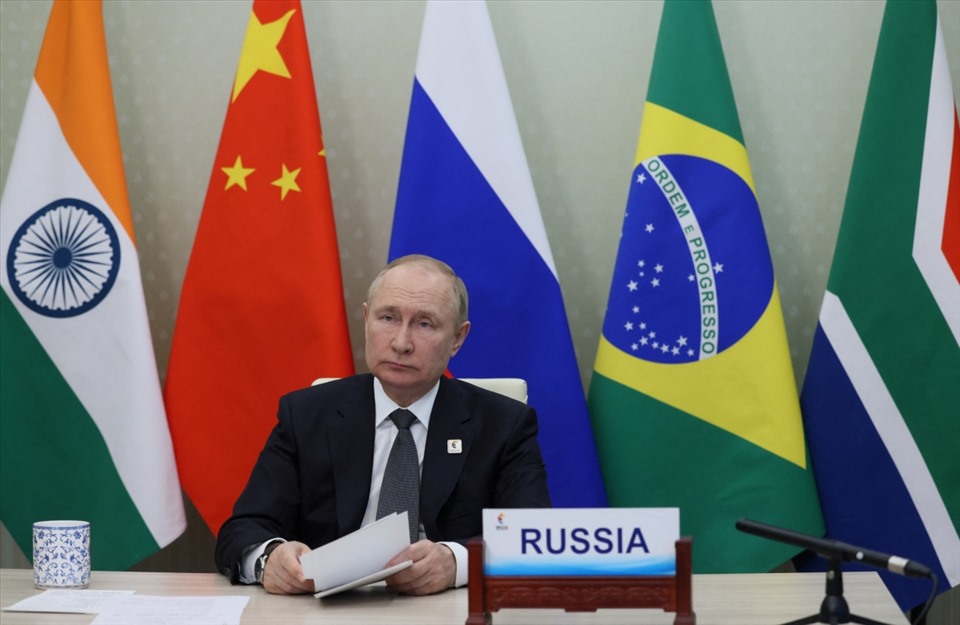
Đối với Trung Quốc, Ấn Độ và các đối tác lớn khác, điều này không có ảnh hưởng tiêu cực. Thương mại của Nga với các đối tác BRICS đã tăng gần 40% trong quý đầu tiên của năm 2022 từ mức 164 tỉ USD đạt được vào năm ngoái. Các đối tác thương mại của Nga đã mong muốn thay thế các doanh nghiệp phương Tây ở Nga.
Mátxcơva có những lựa chọn thay thế nào cho việc vay mượn ở các thể chế phương Tây?
Các tổ chức tài chính, chẳng hạn như Ngân hàng Phát triển Mới BRICS (NDB) - được thành lập bởi các quốc gia thành viên Brazil, Nga, Ấn Độ, Trung Quốc và Nam Phi, với mục đích tài trợ cho cơ sở hạ tầng và các dự án phát triển ở các quốc gia mới nổi - có thể là một lựa chọn tốt cho Nga.
Hậu quả tiềm ẩn là gì?
Phương Tây phủ nhận rằng một vụ vỡ nợ có thể xảy ra của Nga có thể có tác động đến các thị trường và tổ chức tài chính toàn cầu như trong vụ vỡ nợ trong nước năm 1998 ở Nga. Vào thời điểm đó, việc Nga vỡ nợ trái phiếu bằng đồng rúp đã thúc đẩy chính phủ Mỹ can thiệp và bảo lãnh để cứu một quỹ đầu cơ lớn của Mỹ khỏi sụp đổ. Quỹ đầu cơ này nếu sụp đổ có thể làm lung lay hệ thống tài chính rộng lớn hơn.
Tuy nhiên, các nhà phân tích đầu tư thừa nhận rằng những người nắm giữ trái phiếu Nga có thể bị thiệt hại nghiêm trọng do các hành động của phương Tây và đệ đơn kiện chính phủ Mỹ vì đã ngăn cản Mátxcơva thanh toán bằng đồng USD.
Mátxcơva chỉ ra rằng những nỗ lực đẩy Nga vào tình trạng vỡ nợ chỉ làm suy giảm uy tín của hệ thống tài chính phương Tây.