
Set up historical film, war thanks to AI
The development of AI is affecting almost the entire film production chain. From idea building, script development, setting design, visual effects creation, film editing, dubbing, film restoration to dissemination and release of works, all can be supported by technology.
In the world, many film studios have applied AI to shorten production time, optimize costs and improve image quality. This technology also helps restore old films, upgrade resolution, process sound, support translation and dubbing to expand access to international audiences.
For Vietnamese cinema, AI is expected to contribute to solving the financial problem, especially in stages that require a lot of manpower and technique. Technology also opens up opportunities to improve the quality of visual effects and images, gradually meeting the increasing demands of the market.
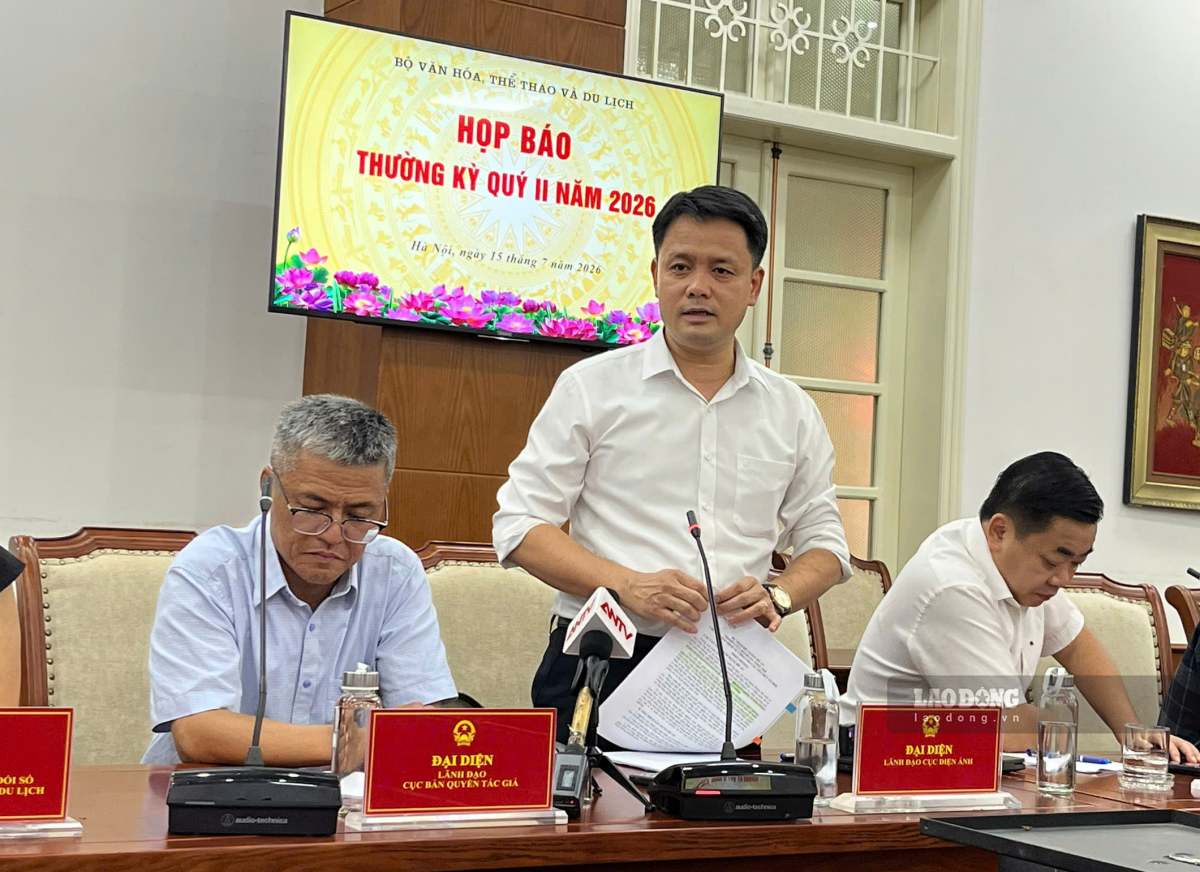
Sharing about the impact of AI on the film industry, Mr. Dang Tran Cuong - Director of the Cinema Department - said: "With the development of science and technology, especially artificial intelligence today, it can be said that AI has participated in almost all stages in the film production process, from supporting stages to creative stages, script building, production as well as dissemination and distribution".
According to Mr. Cuong, AI both brings opportunities and poses many challenges for the film industry. However, the clearest benefit in the coming time is the ability to support the production of films on revolutionary, historical and war topics.
Previously, many producers were still hesitant to make films of this genre because if mobilizing a large number of actors, scenes and means, the cost would be very high. Recreating scenes, equipment, and equipment of historical periods also requires very large resources.
According to the Director of the Cinema Department, AI is contributing to removing those difficulties.
Currently, with the application of artificial intelligence, many stages have been supported more effectively. I believe that with the development of science and technology in the coming time, cinema will open up a new direction, especially in film production, creating scenes and images that we could not or are very difficult to implement before," Mr. Cuong said.
Humans must master AI
Besides the opportunities, the application of AI also poses requirements for development orientation, human resources and management mechanisms to effectively exploit technology, while protecting creative rights in the film industry.
According to Mr. Dang Tran Cuong, no matter how developed technology is, people still have to play a decisive role.
Science and technology must be mastered by humans no matter how far they develop," Mr. Cuong emphasized.
The Director of the Department of Cinema said that in the initial stage, it is necessary to clearly identify what jobs AI can support in each field of the film industry. As technology continues to develop, it is necessary to clearly identify what humans do and what AI needs to do in the production process.
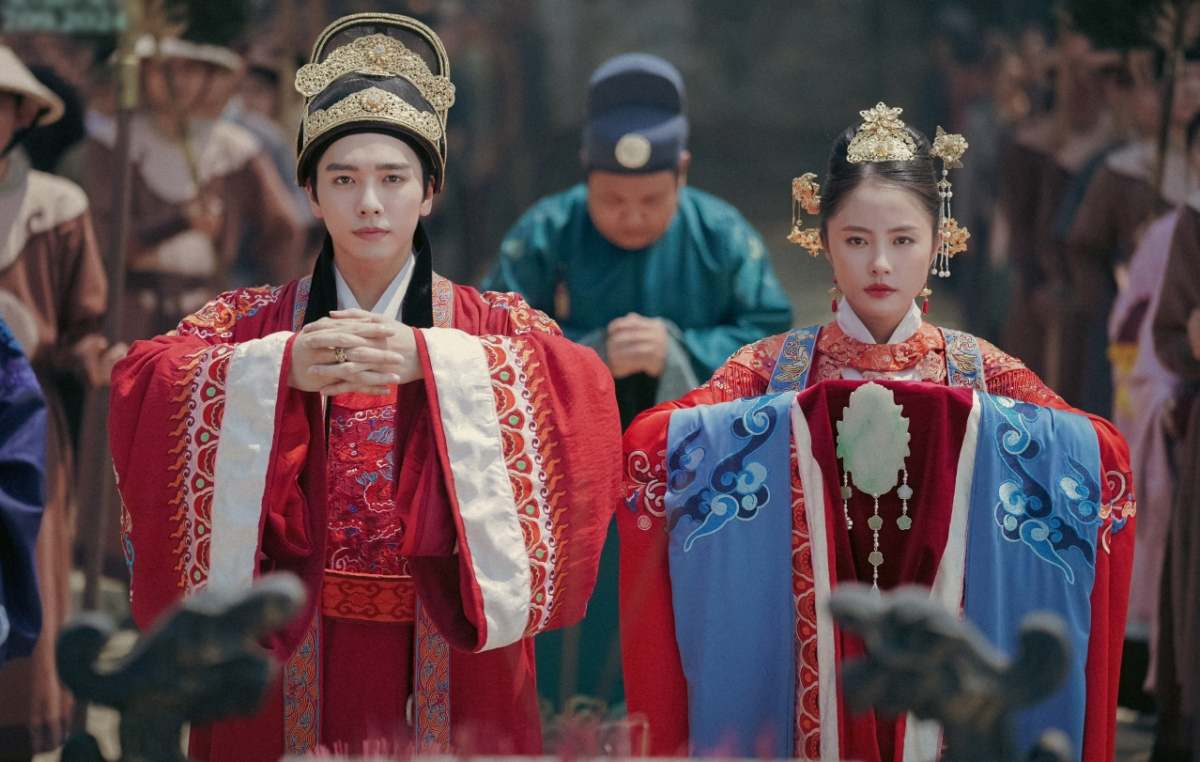
The important thing is to have orientations to apply AI effectively, both in state management and in production activities. Along with that, all production sectors will also have standards, technical barriers and especially appropriate legal corridors to manage AI application, protect human creativity rights as well as protect the values that AI creates," Mr. Cuong said.
In the context of Vietnam promoting the development of cultural industries, AI is expected to become an important support tool to improve production capacity, quality of works and competitiveness of Vietnamese cinema.
However, to effectively exploit the potential of this technology, Mr. Cuong believes that the film industry needs to go hand in hand between investing in technology, training human resources and perfecting management mechanisms, ensuring that AI becomes a tool to support creativity, with humans still playing a central role.


