
According to Maoyan, as of May 16, the movie "Love Letter to Grandma" has reached a revenue milestone of 400 million CNY (about 1,500 billion VND) in the Chinese box office. The work reached 10 million viewers in just 17 days of release. For the first time, the movie's revenue exceeded 100 million CNY per day.
Even more surprisingly, Maoyan has raised the final revenue forecast of the film to 1.065 billion CNY. Famous producer Dam Phi commented: "At the current pace, the final revenue may approach the 2 billion CNY mark".
Previously, on the opening day (April 30), "Love Letter to Grandma" only had a screening rate of 1.6%, with revenue of just over 6.7 million CNY. To date, the work has come back to become a box office "dark horse", the screening rate has gradually increased to over 34%, and finally accounted for more than 71% of the box office revenue in a day.
On Douban, the film was rated 9.1/10 points with more than 350,000 reviews, the number of 5-star ratings accounted for 62%.
Not to mention, "Love Letter to Grandma" has a budget of only 14 million CNY and is produced according to the "3 no" criteria - no stars, no special effects, no large-scale promotion.
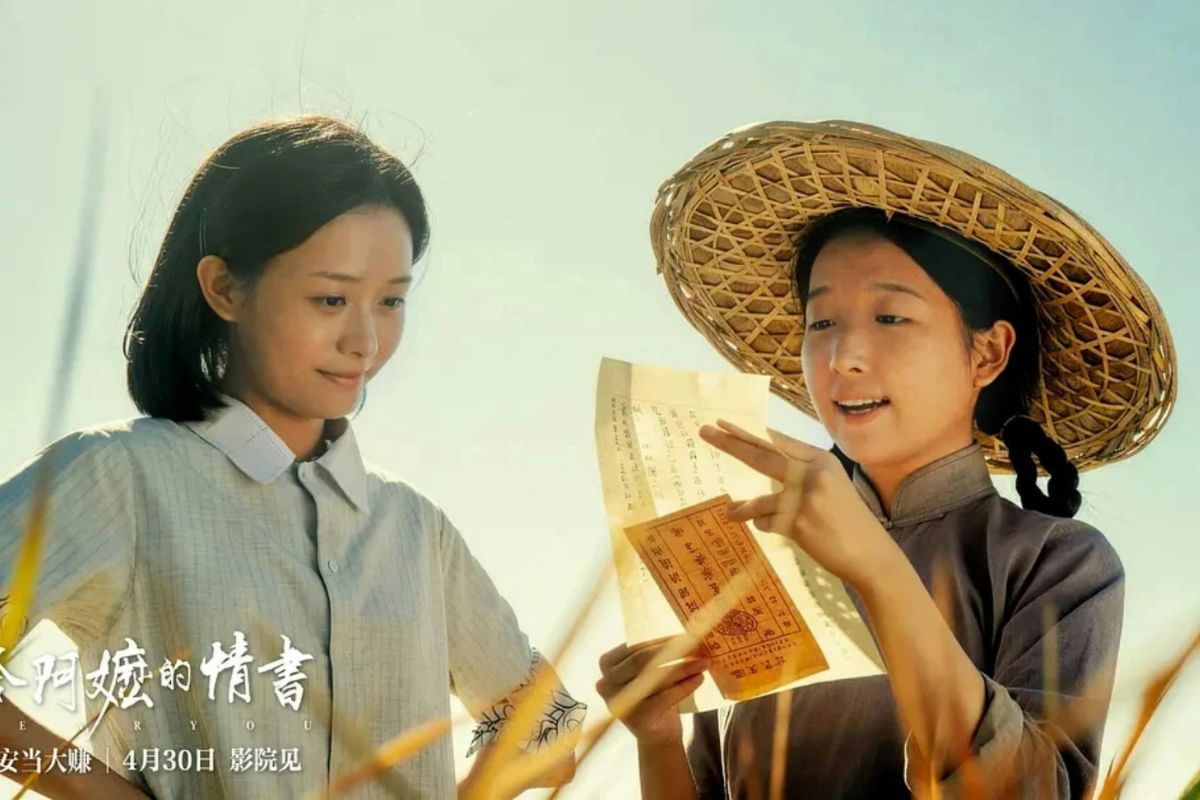
Set in the Hoa Kieu Trieu Son countryside, the film tells the story of a nephew who goes to Thailand to find relatives, thereby revealing a lie full of good intentions that lasts for many years, crossing mountains, rivers, and seas.
Without dramatic conflicts, nor intentionally bringing tears to the audience, the film only gently portrays the kindness, integrity, and longing of the Chinese people through daily meals, letters, or a few simple reminders.
Love Letter to Grandma" is the 3rd work in the "Trieu Son film trilogy" by director and screenwriter Lam Hong Xuan, after "Dad, I'll definitely do it" and "Take you to see my mother".
In an interview with Shenzhen TV, Lam Hong Xuan admitted that when making this film, he had a mentality of "smash the pot and sink the boat".
He said: "It's like a all-in gamble. After finishing, I don't know if we will achieve good market results or not. But we still have to do it, because this is the most important goal of our team in the last 3 years.
Lam Hong Xuan believes that dialect is part of traditional Chinese culture, "as long as the storytelling is good enough, the opposite dialect will become a plus point for the film".
He wants to use cinema to preserve the dialect, not only Trieu Son language but also to help dialects throughout China become increasingly valued.
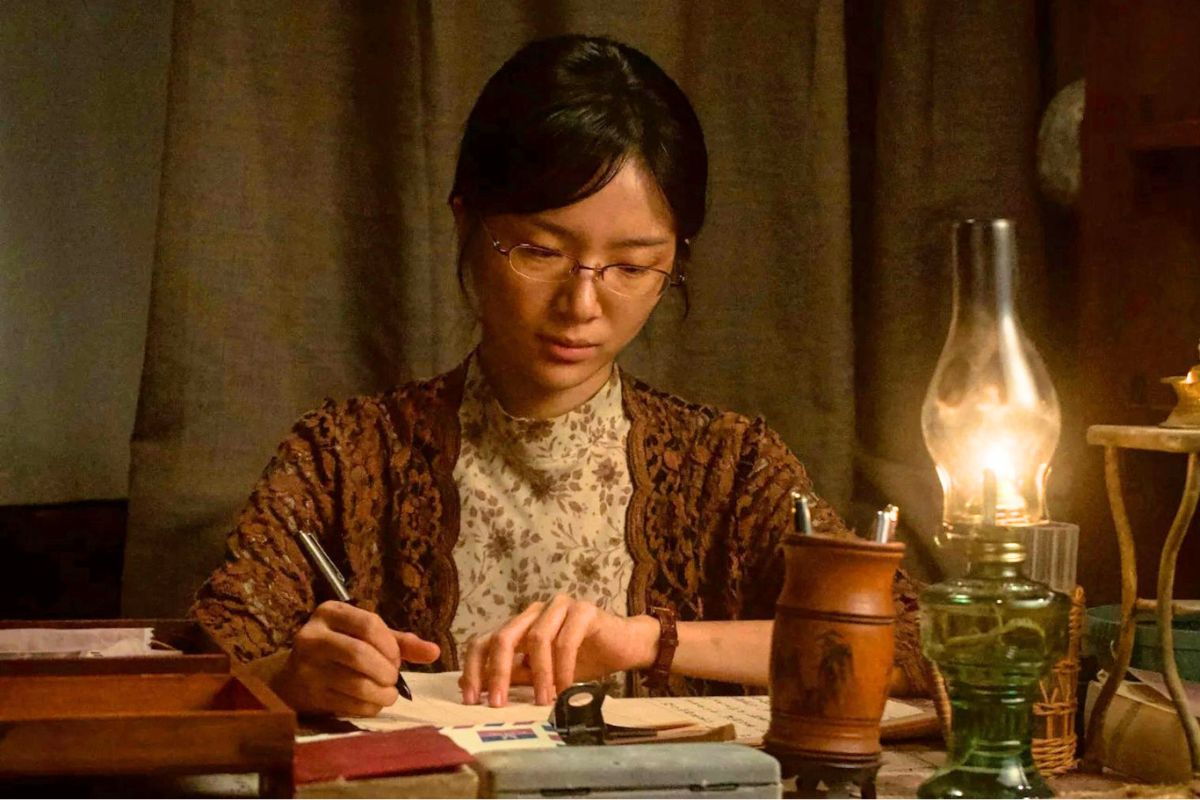
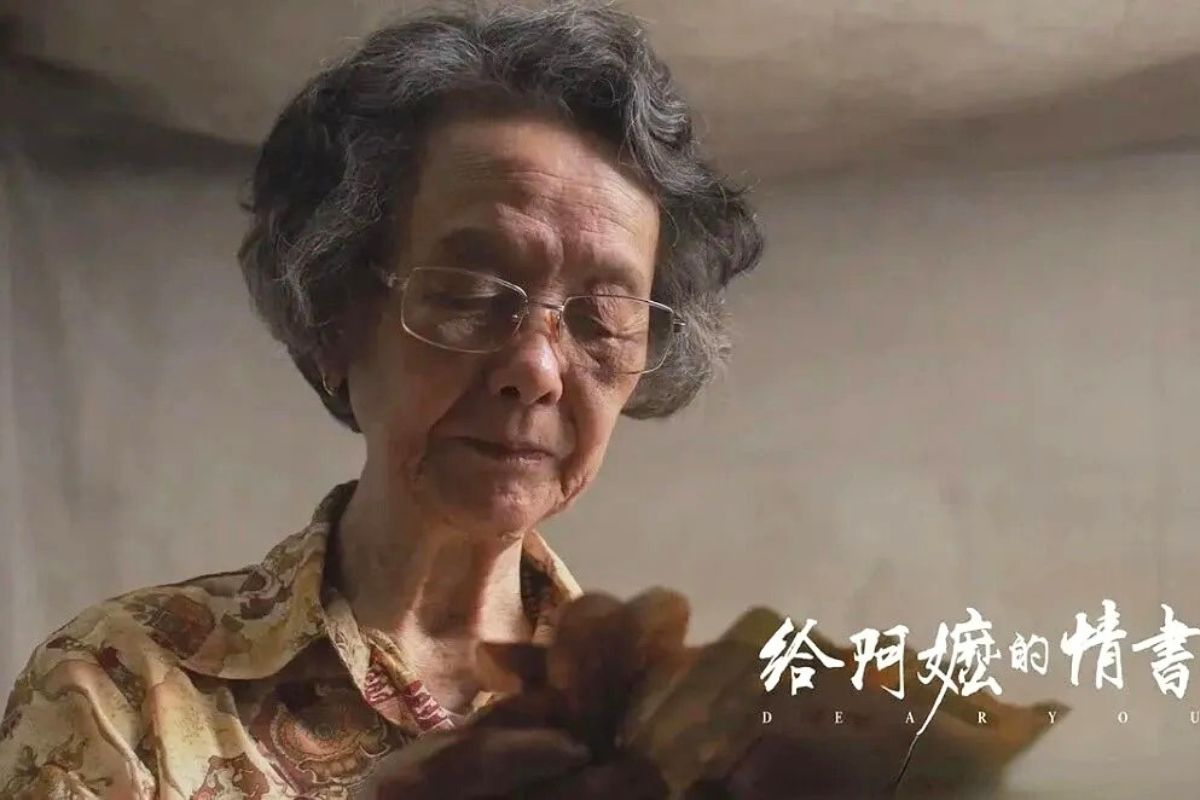
What surprised the audience was also the cast of the film, they were mostly amateur actors, appearing on screen for the first time.
The main actress Ly Tu Dong - playing Ta Nam Chi - is a final year student majoring in Banking and Finance at Guangdong University of Finance and Economics (China), without acting experience. She was chosen by the director after watching daily videos on Douyin.
Ms. Ngo Thieu Khanh - who plays Diep Thuc Nhu in her old age - is only a famous character online with videos appearing with her grandchild, acting in movies for the first time. And Vuong Hieu Hue - who plays Diep Thuc Nhu in her youth - is a teacher at a training center.
Other actors are also local online celebrities, car shop owners, or members of the Trieu Son Business Association...
After its release, the film created deep sympathy with audiences everywhere. Many viewers voluntarily became "movie promotional vehicles" on social networks.
Many artists such as Gia Linh, Vuong Truyen Quan, Doan Chinh, A Van Ca, Ha Chi Quang, and Han Han showed their support by "giving lucky money to watch movies" to the audience.
Actor Ly Hien confessed: "I cried a lot in the cinema" and showed off his red eyes after watching the movie.


