
On the evening of August 27, the art program "Gratitude for Birth 2026" took place at the Vietnam-Soviet Friendship Labor Culture Palace, Hanoi.
Gratitude for Birth" is an annual activity with profound humanity, held on the occasion of Vu Lan. This is one of the major holidays of Buddhism and also a long-standing cultural feature of the Vietnamese nation, an opportunity for every Vietnamese person to think about filial piety.
In particular, in 2026, the program takes place in the context of the whole country towards the 80th anniversary of War Invalids and Martyrs' Day (July 27, 1947 - July 27, 2027) and "Operation 500 days and nights to promote the search, repatriation and identification of martyrs' remains" being implemented by all levels, sectors, units, and localities.
Gratitude for Birth 2026" does not only stop at the scope of "filial piety" in the family but also expresses the gratitude and sense of responsibility of each individual towards the community, homeland, and country; it is an opportunity to express gratitude and remember generations of fathers and brothers who fell for the independence and freedom of the nation, and to express gratitude to Vietnamese Heroic Mothers.
In the second chapter titled "Pain in peace", the program broadcasts the report "Those who are still waiting", telling a touching story about relatives of martyrs.
Many spectators in the hall could not hold back their tears when listening to the sharing of the veterans. To see that today's peace is exchanged for the blood and bones of soldiers and even the tears of parents.
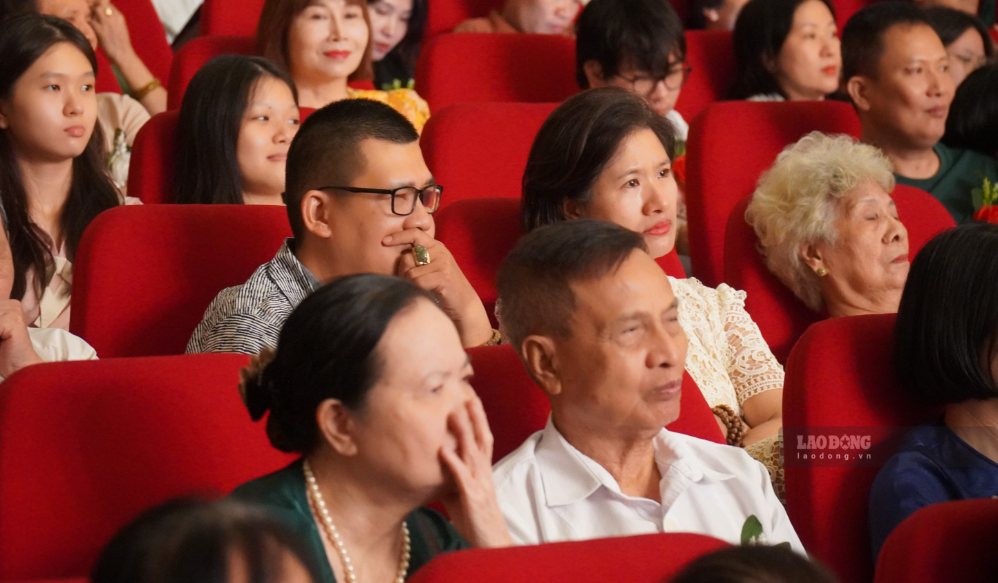
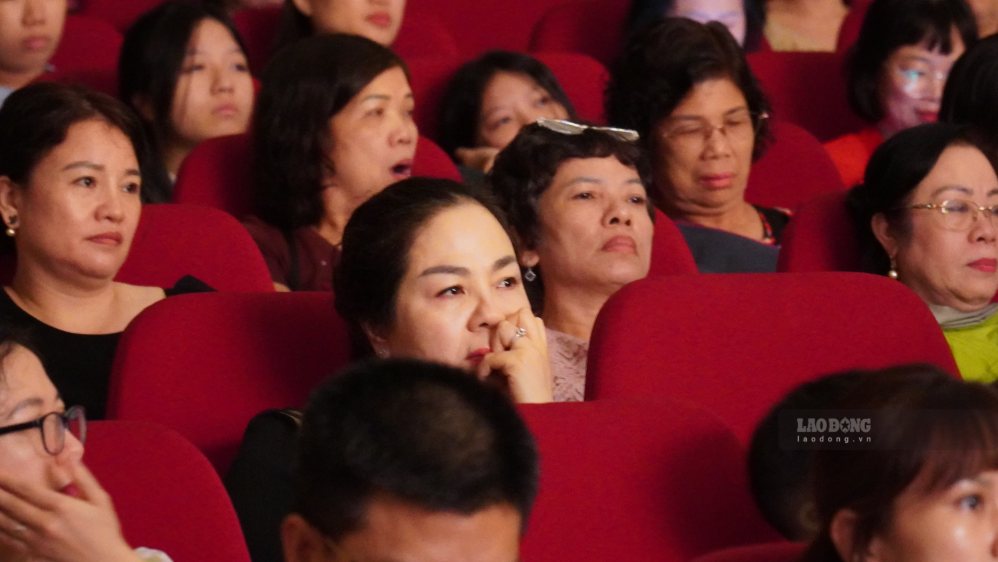
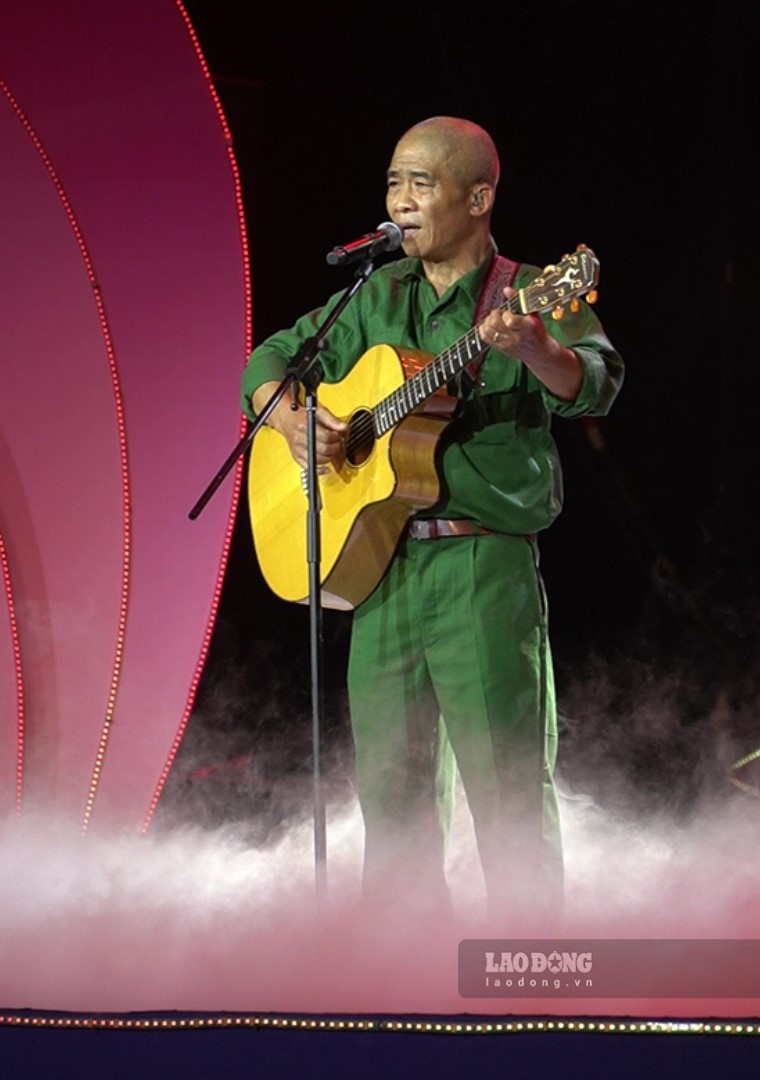
Besides, one of the moments that brought tears to the audience was the exchange between the performance of the song "Singing for the Living" and "Letter to Mother" by musician Truong Quy Hai.
Musician Truong Quy Hai is a veteran of Division 356, who fought on the Vi Xuyen front in the past. According to the musician, the song "Letter to Mother" was composed by him next to the newly buried graves of his comrades. When sitting next to his comrades' graves, the lyrics were just written by the musician as if he confided in his comrades.
The song is inspired by the musician finding a piece of paper stained with blood, which is a letter from a fallen soldier to his mother. That letter is like a catalyst that strongly evokes the memory of mothers of soldiers on the battlefield.
The song's name is of special significance because "Letter to Mother" was not named by the musician but by the wounded soldiers - comrades and teammates of the musician.
When hearing those shares, MC Nguyen Khang, Hong Nhung and many audiences below the stage could not hide their emotions.
From the stories of veterans and relatives of martyrs, audiences can feel more clearly that behind the peaceful days are separations without days of reunion, mothers and wives who have spent their whole lives waiting for news from the battlefield.
Many audiences in the auditorium were silent before those stories. There were tears wiped quickly, there were eyes directed at the stage in contemplation.
The stories in the report not only talk about the loss of war but also remind us that today's peace is exchanged for the blood and bones of soldiers and the long waits of those who remain.


