In the system of Tien Cong relics in the old Quang Yen town, in addition to Tien Cong temples and village communal houses worshiping Tien Cong gods, there is also a lineage temple system where the ancestors are Tien Cong gods worshiped by descendants in the lineage according to the ancestral worship custom.
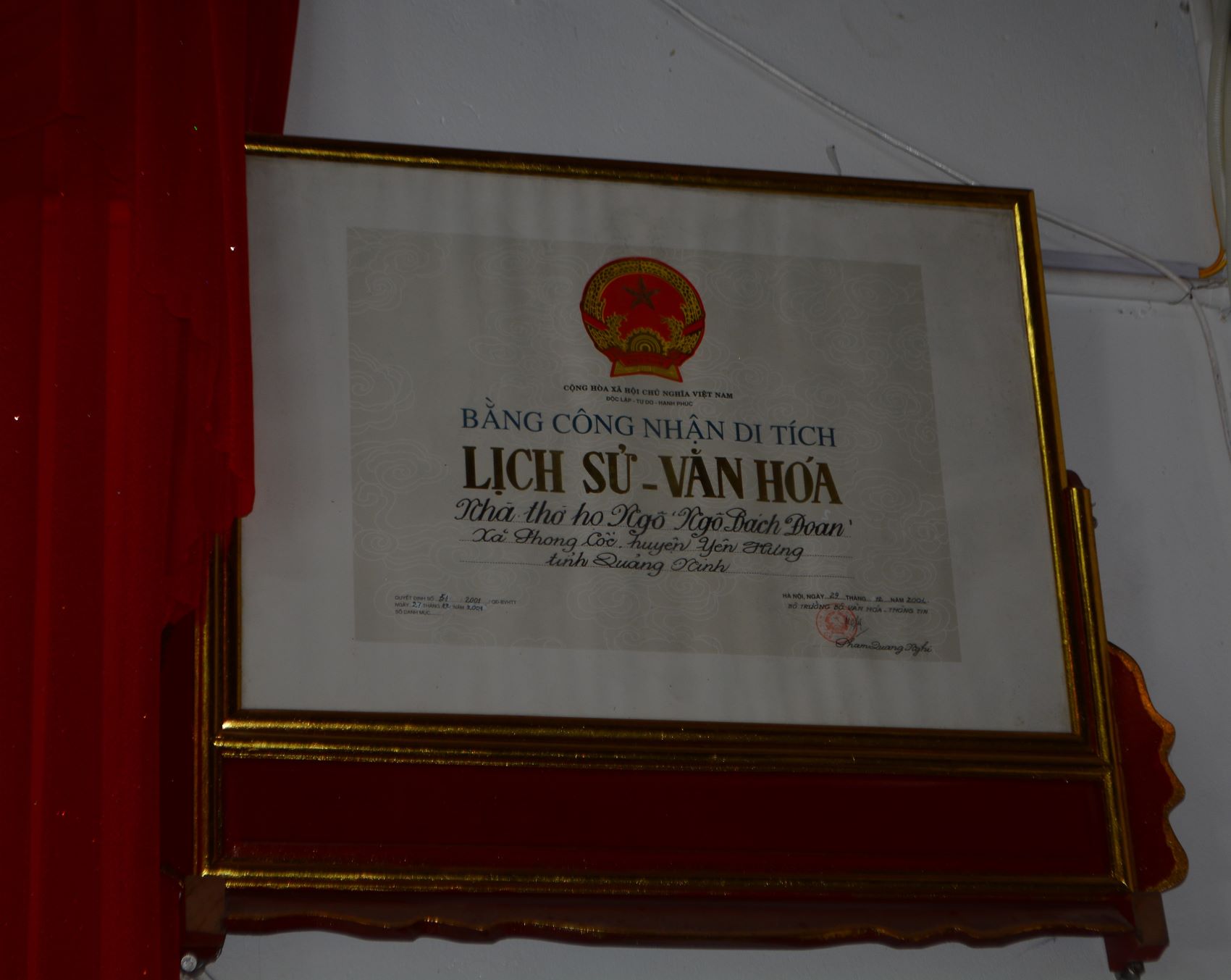
With historical and cultural values, to date, 24 clan temples of 22 clans in 2 wards Phong Coc and Lien Hoa have been ranked by the state as national historical and cultural relics. This is a very unique feature in the system of relics not only of Quang Ninh but also of the whole country in general.
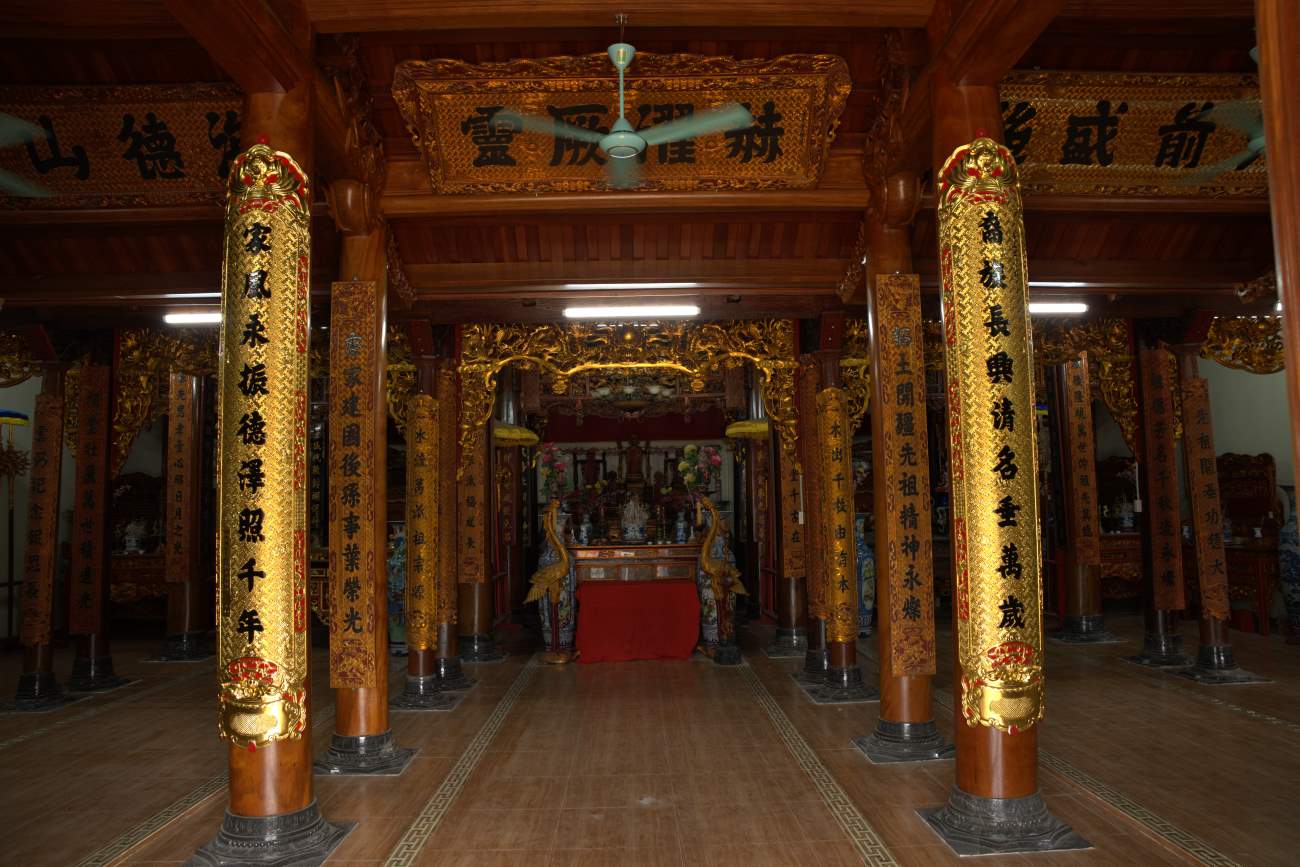
According to surveys by researchers, the ancestral temple of clans in the Ha Nam area (former Quang Yen town) was built between 1600 and 1650, earlier than village communal houses.
The ancestral temples are all considered memorial relics of famous people who opened the land of Ha Nam island, including the first 17 Tien Cong who left their homeland from Thang Long capital to come here to build embankments and encroach on the sea, establishing Ha Nam island region in 1434.
Having gone through many difficulties, the predecessors have turned the alluvial ground at the mouth of the Bach Dang River into a fertile area, fertile fields. Remembering the gratitude of the ancestors, the people built temples to worship them, honoring them as the "pioneers".
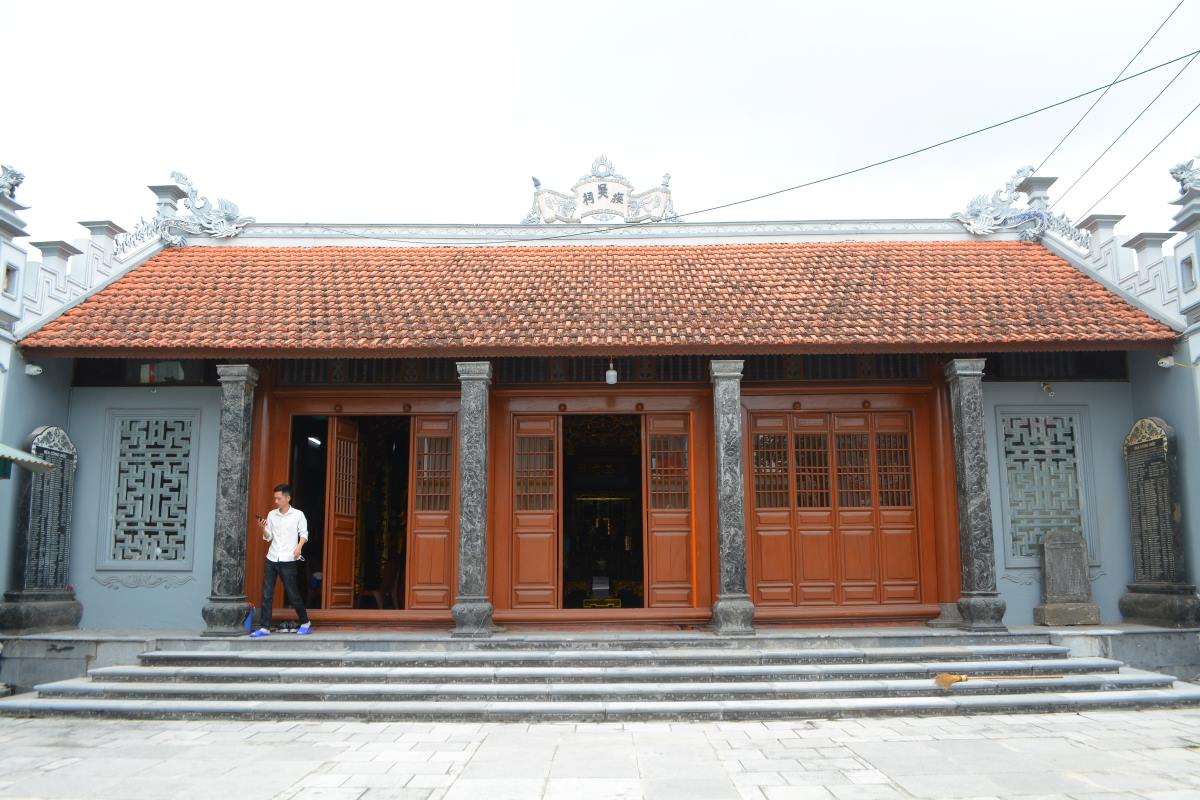
The special feature of these ancestral temples is that, although they are memorial relics of land-opening celebrities, there are no statues in the ancestral temple, only the ancestral temple of the ancestor Tien Cong, with altars worshiping the ancestors and descendants according to genealogy trees, steles and other worship items.
In these national-level relics, there are also many very valuable sculptures preserved, such as carved panels of vi keo, dau du, dau bay, cửa võng, án gian... elaborately and sharply carved to create vivid paintings of pine, chrysanthemum, bamboo, apricot, dragon, lilies, tortues, and phoenixes winding softly.
In the ancestral temple, there are also family genealogies, imperial decrees and large horizontal lacquered boards, horizontal lacquered boards, parallel sentences praising the merits of Tien Cong khai canh, khai sang, promoting the blessings of ancestors, reminding children and grandchildren to preserve family customs and promote the traditions of ancestors.
Going through hundreds of years of history with many restorations and embellishments, many works still retain the ancient architectural features with three-entrance gates, ancestral worship yards, churches in the style of the second or third letter, worship halls and sanctuaries all have 3 to 5 compartments, tiled roofs, two bishop halls, and pillar structures.
In addition to temples and village communal houses worshiping the Tien Cong gods, at the beginning of the new year, the Tien Cong Festival is held from the 5th to the 7th day of the first lunar month every year, at the Thirteen-Number Tien Cong Temple in Cam La commune, now Phong Coc ward.
This is an opportunity for people in Ha Nam island region and tourists from all directions to gather to commemorate the merits of the Tien Cong who found fresh water, giving birth to the prosperous Ha Nam island area today.
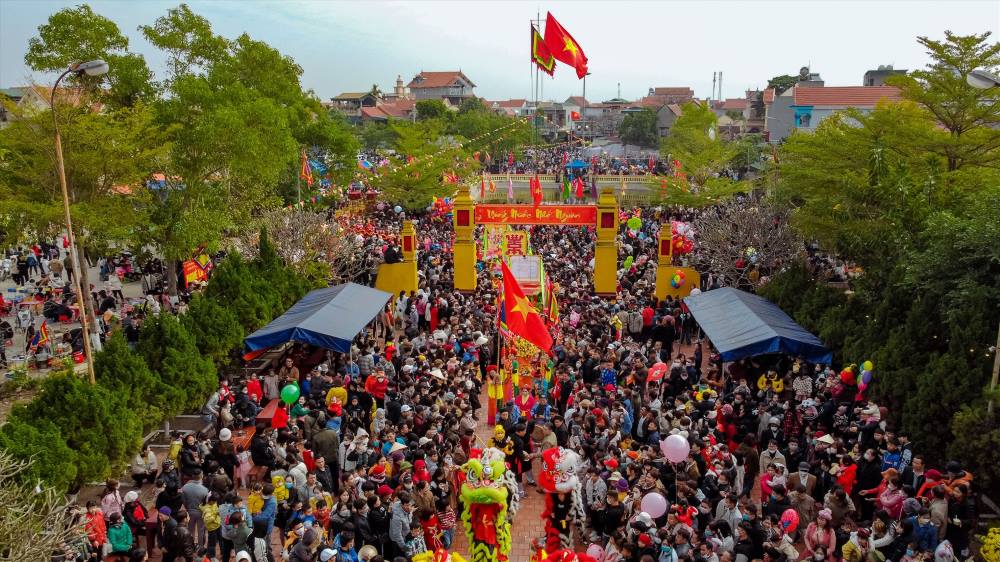
The Tien Cong Festival is also an opportunity for children and grandchildren to celebrate the longevity of the elderly with the procession of the elderly to the Tien Cong temple. The Tien Cong Festival has been preserved and promoted its value for more than 300 years, and is a national intangible cultural heritage.