
Building a "one destination - many journeys" brand
After expanding its development space, Lao Cai is repositioning its tourism development strategy towards regional linkage, international integration and improving product quality.
With synchronous planning, increasingly complete infrastructure and open investment attraction policies, the locality aims to become a high-quality tourism center of the Northwest region and a gateway connecting tourism between Vietnam and Southwest China.
According to the new development orientation, Lao Cai establishes a driving axis and two growth poles to effectively exploit natural, cultural and geo-economic advantages.
The economic - tourism axis along the Red River is oriented to become a space for developing conference tourism, spiritual culture, commerce and night economy.
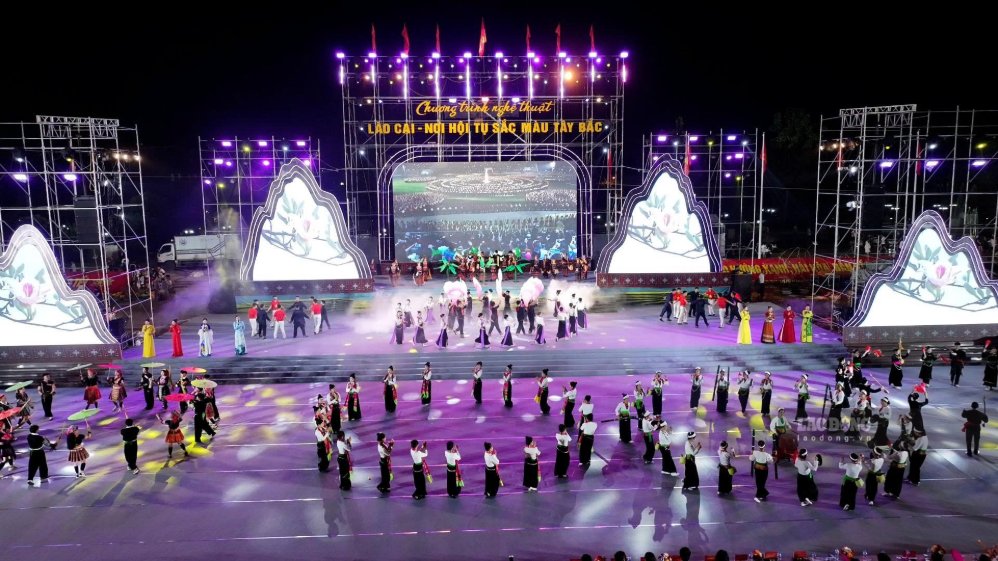
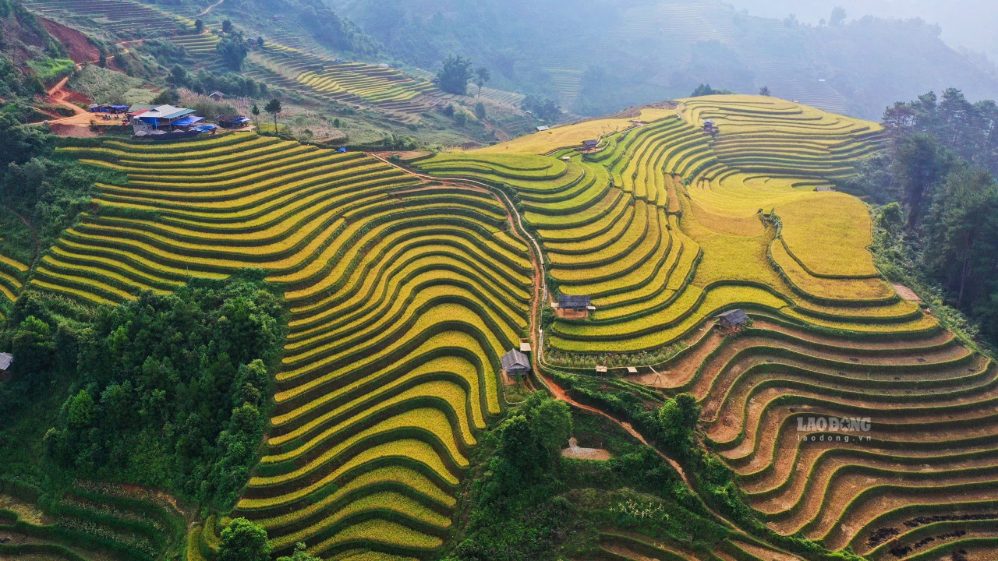
Meanwhile, the development pole in the Northwest with the core being Sa Pa National Tourist Area and Mu Cang Chai Terraced Fields special national scenic spot will focus on developing high-class resort products, health care, extreme sports and experiential tourism.
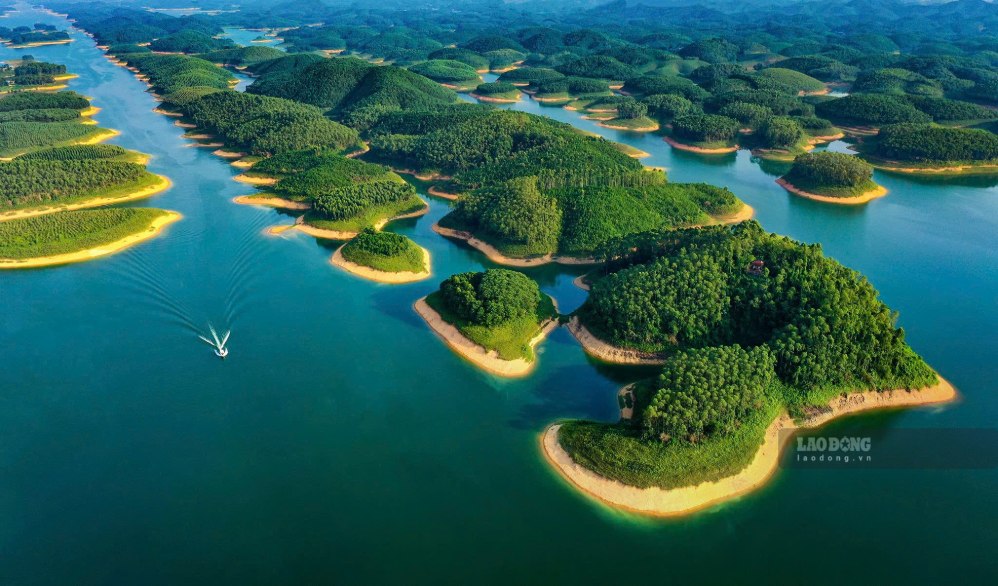
In the East, the space along the Chay River and Thac Ba Lake basin is planned to become a key area for developing ecotourism, lakeside resorts, experiential agriculture and exploring the culture of highland ethnic groups.
Not only expanding the development space within the province, Lao Cai also promotes links with Northwest localities in the direction of building a "one destination - many journeys" brand.
The tourism development cooperation program for the period 2026 - 2030 between Lao Cai and the Northwest provinces is expanded towards synchronous transport infrastructure, product connectivity and limiting duplication of investment between localities.
Lao Cai is also gradually developing products aimed at groups of customers with high spending capacity. One of the new orientations is to build inter-provincial golf tours, connecting golf courses with a chain of local cultural experiences, resorts and nature exploration.
Attracting strategic investors
Expanding the international market is also one of the focuses of the new tourism development strategy.
Lao Cai's tourism industry is targeting long-term overnight visitors from Europe, India and Southeast Asia through the development of high-quality resort products, natural tourism, health care and cultural experiences.
The locality also focuses on promoting its image through international sports events such as marathons, paragliding, mountain biking... At the same time, the research to restore the Dien - Viet historical railway line is expected to create more unique tourism products, increasing connectivity with the Southwest Chinese market.
To realize development goals, Lao Cai identifies improving the investment environment as a key factor. The provincial government is committed to accompanying businesses, focusing on removing obstacles related to land, access to capital, administrative procedures and accelerating infrastructure investment.
The culture, sports and tourism sector also proactively advises on the implementation of preferential policies on taxes and land, and at the same time builds a list of projects calling for investment in potentially rich areas such as Sa Pa, Bac Ha, Mu Cang Chai, Tram Tau and Thac Ba Lake.
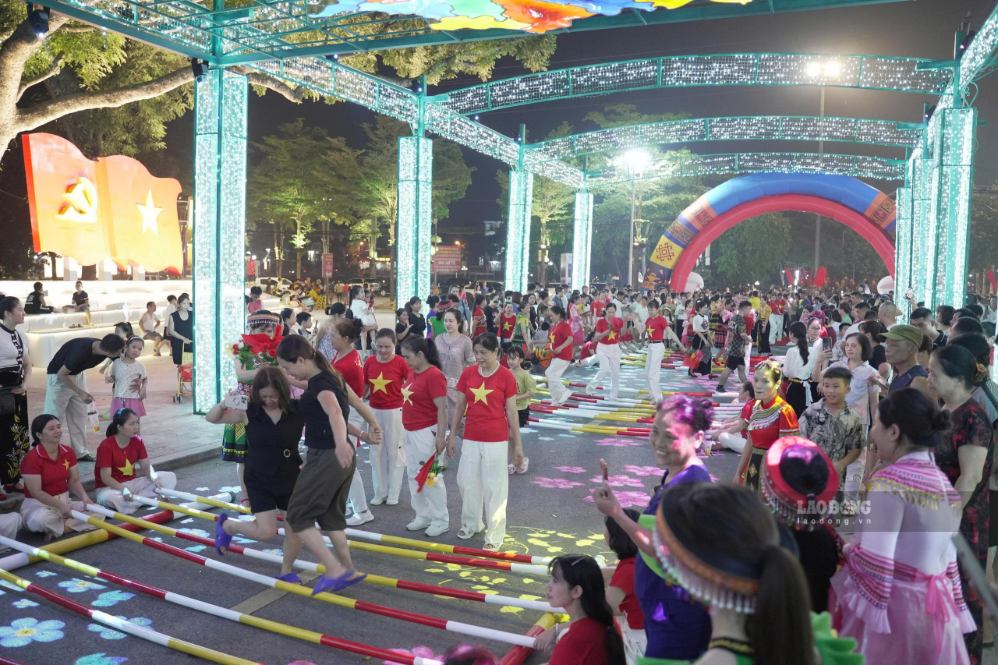
At the seminar "Lao Cai - A place of convergence of Northwest colors" organized by the Lao Cai Provincial People's Committee in coordination with Lao Dong Newspaper on the afternoon of July 16, a signing ceremony of a memorandum of understanding on cooperation between the Lao Cai Provincial Department of Culture, Sports and Tourism and the Hai Phong City Department of Culture, Sports and Tourism; Minh Duc Green Tourism Development Joint Stock Company with Dai Phu An Pharmaceutical Joint Stock Company; Hellopang Korea Company and Ngoi Sao Yen Bai Golf Course Joint Stock Company was also witnessed.
With a development strategy towards regional linkages, product diversification, international market expansion and strongly improving the investment environment, Lao Cai is creating a foundation for forming international-class resort complexes and tourism services.
This is also expected to be an important driving force to promote economic restructuring, making tourism a key economic sector in the new development stage.


