
Heritage is "suffering".
Once playing an important role in the formation and development of Hue urban area, Gia Hoi and Bao Vinh ancient towns still have many valuable architectural works such as communal houses, village communal houses, hội quán, phủ đệ... However, these spaces are clearly affected by the urbanization process.
In Bao Vinh ancient town, Hoa Chau ward, old houses are interspersed between newly built works. Many houses have had to be repaired and reinforced to meet living needs, causing the original architecture to change somewhat.
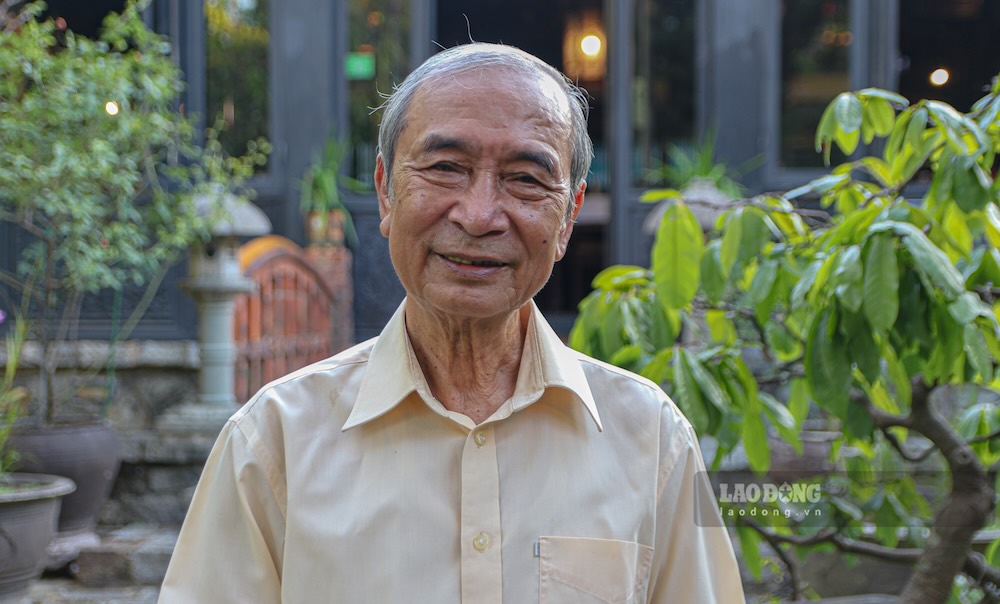
Researcher Nguyen Xuan Hoa, former Director of the Department of Culture and Sports of Thua Thien Hue province (now Hue City) said that ruong houses and garden houses are not simply a type of housing. In which there is a combination of architecture, landscape, lifestyle and cultural values of Hue people.
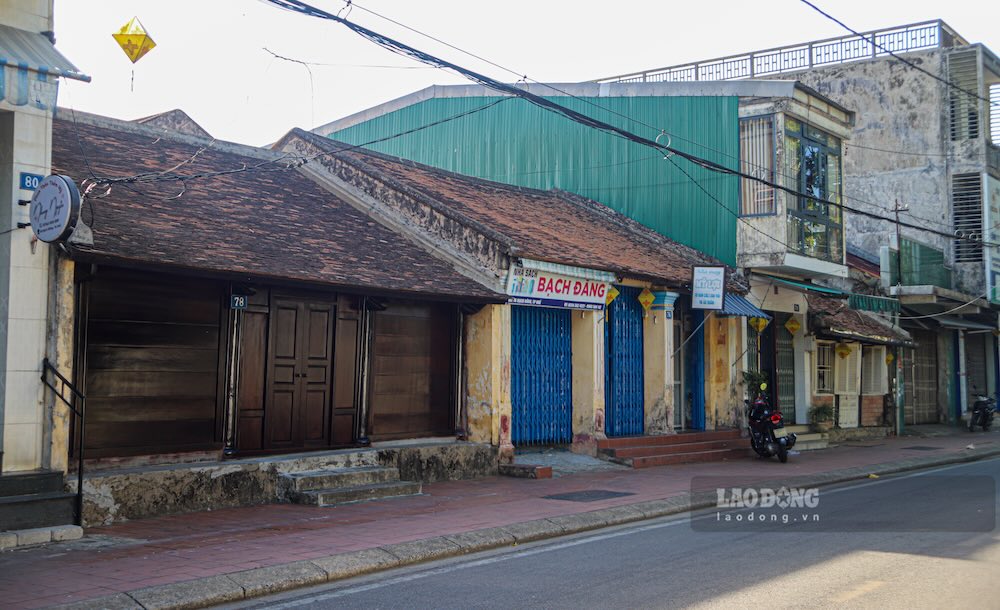
Over time, the number of ancient architectural works in Gia Hoi ancient town is also shrinking. The remaining works are also under pressure from renovating houses, building new works and transforming urban space.
Not only the Old Quarter, the system of stilt houses and garden houses scattered in the community also faces a similar risk. This is a type of heritage that once created a unique face for Hue city, but maintaining an old house requires large costs while the direct economic value for the owner is not always commensurate.
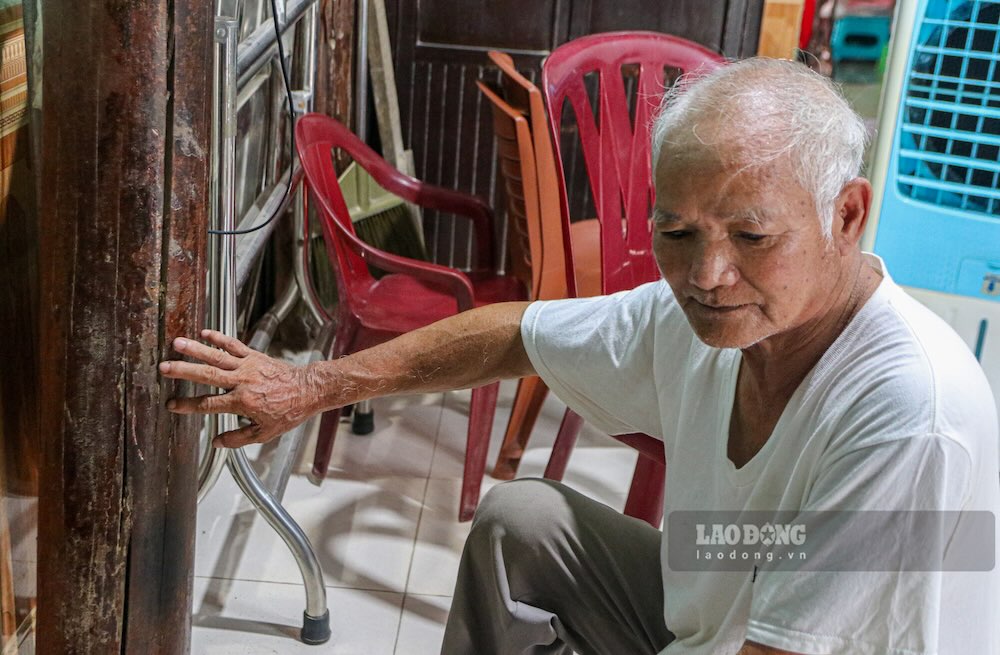
Policies to support the conservation of typical Hue garden houses implemented over the years have created some results, including renovating the Ruong house area, Phu Mong garden house, preserving Phuoc Tich ancient village and supporting the restoration of some valuable Ruong houses.
However, according to researcher Nguyen Xuan Hoa, these policies are still not enough to comprehensively protect the type of heritage that is scattered among the population.
Conservation according to key points, linking heritage with tourism
From the perspective of a researcher, Mr. Nguyen Xuan Hoa believes that conservation needs to shift from a spreading approach to selecting areas, types and works with outstanding value to focus resources.
The number one priority, in my opinion, is to have a project to preserve, conserve and promote the value of the palace system of the kings and queens in Hue," Mr. Hoa proposed.
According to him, the palaces not only have architectural value but also preserve horizontal lacquered boards, parallel sentences, Han Nom documents and many other cultural values. This is also a space connecting court culture and folk culture of Hue.
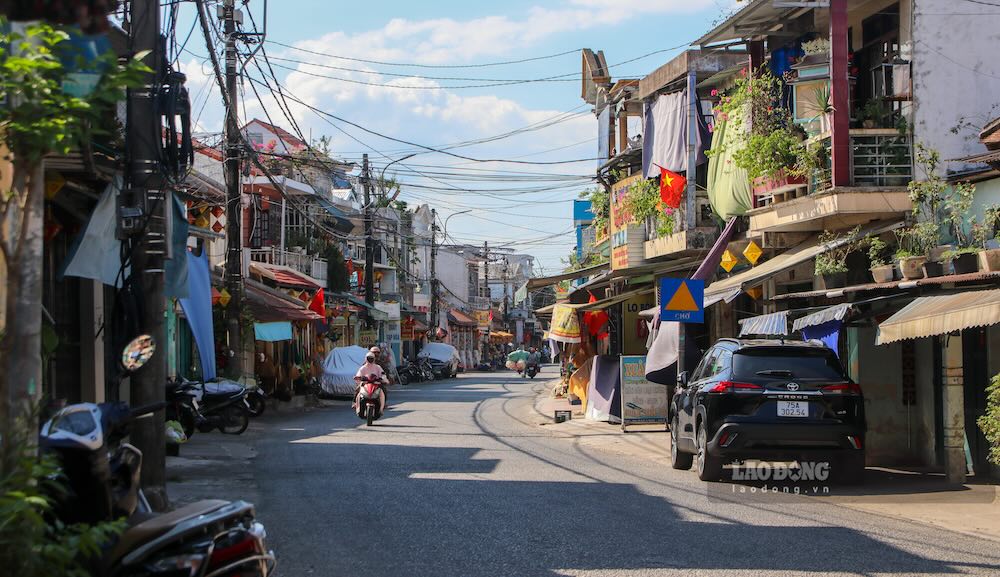
In addition, it is necessary to develop a separate project for the two areas of Gia Hoi and Bao Vinh, with management at the city level, and with the participation of local authorities and residential communities.
The ward-level government is the place where people jointly enjoy and protect heritage. But to solve the overall problems of an old quarter, a level with sufficient authority and resources is needed," Mr. Hoa analyzed.
For scattered stilt houses, researchers believe that they can be connected into tourist routes. For example, the route from the center of Hue to Thien Mu Pagoda can link typical mansions, stilt houses, and garden houses in the Phu Mong area into a chain of experiences.
Further, Hue can study the formation of a centralized space to preserve traditional Ruong houses.


