
When will Hong Linh run out of trees...
In the early days of the year, in the streets of Nghe An filled with peach and kumquat colors, we met People's Artist Trinh Thi Hong Luu. At the age of over 60, the female artist still maintains a sweet, warm voice like honey poured. Just a few words spoken, listeners recognized "O Lieu Vi Giam".
When Hong Linh will run out of trees. The Lam River will run out of water, then that's when love will run out here" - she began the story with a heartfelt verse. For people in Nghe An, it's not just a song, but a vow of loyalty to their homeland.
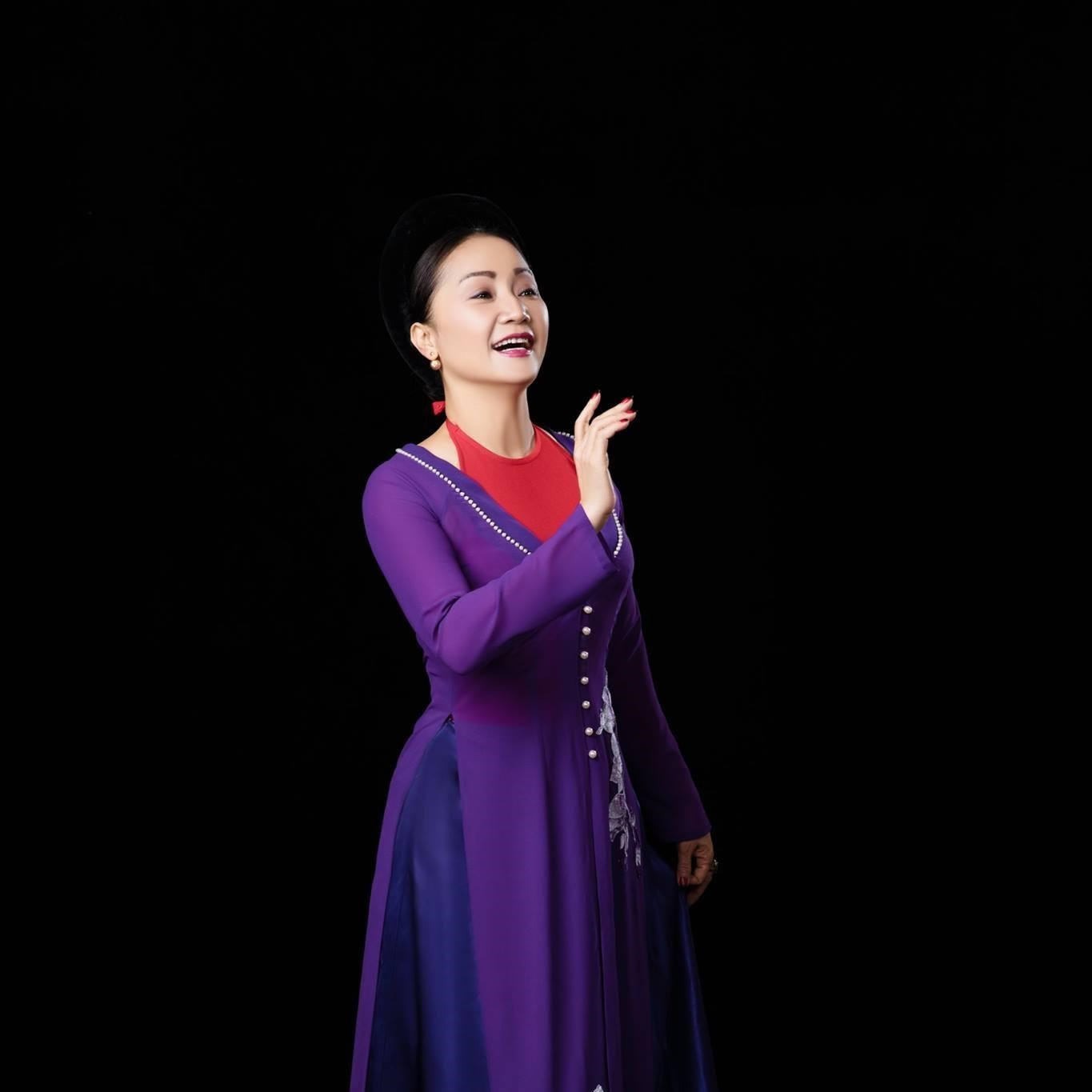
Bên bát chè xanh còn bốc khói, câu chuyện đầu Xuân nhanh chóng trở về với dân ca. “Tết là lúc người ta lắng lại để nhớ về cội nguồn. Và Ví Giặm là con đường ngắn nhất đưa mình trở về ký ức ấy”, NSND Hồng Lựu nói.
Mentioning the lullaby "Father's love is deep", her eyes drooped. The sentences "Ah... oh..." echoed, without musical accompaniment, still enough to make the space silent. Anyone who has been far from home, owed parents a word of greeting on Tet, understands that feeling.
Born in Dong Thuong village, Dai Dong commune, Nghe An, in a "all sing well" family, Hong Luu grew up in a vibrant folk song space. For her, the grandmothers and mothers in the countryside - even without titles - are the most persistent keepers of the fire for Vi Giam.
Folk songs return to the community
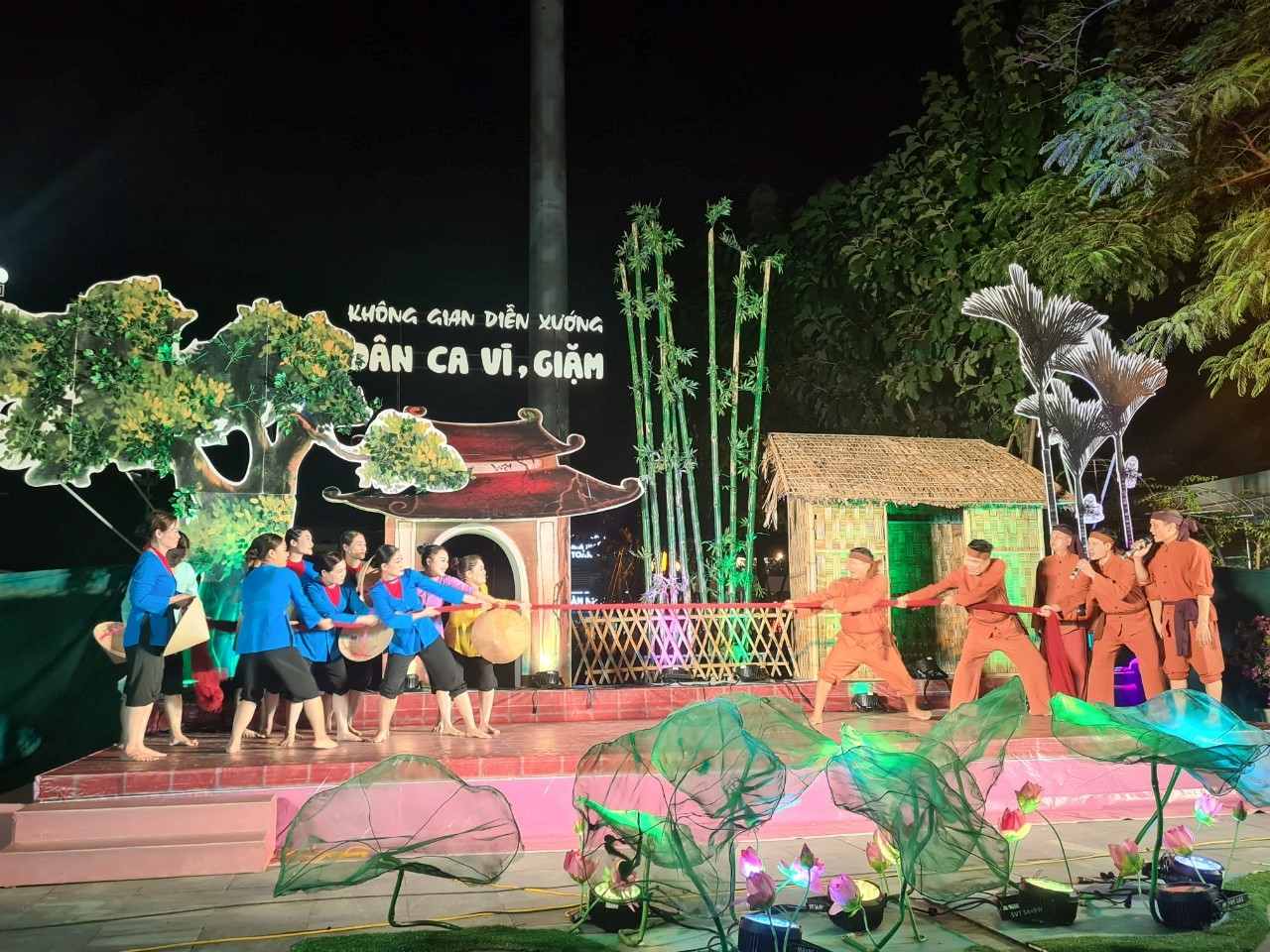
For a long time, Vi Giam has been associated with daily life: lullaby for children, weaving fabric, rowing boats, farming. But entering Tet, the song brings more meaning of reunion and reminders.
In many rural villages of Nghe An, after the busy days of the end of the year, people meet each other in the first spring fun. No need for stage, no need for staging, just a parallel sentence is enough to warm up the atmosphere. Old people listen to remember, young people listen to understand where they belong.
People's Artist Hong Luu believes that if heritage wants to live long, it must return to the community. "Folk songs are not displayed in glass cabinets. There must be someone to sing, someone to listen to. Tet is when people's hearts open up. Opening up, the song enters".
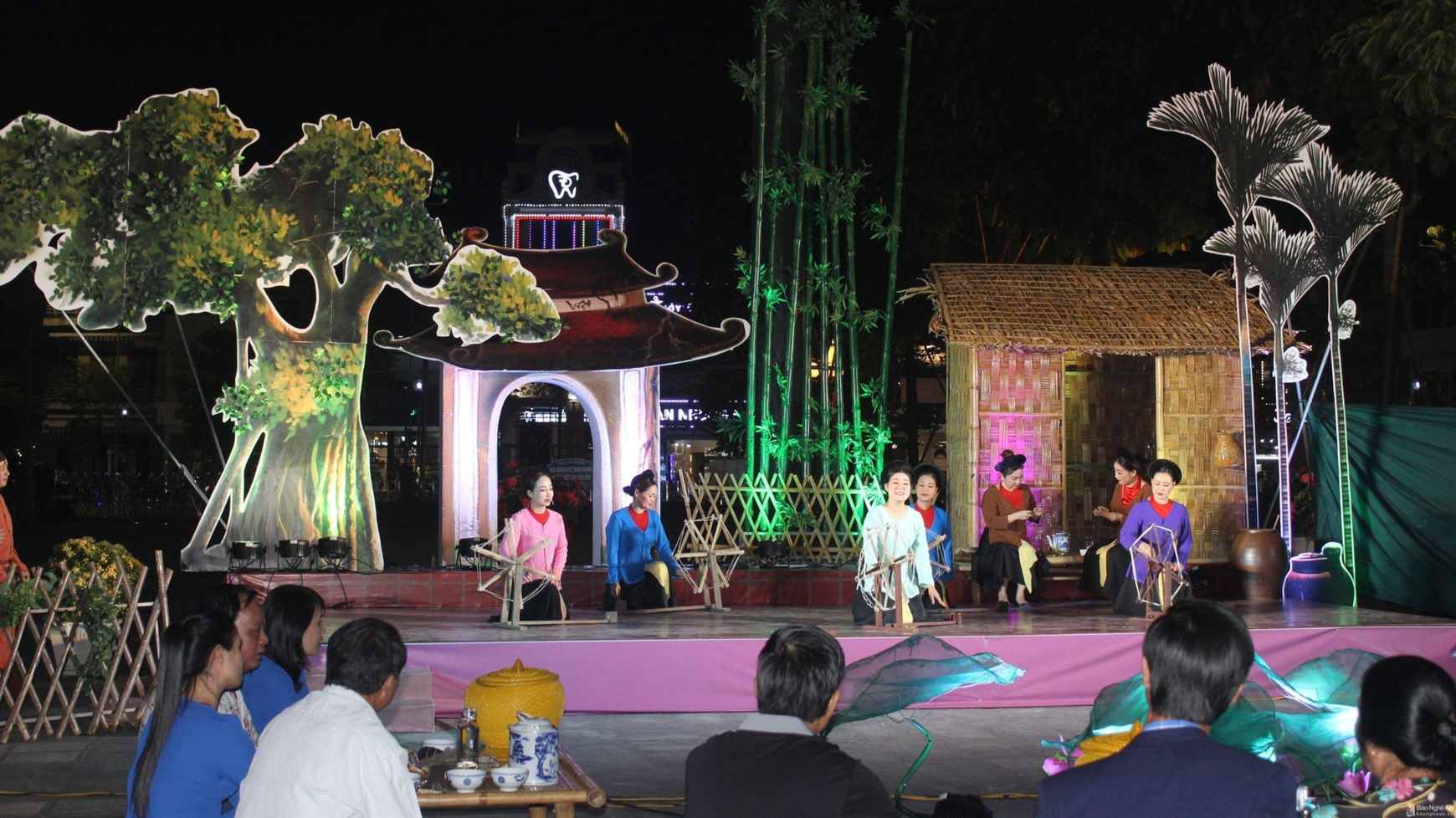
According to Vice Chairman of Nghe An Provincial People's Committee Thai Van Thanh, after more than 10 years since being recognized by UNESCO as a Representative Intangible Cultural Heritage of Humanity (in 2014), Vi Giam folk songs of Nghe Tinh have spread to many localities, appearing in schools, clubs, festivals and major art programs.
It is worth mentioning that the vitality of Vi Giam today is not only in the professional stage, but in the community activities, the New Year's exchanges in the villages. Heritage does not stand still in the file, but continues to resonate in life.
Connecting two sides of memory
Vi Giam folk songs of Nghe Tinh are two folk singing styles without musical accompaniment, created and passed down through generations by the Nghe Tinh residential community. Vi tends to be responsive, soft, and flexible; Giam tends to be telling, expressing, and the rhythm is clearer and deeper.
The lyrics are rustic but concise. To sing correctly, the singer must understand the way of thinking and intonation of Nghe region. That is the "inner strength" behind seemingly soft but not weak lyrics.
Every Tet holiday, when Nghe people look towards their homeland, the Vi and Giam tunes connect two sides of memories: one side is parents, the wharf, the communal house yard; the other side is the present of making a living in a foreign land.
As long as Nghe people still remember their roots, still love their parents, and love each other, Vi Giam still has vitality" - People's Artist Trinh Thi Hong Luu said, as a New Year's wish.
Ví Giặm is therefore not only a registered heritage. It is a voice that remains in people's hearts every Spring.


