Before the 2026 World Cup took place, FIFA President (World Federation of Association Football) - Gianni Infantino - called the World Cup held in the US, Canada and Mexico "the greatest event humanity has ever witnessed and will witness".
The 2026 World Cup is the largest football tournament ever, not only reflected in the number of teams competing and the most matches in history, but also in FIFA positioning the 2026 World Cup as a "global cultural and entertainment super event".
From the early stages, FIFA has built a well-organized and continuous entertainment ecosystem.
The first thing that is easily noticeable is the strong investment in the official album with 18 songs.
This is the largest World Cup music project ever, gathering a series of global artists such as Shakira, Burna Boy (song "Dai Dai"); Lisa Blackpink, Anitta, Rema ("Goals"); Future, Tyla ("Game Time"); The Rolling Stones ("In The Stars" remix)...
Famous American Streamer - IShowSpeed - was also contacted by FIFA to include his song "Champions" which caused a social media storm in his official album.
World Cup music queen" Shakira is invited by FIFA to return to the tournament after 12 years. Not to mention the quality of the song "Dai Dai", just the owner's performance of the hit "Waka Waka" reappearing at the 2026 World Cup is enough to cause a shock.
Lisa - one of the most famous and fan-populated Kpop idols today - was also recruited by FIFA. The song "Goals" performed by her caused controversy about the lyrics, but from another perspective, Lisa has properly promoted the role of a "communication trick" of the 2026 World Cup.
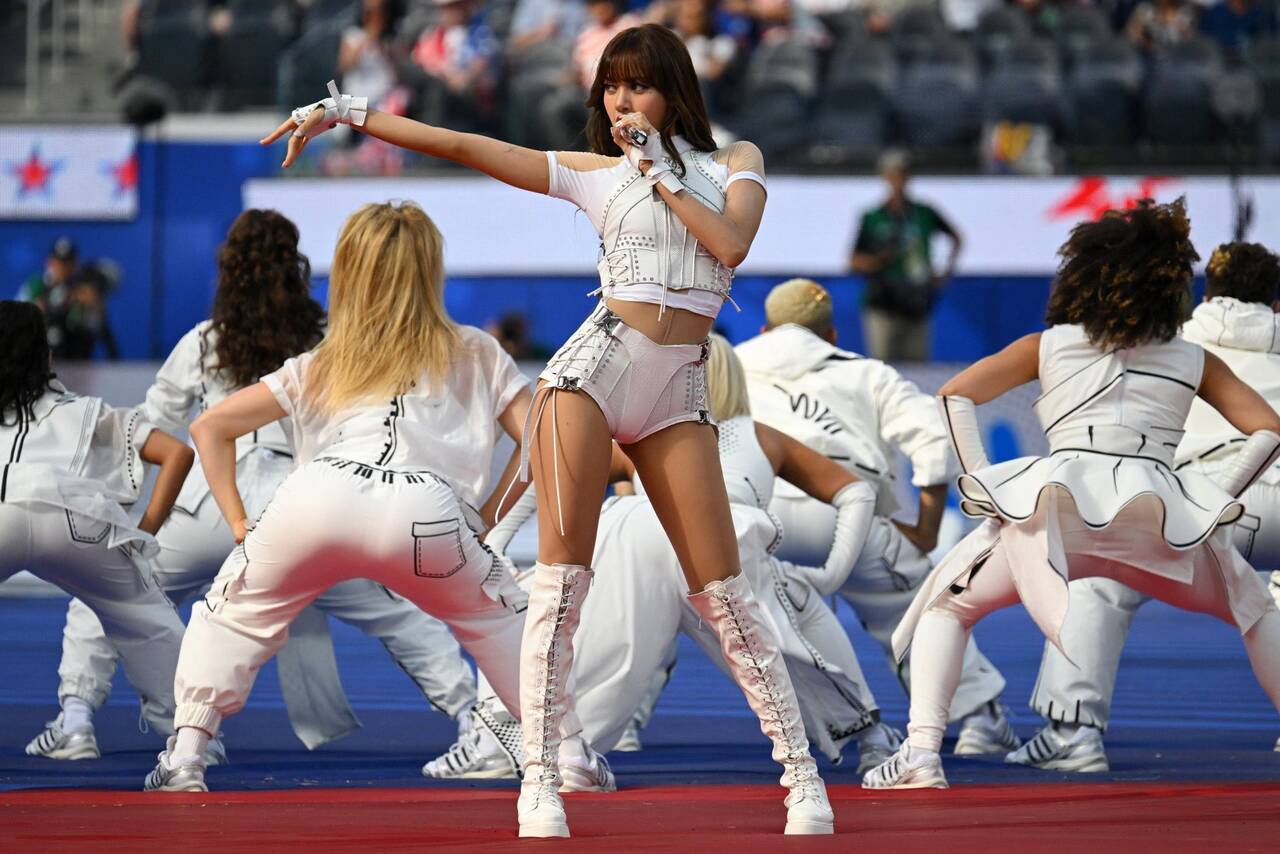
Right from the opening ceremony, the splendor and ostentation of the tournament were clearly shown. This year, the World Cup has up to 3 opening ceremonies in 3 co-host countries.
The scale of the opening ceremony is no less than a real concert, gathering a large number of international artists. Besides the artists bringing their own World Cup 2026 theme songs to the live stage, the event also has the participation of many other famous faces such as Katy Perry, J Balvin, Ryan Castro, Michael Bublé...
The peak was FIFA's imitation of the entertainment model of the Super Bowl, bringing music and popular culture stars into the tournament to expand audiences and increase commercial value.
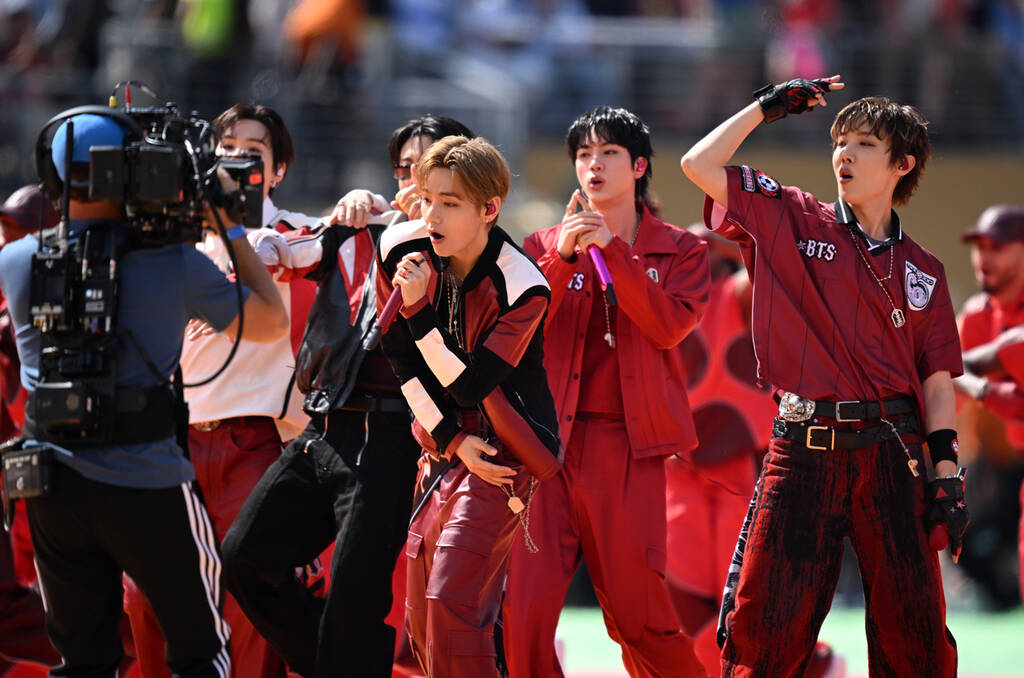
For the first time in history, the World Cup final has a Super Bowl-style halftime show, gathering top superstars such as Madonna, Shakira, the famous Kpop group BTS, and the name that was finalized a few days before the event is Justin Bieber - the male singer who caused a global storm recently when performing at Coachella 2026.
The first half-time program of the king sport this time marks a new step forward in the trend of sports increasingly becoming a force of popular culture.
Never before have sports events had to bear such high expectations as today: becoming one of the few events still capable of attracting the attention of the whole society in the era of fragmented media; and never before have sports events met that expectation so much.
FIFA estimates that about 6 billion people, equivalent to nearly 3/4 of the world's population, watch or interact with the World Cup in many forms.
A recent survey by CNBC shows that about 50% of Americans, regardless of political views, have watched at least one World Cup match.
Meanwhile, the transfer fee for the final match between Argentina and Spain this year has skyrocketed to an average of about 10,000 USD right before the match day, making the 2026 World Cup final one of the most expensive sports events of all time.
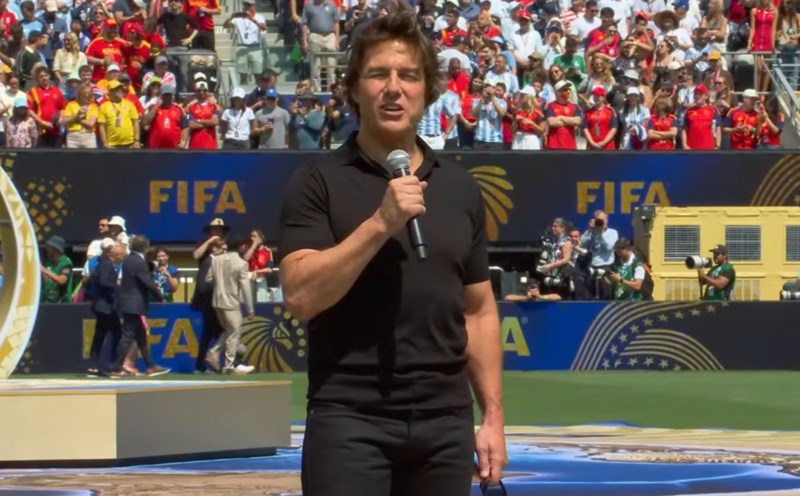
Celebrities also become part of the "World Cup product". In addition to performers, actors such as Tom Cruise, Jason Sudeikis, to politicians and streamers, influencers (influencers on social networks), all contribute to creating the attraction of the tournament.
From the interactions on social networks of Norwegian striker Erling Haaland, to the wave of fans on TikTok for midfielder Jude Bellingham of the England national team, the outstanding players of the tournament have gone beyond the framework of football to become cultural icons widely recognized by the public.
With the FIFA agreement signed with TikTok, this year's World Cup matches have attracted more than 465 million views for official television stations throughout the tournament.
Looking from the perspective of the cultural industry, the FIFA World Cup is combining many fields including sports, music, cinema, social networks, television and streaming... creating a global spreading effect.
FIFA proactively brought top world stars to both the opening and closing ceremonies and for the first time organized a halftime performance program, aiming to turn the World Cup into a cultural and entertainment event with a spreading power beyond football.
Unlike previous editions, the 2026 World Cup not only sells matches, but also sells comprehensive entertainment experiences.