
Ben Thanh - Thu Thiem Metro
The Ben Thanh - Thu Thiem Metro line has a total capital of nearly 46.300 billion VND, invested by Dai Quang Minh Real Estate Investment Joint Stock Company (under Thaco).
The route is about 6 km long, completely underground from Ben Thanh station along the Ham Nghi axis, crossing the Saigon River to Thu Thiem urban area, then running along Mai Chi Tho street to the final station.
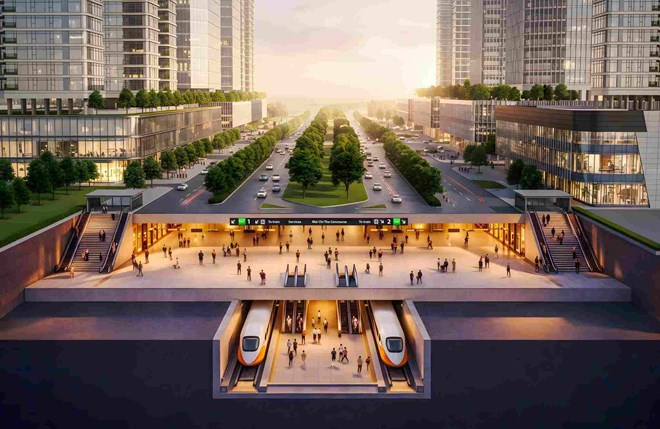
This is an important section in the overall Metro Line No. 2, more than 62 km long, connecting Ben Thanh - Tham Luong and extending to the Northwest Cu Chi Urban Area.
Currently, the Ben Thanh - Tham Luong section has started construction from mid-January 2026, expected to be completed in 2030. The Ben Thanh - Thu Thiem section also aims to reach the finish line at the same time, contributing to completing the urban railway network and connecting with the Thu Thiem - Long Thanh line.
Central Square of Ho Chi Minh City
At the same time, Ho Chi Minh City will start the component project Central Square belonging to the Central Square and New Administrative - Political Center project of the city, with a total investment of nearly 30,000 billion VND for the entire project in the form of PPP, BT contract.
The project is expected to be implemented in the period 2026 - 2028, including 4 components: Technical infrastructure; Administrative center; Conference - performance center; Central square.
The square is designed with a maximum capacity of about 268,000 people for political events and up to 500,000 people for cultural festivals.
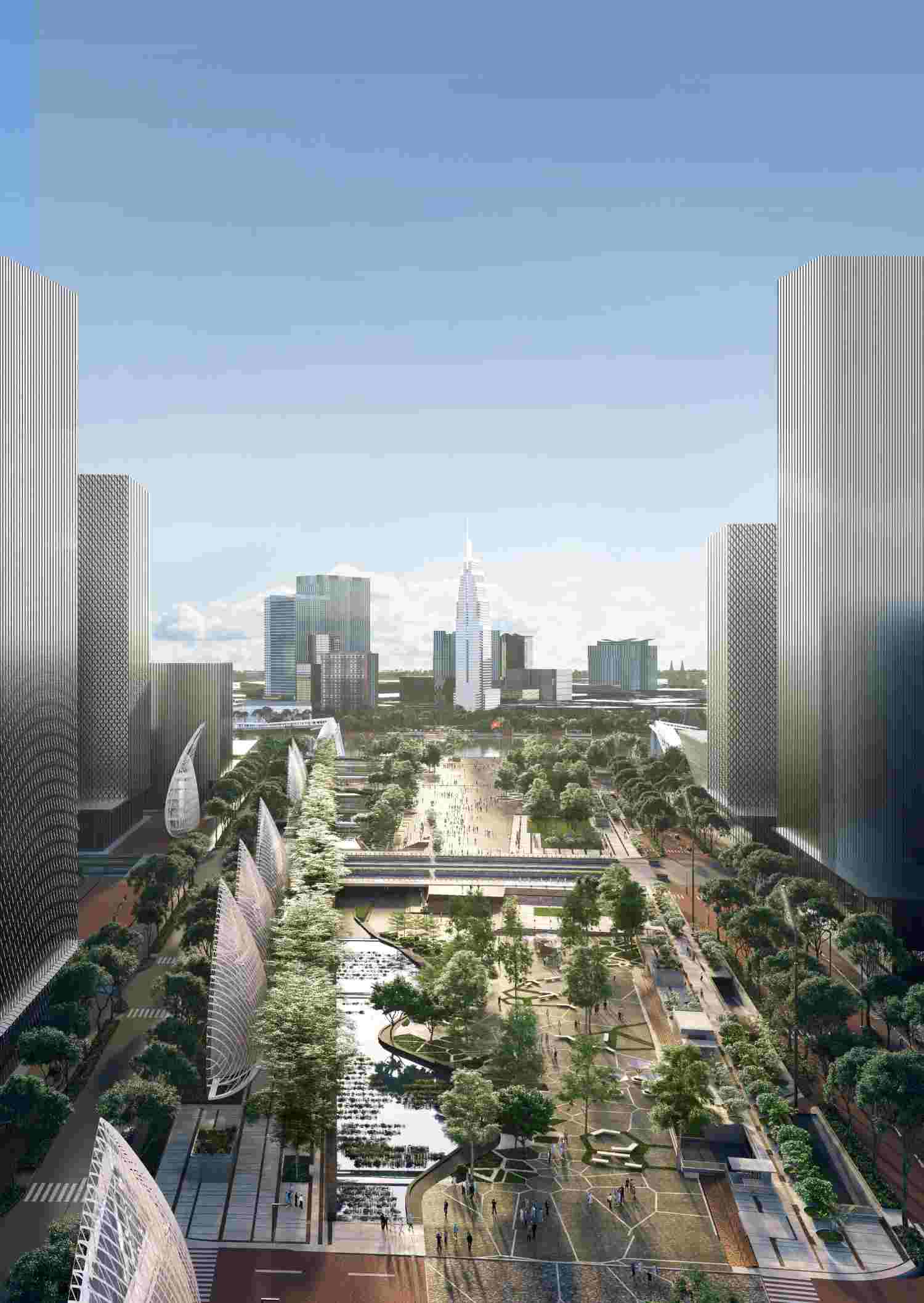
The administrative center area has a total floor area of about 272,000 m2, serving about 8,000 officials, and also meeting the transaction needs of 1,500 - 2,000 people and businesses every day.
Conference - performance center with a scale of 2,000 seats, along with a system of parks, landscape lakes and symbolic works such as the Unification Monument, fountain.
Expanding the Ho Chi Minh Museum
Another notable project is the renovation of Nha Rong - Khanh Hoi port area combined with the expansion of the Ho Chi Minh Museum relic site, with a total capital of more than 20,000 billion VND, expected to be implemented in the form of PPP, BT contract.
In phase 1, the Ho Chi Minh Museum area will be expanded to a scale of 11 hectares, nearly 10 times larger than currently, expected to be inaugurated on September 2. The project is oriented to become a cultural and historical symbol with a modern display space, bearing the unique identity of Ho Chi Minh City.
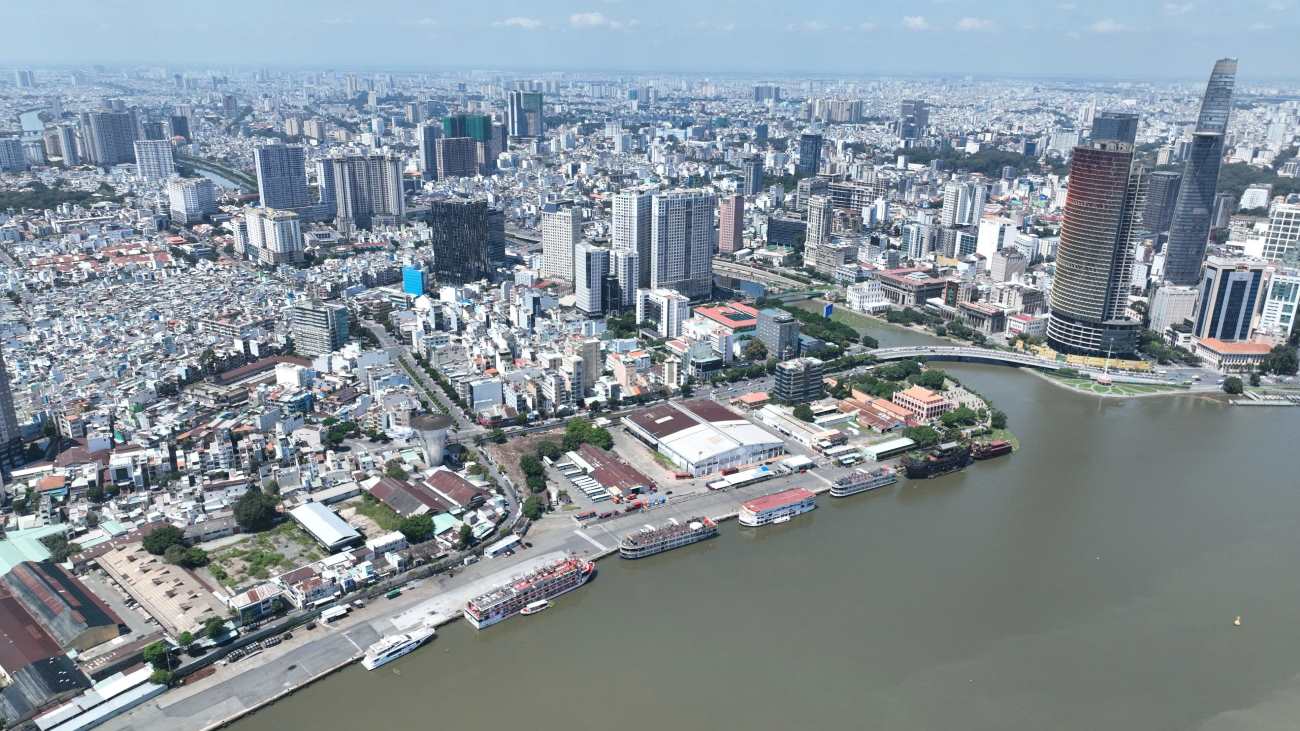
In parallel, the city will expand Nguyen Tat Thanh street towards the port to at least 8 lanes, combined with building a new Tan Thuan 1 bridge.
The remaining area of Nha Rong - Khanh Hoi port area will be planned into a multi-functional park, community living space, passenger port and resettlement area.
International University Urban Area
After 17 years of "freezing", the International University Urban Area in Xuan Thoi Son commune, Northwest area of Ho Chi Minh City, is also preparing to be started.
The project has an area of about 880 hectares, with a total adjusted capital of 59,000 billion VND, oriented to be a large-scale training and research center, playing a core role for the northern education cluster of the city.
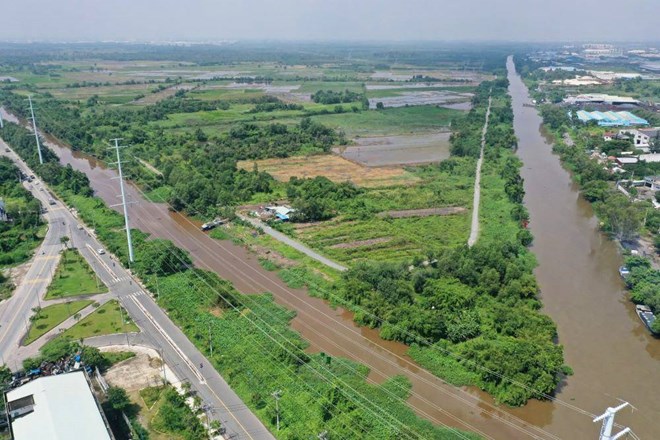
When completed, the urban area is expected to meet a population scale of about 135,000 people and about 60,000 students, contributing to reducing the load on the inner city area, while creating motivation for development for the Northwest gateway.
Cai Mep Ha Port
In the field of logistics, the Cai Mep Ha general port and container project will also be started, with a scale of 351.2 ha, total capital of about 50. 200 billion VND.
The project has a total wharf length of more than 6.8 km, a designed capacity of 11 million TEUs/year, and can receive container ships up to 24,000 TEUs (equivalent to 250,000 tons).
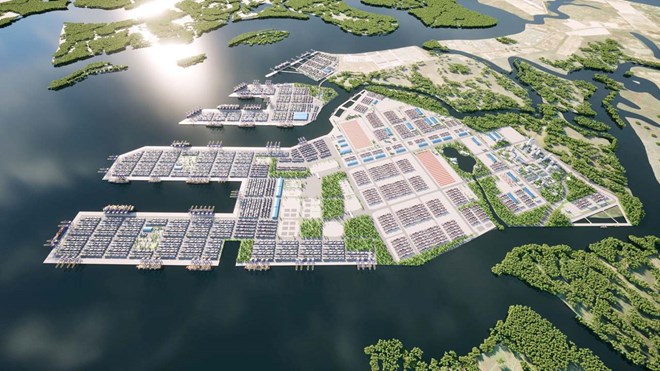
In phase 1, the project will build 2 900 m long wharves and 9 barges, with a capacity of about 2 million TEUs/year, total capital of nearly 14,900 billion VND, expected to be put into operation from the fourth quarter of 2028.
The project is implemented in 3 phases, with subsequent exploitation milestones in 2035 and 2045.


