
Not just concrete roads
Within the framework of the "U Minh Forest Fragrance 2026" series of events, on May 9, Ca Mau Provincial People's Committee organized a thematic seminar "Sustainable rural development, livable rural areas", with many notable suggestions from experts and managers.
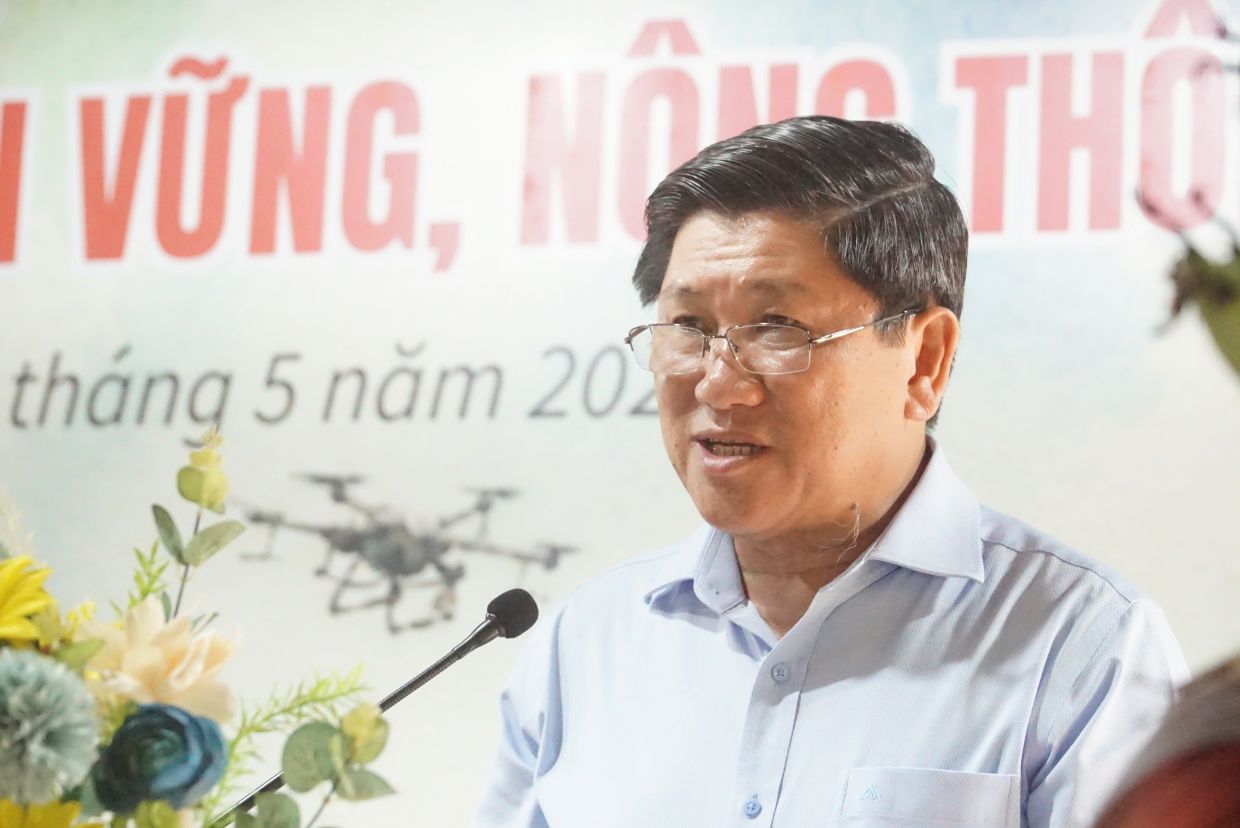
According to the report of the Provincial People's Committee, after the merger, the whole province currently has 43/55 communes meeting new rural standards, 3 communes meeting advanced new rural standards and 1 commune meeting model new rural standards. The rural face has changed a lot, and people's lives have gradually improved.
However, many criteria are still low, especially rural transport only reaching 30.9%; environment and food safety reaching 50.9%; production organization and rural economic development reaching 61.8%. Many places still have small-scale production, lack of value chain linkage, and unsynchronized infrastructure.
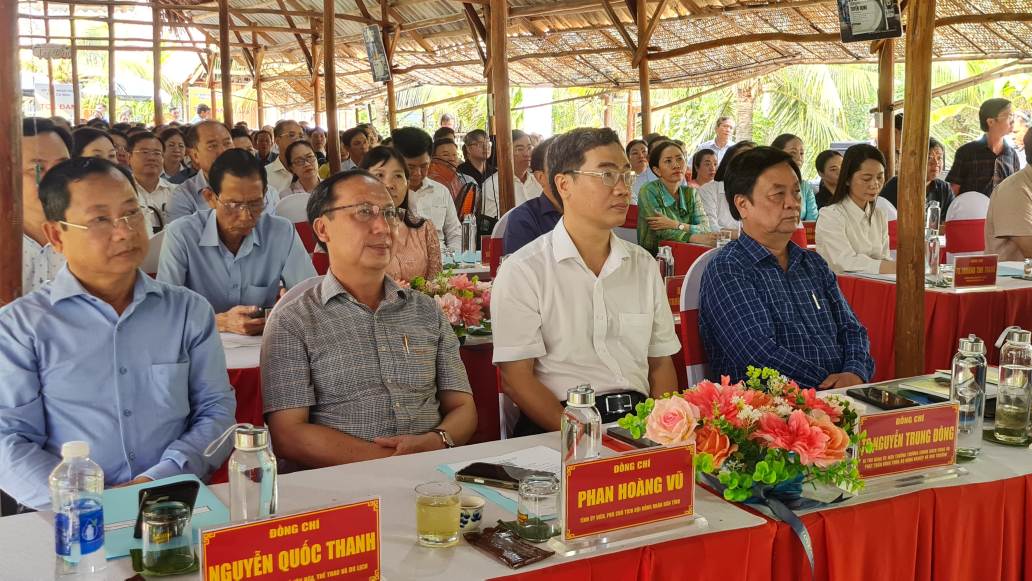
At the seminar, Mr. Le Minh Hoan - former Vice Chairman of the National Assembly - said that rural areas are not only a production space but must be a living space.
Going along that flat, clean concrete road, if there are no livelihoods, no laughter, no memories preserved... then rural areas are still just a renovated space, not yet a livable space," he said.
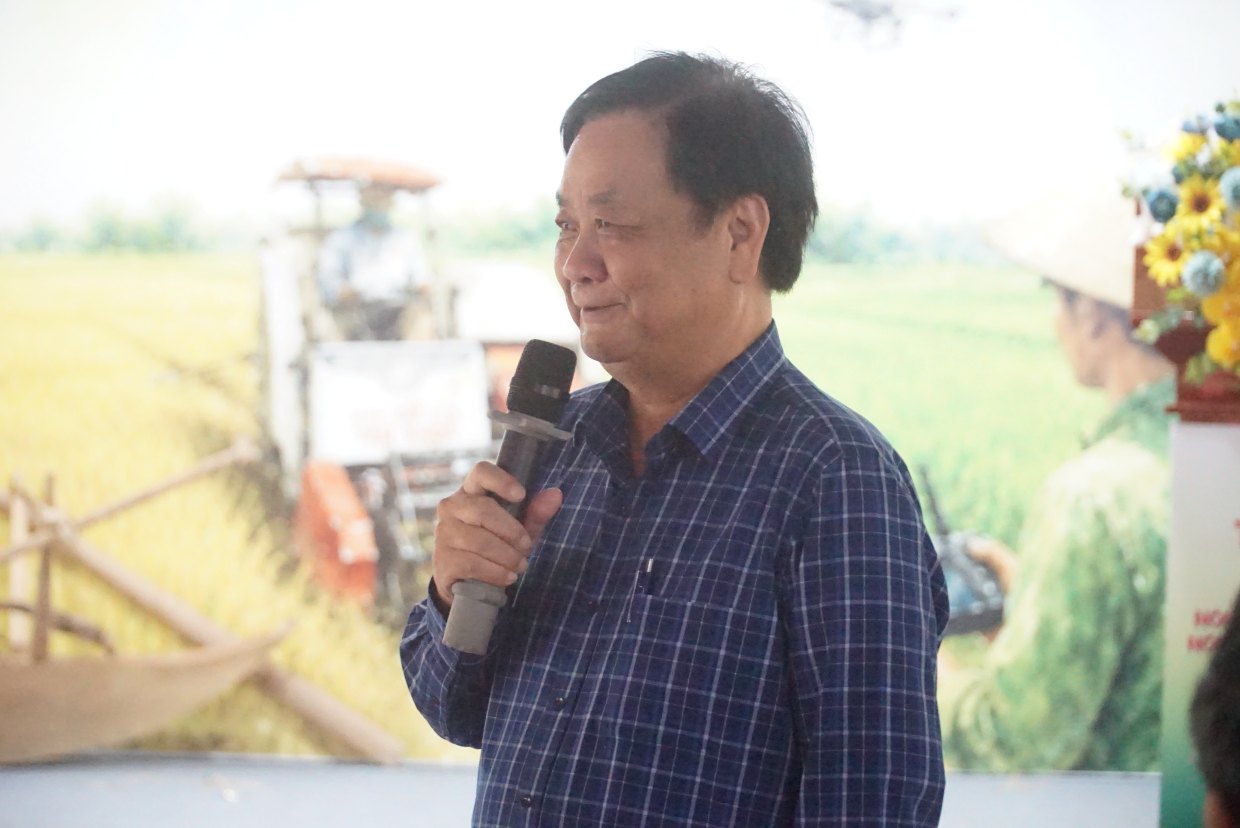
According to Mr. Le Minh Hoan, the important thing now is to change perceptions before changing forms; rural development must put people at the center, maintain community cohesion, local culture and long-term livelihoods.
Awakening the inner strength of the southernmost countryside
In her presentation at the seminar, Dr. Truong Thu Trang - Bac Lieu University - said that building "livable rural areas" is an inevitable development trend, towards a comprehensive quality of life instead of just focusing on economic growth.
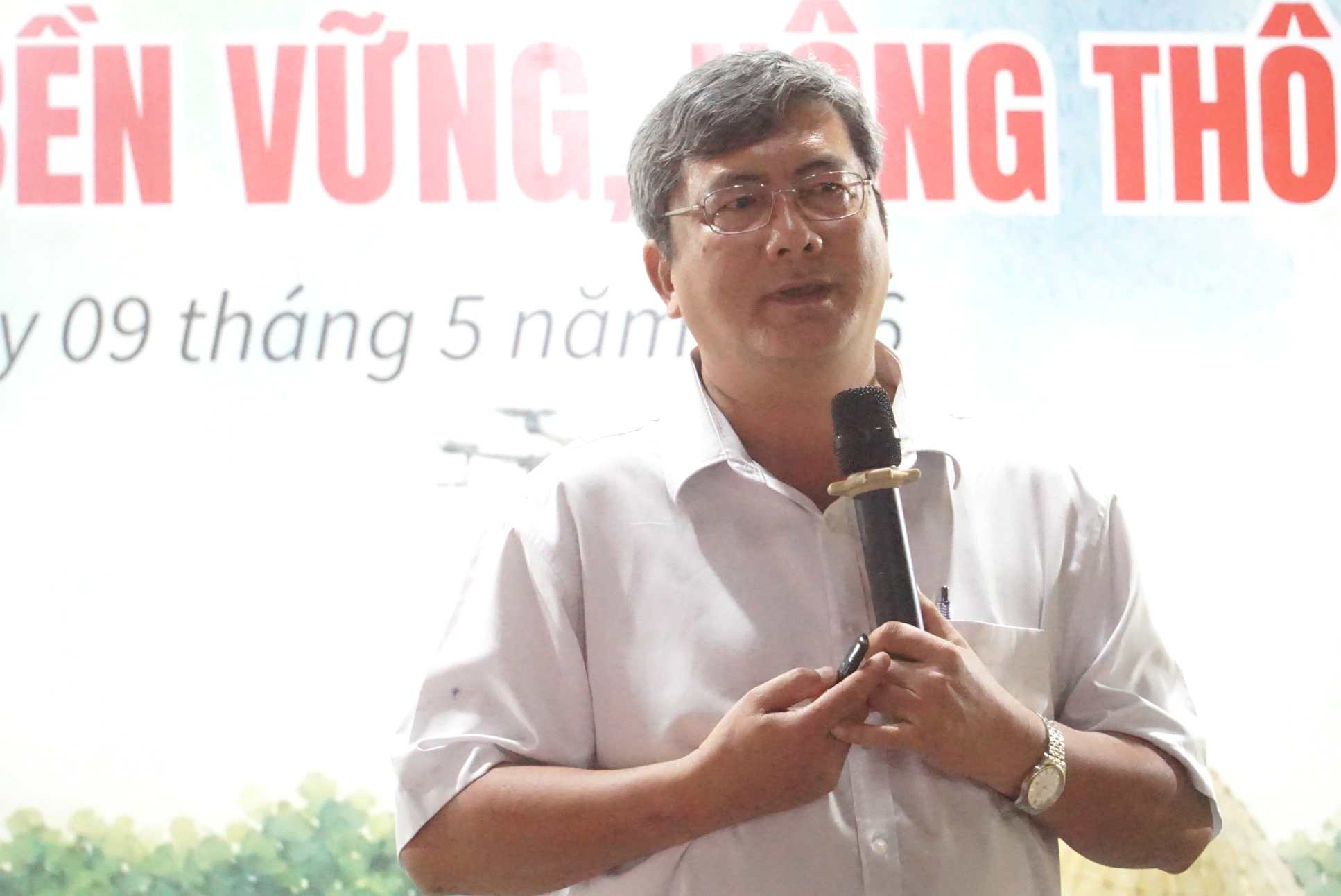
According to Dr. Trang's analysis, Ca Mau has many unique advantages with mangrove ecosystems, cajeput forests, shrimp-forest, shrimp-rice models and the characteristic Southern cultural identity. This is the foundation for developing a multi-value rural economy associated with ecotourism and community tourism.
However, the locality also faces many challenges such as climate change, landslides, saltwater intrusion, young workers leaving their hometowns and livelihoods that are not truly sustainable.
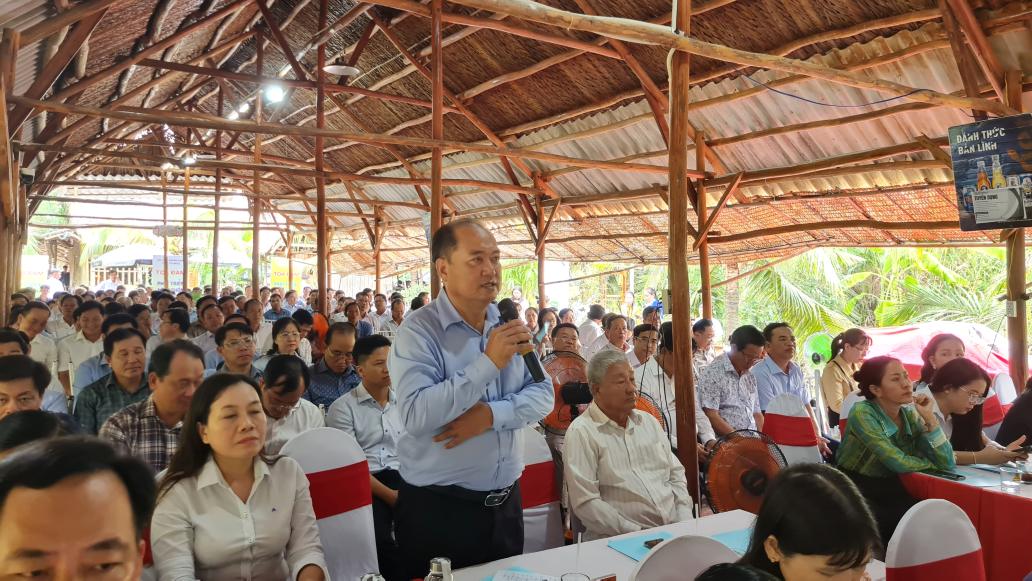
From that reality, Ca Mau province determined to strongly shift from the mindset of "infrastructure investment" to "improving the quality of life"; from "state doing" to "people taking ownership"; from "purely agricultural production" to "multi-value rural economy".
Dr. Tran Minh Hai - Vice Rector of the School of Public Policy and Rural Development - said that there needs to be a long-term shift for farmers to do tourism and develop their products. It is necessary to equip farmers with knowledge to adapt to the market, consume goods and modern rural approaches.
Vice Chairman of Ca Mau Provincial People's Committee Le Van Su said that the locality will focus on developing infrastructure to adapt to climate change, consolidating cooperatives, promoting green economy, circular economy and building "learning rural areas".
In particular, the province orients rural tourism development in a cultural depth, turning local products into stories associated with life, customs and identity of the southernmost land.
The shift from the goal of "meeting standards" to "worth living" is not only a change in the way of doing things but also a change in development thinking, taking people's satisfaction and happiness as the ultimate goal.


