
Dear friend,
I am writing this letter from Ca Mau, the land that touches the sea, where 2025 closes with numbers that are no longer dry on paper, but present in the rhythm of daily life. If a few years ago, Ca Mau was still often mentioned as the "end point" of roads, today, this land is gradually becoming the starting point of many new expectations.
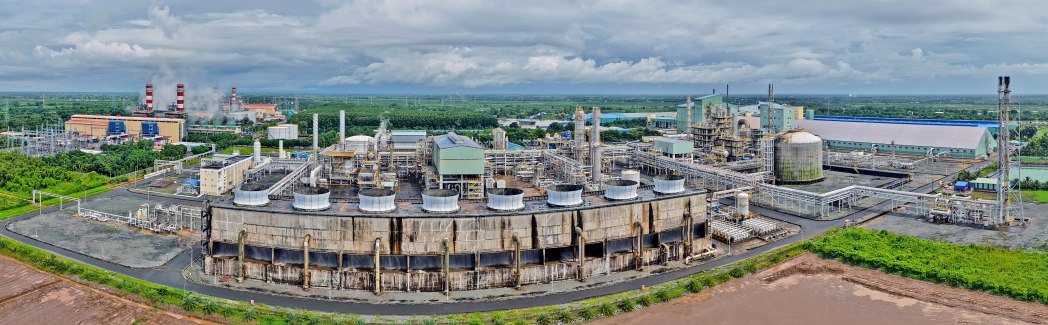
After the merger, Ca Mau has an area of more than 7,942km2, a population of about 2.6 million people, managing a sea area of over 120,000km2 with 310km of coastline - the longest in the Mekong Delta. These figures alone show that Ca Mau's development space has expanded much more, both on land and at sea.
In 2025, the province's economy continued to maintain stable growth momentum. The service sector accounted for over 36% of GRDP, rising to play a leading role in the economic structure, reflecting the trend of serviceization associated with trade, logistics, tourism and marine economy. Industry - construction gradually recovered; agriculture, forestry, and fishery continued to be pillars, ensuring livelihoods for hundreds of thousands of coastal and rural workers.
State budget revenue in 2025 is estimated to reach over 11,500 billion VND. The whole province has about 1,600 newly established businesses, an increase of over 60% compared to the same period, showing that the business community's confidence in the investment environment is gradually improving. Nearly 100% of households have used national grid electricity, transportation, health, and education infrastructure continues to be invested, covering remote and isolated areas.
Those numbers are not only in the report. They are present on newly opened roads to Dat Mui, in the bustling pace of life in Song Doc, in residential areas and industrial parks that are forming. More importantly, they are present in the workers' belief that life is gradually getting better.
Dear friend,
What impressed me the most is the spirit of daring to change to go faster and further. The adjustment of the Ca Mau Provincial Plan for the period 2021–2030 is placed in a very new context: merging boundaries, organizing two-level local government and requiring high growth according to the Central Government's orientation.
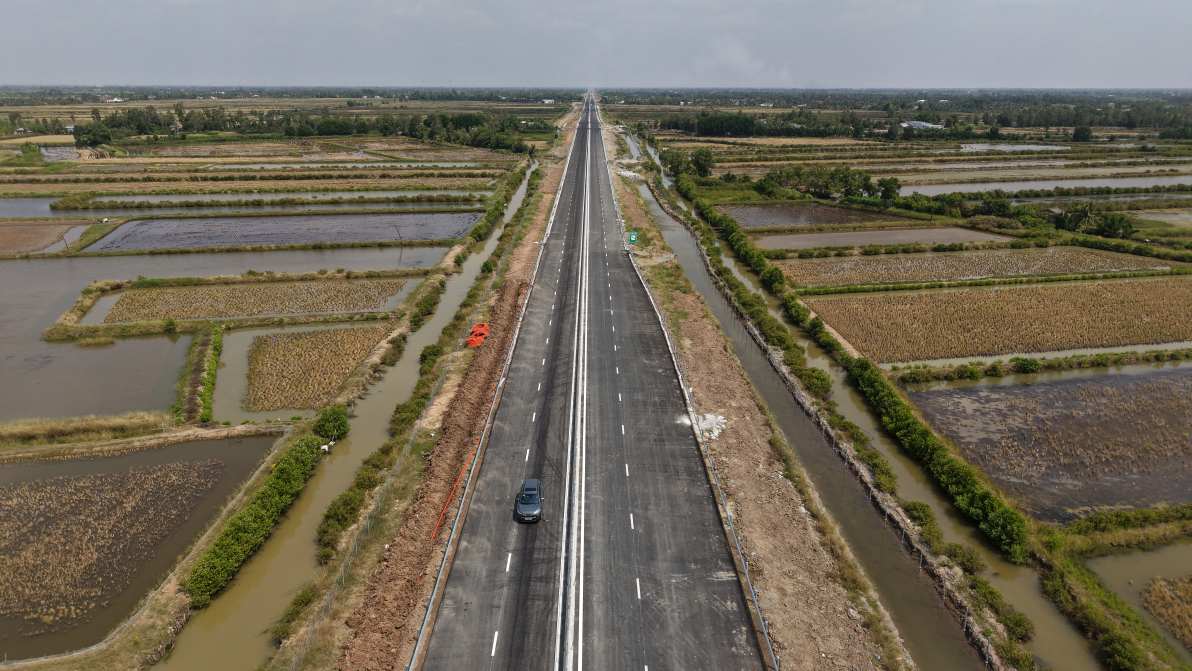
This plan does not rebuild from scratch, but inherits and removes old bottlenecks, restructuring development space. Ca Mau is positioned as the marine economic, energy and seafood center of the Mekong Delta, an important link on the national coastal development axis.
Hon Khoai is identified as a strategic breakthrough, towards seaports, logistics and maritime services. Nam Can Economic Zone of more than 10,800ha is planned to become a driving space, connecting industry, urban areas and sea services. Industrial zones and clusters continue to be added to welcome investment capital in seafood processing, supporting industries and logistics.
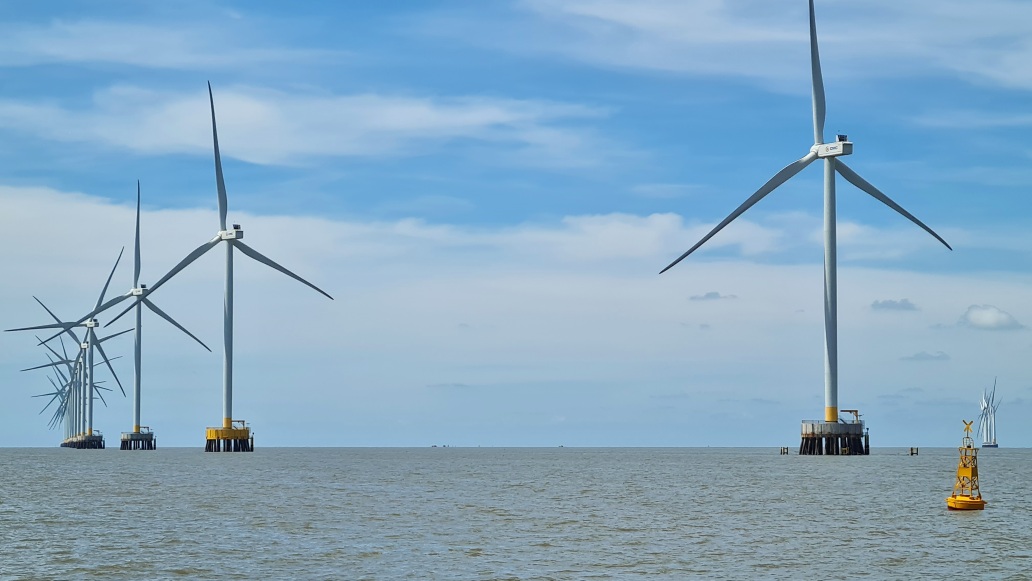
At the same time, Ca Mau promotes the green economy, digital economy and climate change adaptation. The proportion of the digital economy in 2025 reached about 7.6% of GRDP - not high compared to the general level, but enough to show that the growth potential is still very large in the management of seafood chains, e-commerce and public services.
The landslide points of that day, almost everyone knows. Sometimes it seems like this land tip drifts into the sea, because more than 110km of coastline has been eroded, especially the East Sea coast, in the period 1904–2014, about 5.8km of land was lost. It is quite strange that right at these landslide points, in the not too distant future, thousands of hectares of land will be added from the coastline restoration plan.
The GRDP growth target for the period 2026–2030 of over 10%/year is a major challenge, but also a commitment that Ca Mau does not accept standing outside the development race. More importantly, this plan puts people at the center, linking growth with social security, health investment, education and maintaining national defense and security.
Dear friend,
Writing this, I want to invite you to visit Ca Mau once in the spring. Walking on newly opened roads, standing in front of the sea as evening falls, listening to the rhythm of life of the land that is changing. You will see that Ca Mau today is no longer just the end point of the map, but is becoming the starting point of an open future.
I believe that when the planning lines are realized by works, by the sweat and aspirations of the people here, Ca Mau will not only be "like sisters", but also create its own marks on the country's development map.


