
The common home of special "warriors
Suoi Dau livestock farm - the oldest and largest experimental animal farm in Vietnam today - is the "common home" of nearly 400 horses, under the Institute of Vaccines and Medical Biologicals (IVAC).
As muscular as horses in movies and smooth as horses carrying tourists in the Lam Vien plateau, the Suoi Dau horses carry a more special mission: their blood has been and is contributing to saving the lives of millions of patients.
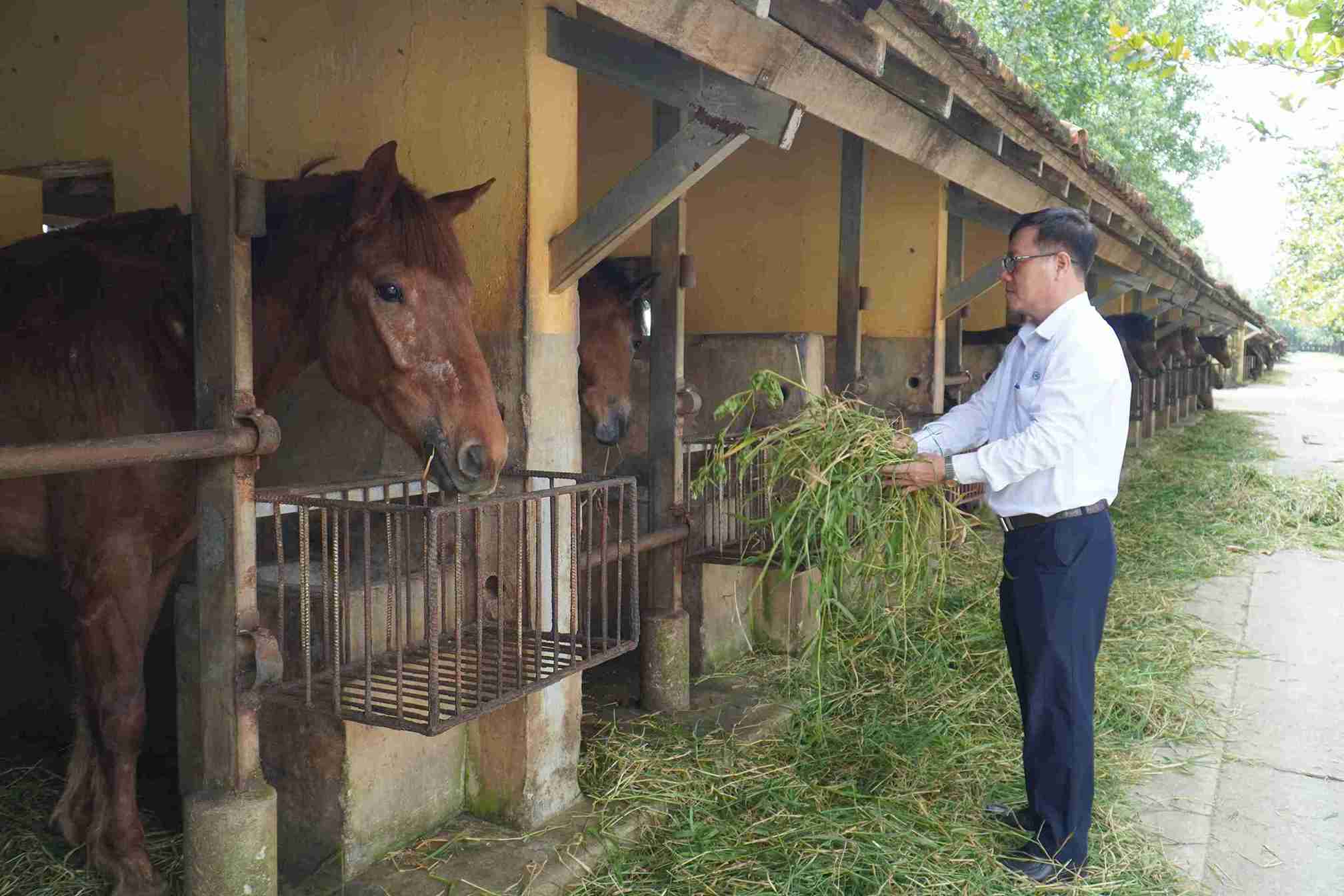
When the early morning mist was still lingering on the grass, each caregiver diligently cut the freshest bundles of grass to prepare breakfast for the herd.
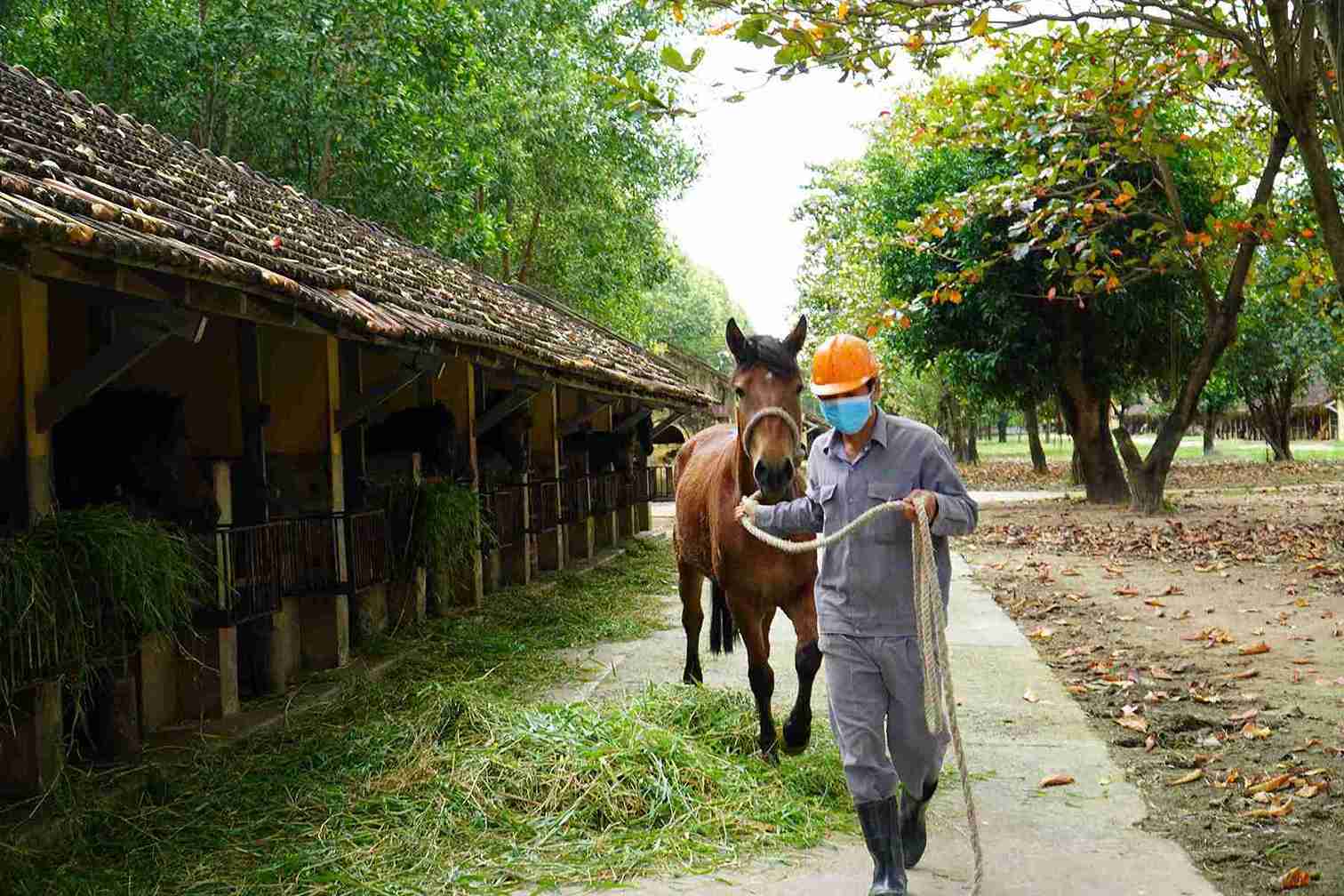
Each horse is raised separately in a separate stable, a row of stables stretching hundreds of meters, always cleaned.
According to the process, every day, a horse eats about 18–22kg of fresh grass and 2.5–3kg of concentrated feed, mixed from bran, rice, corn, soybeans, vitamins and other nutrient-rich components.
On sunny days, the herd of horses is released onto a tens of hectares wide grass field in front of the farm grounds to exercise and sunbathe naturally. In the afternoon, they are bathed and brushed thoroughly before entering dinner.
Mr. Nguyen Long Ho, a horse care staff at Suoi Dau with more than 30 years of attachment, said that horse feed must meet clean standards, from privately grown grass to water systems and stables that are cleaned regularly.
According to him, horses are very intelligent and emotional animals like warriors. "For dozens of Tet holidays, the farm staff took turns on duty day and night to be friends with the herd of horses.
Because only healthy horses can save people, so everyone tries. For us, taking care of horses is also part of the responsibility to the community," Mr. Ho said.
From horse blood to human life
According to MSc. Nguyen Van Minh, Head of Suoi Dau farm, the horse herd here is selected and cared for according to strict ISO/GMP standards, with a system of recording and archiving fully according to regulations.
Horses brought into the farm are carefully selected from domestic breeding facilities, meeting standards from 4–6 years old, weighing over 230kg, no defects, no diseases, meeting hematology and biochemical indicators.
When qualified, each horse is given a code, and a separate monitoring file is established, from health status to psychological factors, to serve the exploitation of serum.
That meticulous care is aimed at serving a big goal: producing serum to treat dangerous diseases such as tetanus, diphtheria, rabies and toxic snake venom.
When there are enough antibodies in the horse's blood to refine the serum, the farm will take blood at a rate of 1.5% of the horse's body weight.
On average, each horse is extracted serum for about 3-5 years, about 9 times per year.
The blood collection process is carried out according to the promulgated technical procedures, ensuring safety, humanity and not affecting the horse's health.
After taking blood, the staff will perform plasma separation according to strict control procedures; collect specific antibodies, meeting quality requirements.
With the current scale of the horse herd, Suoi Dau farm supplies over 12,000 liters of raw serum per year to IVAC for refining and production of serums to serve disease prevention, control and treatment.
In 1999, IVAC succeeded in producing the first anti-cobra and bamboo rat venom serum in Vietnam.
Since then, IVAC's serum products have not only met domestic demand but also expanded to the regional market, contributing to saving tens of thousands of people bitten by venomous snakes.
Few people know that Suoi Dau farm is a special scientific heritage, founded by Dr. Alexandre Yersin in 1896.
More than a century has passed, this place still quietly continues the path he once opened: using science to protect people.
In the atmosphere of Binh Ngo Spring - the Year of the Horse, amidst the bustling streets welcoming Tet, in Suoi Dau, the "horse warriors" still silently perform their mission every day.
Without noise, without aura, every drop of blood from their healthy bodies continues to be converted into precious serums, contributing to keeping people alive.


