The path of blood and flowers
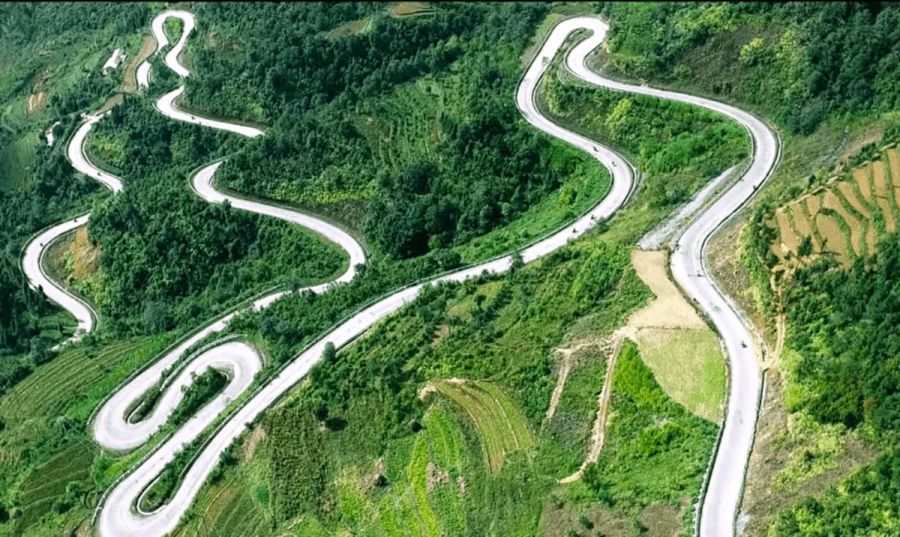
The Happiness Road, also known as National Highway 4C, 185km long, connecting Ha Giang town in the past with highland districts such as Dong Van, Meo Vac, was built in extremely difficult circumstances. In 1959, when Ha Giang was still a remote land, heavily divided by high mountains and deep abysses, moving between districts was almost impossible. To remove this difficulty, the government decided to start construction of a road connecting those remote lands. And it was the youth volunteers from the northern provinces, along with thousands of local civilians, who decided to create a miracle.
Named "Hanh Phuc Road" by Uncle Ho in 1965, this road has become a legend of sacrifice and will to rise above harsh nature. More than 1,200 youth volunteers braved the sun, wind, cold, or dangers from cliffs and abysses, to stick to the construction site day and night, using rudimentary tools such as hammers, crowbars, and explosives to break rocks and dig roads.
Amidst hardship, faith in the future
In the summer, they work in the scorching sun, in the winter, they work in the biting cold of the highlands. Meals are sent up by ropes, winding slopes, dangerous high passes are not small challenges. But with the slogan "Nothing is difficult, only fear of unstable hearts," those young people are still steadfast in overcoming all difficulties. They not only build a road but also build a great belief in the strength of labor, in a better future that that road will bring to future generations.
One of the most difficult challenges is the Ma Pi Leng pass section, where more than 30 youth volunteers had to hang themselves on vertical cliffs for 11 months to complete 20km of road. The Nho Que stream at the foot of the pass is like a abyss, always lurking with danger. But no one flies back. They have turned dangers into motivation, and it was in those dangerous moments that they proved the extraordinary strength of the spirit of labor, determination and solidarity.
Labor - the road to happiness
Today, standing on the Road to Happiness, we not only admire the wonderful beauty of nature but also feel what previous generations had to sacrifice. This road is not only a traffic route but also a symbol of resilience, of unconditional sacrifice for the community, for a better future.
The Road to Happiness is proof that happiness is not something easy to get. Happiness is built from sacrifices, from tireless labor efforts, from wholehearted dedication to a common goal. Looking back at the journey of youth volunteers, we realize that happiness comes not only from luck, but is the result of what we put in, unremitting efforts, and faith in the future.
Happiness is not something distant, but the result of sweat drops falling from diligent hands, from silent sacrifices that each of us can contribute. The Happiness Road, since it was opened, has proven that with determination, will, and perseverance, we can overcome all difficulties and build a brighter future.
Happiness is a journey, not a destination
Today, when Happiness Road has become a famous tourist destination, images of youth volunteers, of civil workers of the past still live in the hearts of those who came here. Not only is it a symbol of sacrifice, this road is also proof that the strength of labor and solidarity can bring about miraculous changes.
Each step on this road, we not only pass through majestic natural scenes but also step through a part of history, step through the dreams and hopes of people who have worked selflessly to build the country. And above all, the Happiness Road reminds us that happiness is not a destination, but a journey full of challenges and hardships. That road, with all sacrifice, determination and love for the country, is the road to happiness.