
Material vein blockage
On April 24, at the April press conference, Mr. Phan Vinh Thanh - Deputy Director of the Department of Construction of Dong Thap province said that Dong Thap has 26 key transport projects in the 2021 - 2025 period, with a total investment of more than 21,857 billion VND. Although 18 projects have been completed, there are still 8 projects under construction and preparing for investment. In parallel, Dong Thap also participates in coordinating the implementation of a series of important expressway projects such as My An - Cao Lanh, Cao Lanh - Lo Te, My Thuan - Can Tho, Ho Chi Minh City - Trung Luong - My Thuan route (expanded) and Rach Mieu 2 bridge. The Cao Lanh - An Huu expressway (phase 1) - a strategic horizontal axis - has reached over 73 - 74% of the volume, but the disbursement rate in 2026 is still low (only from 3.58% to 4.77%).
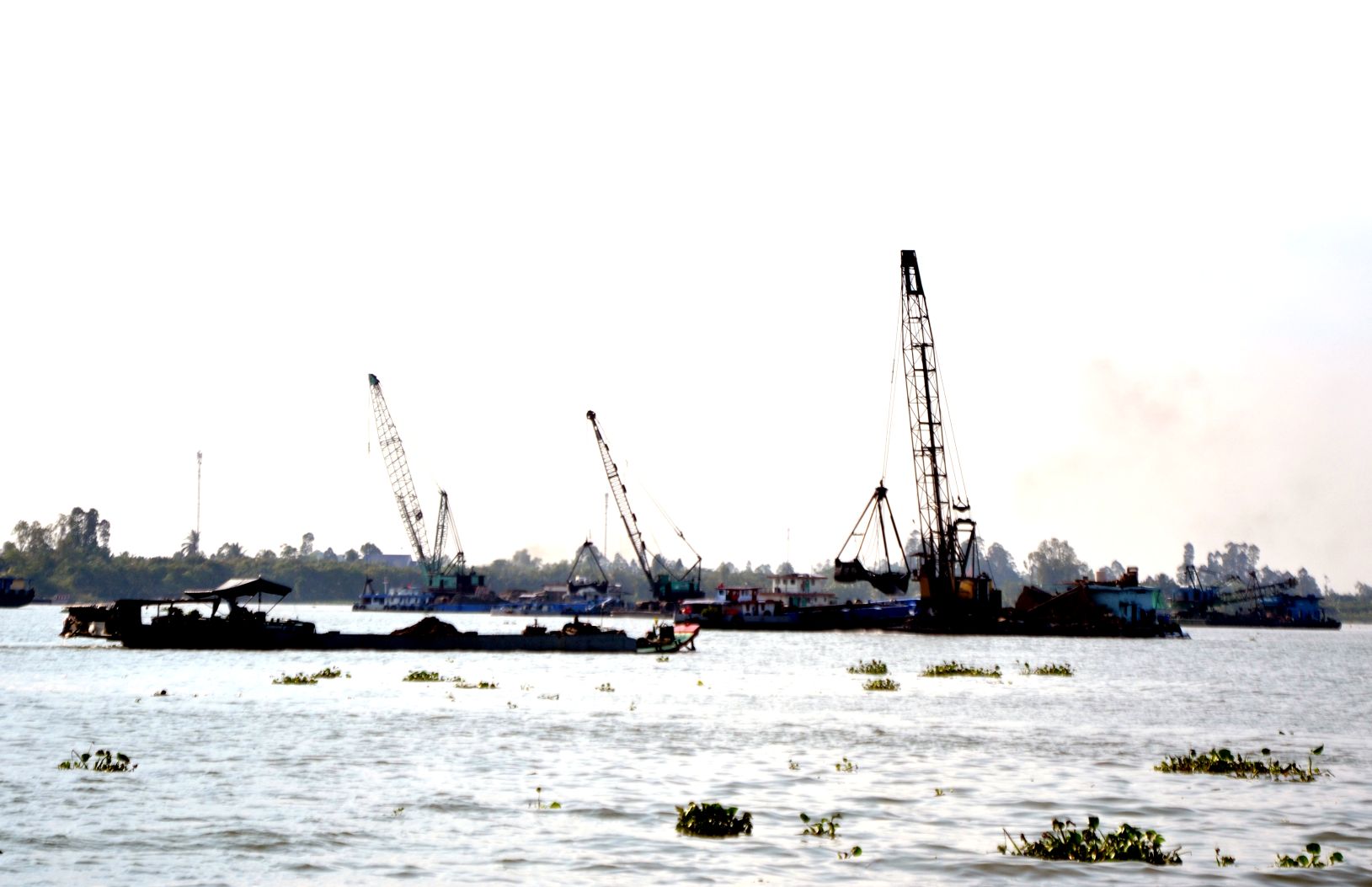
The simultaneous implementation of these two groups of projects has created overlapping pressure, revealing bottlenecks in materials. It can be said that difficulties in construction materials, especially sand filling and rock, are becoming a strategic problem. The core reason comes from the fact that the current material source is prioritized for vertical and horizontal expressway projects invested by the Central Government. This puts many provincial-level projects in a position of "giving way", facing the risk of delays even though they are ready for construction.
Also in this report, a noteworthy detail is the proposal to swap more than 43,700 m3 of stone from Tra Duoc Lon mine to Antraco mine (An Giang). This is not only a technical solution to ensure the quality of hot asphalt concrete, but also reflects Dong Thap's flexible and proactive approach in coordinating cross-provincial resources.
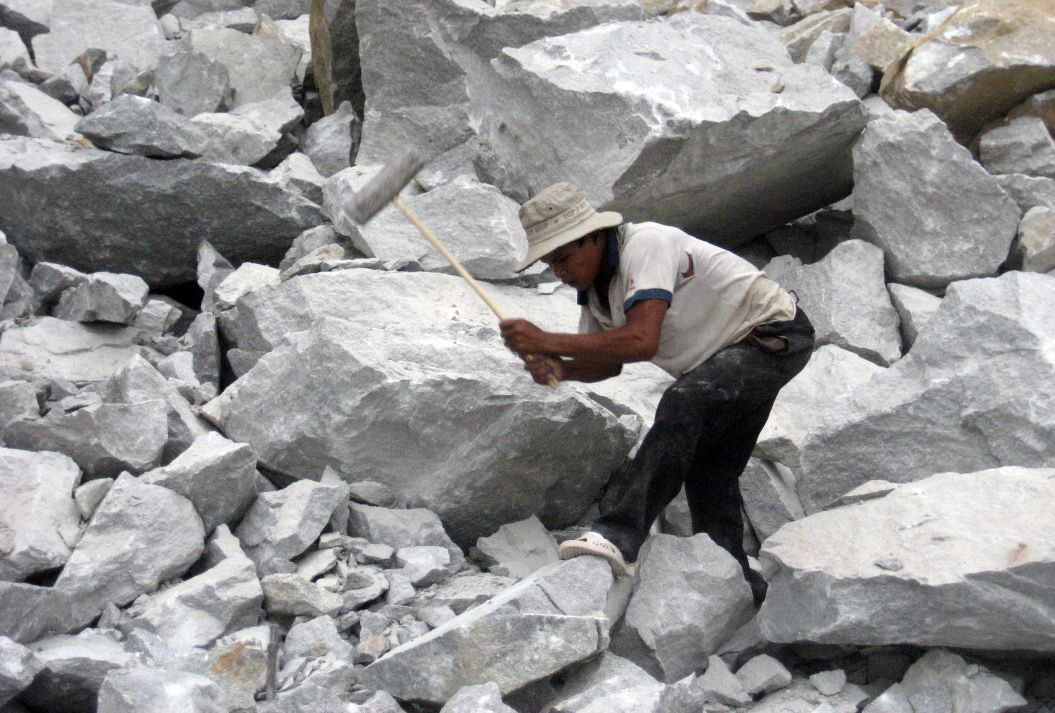
The story of "exchanging stones" shows a reality: construction materials are becoming "blood vessels" of infrastructure, and when this vein is blocked, all projects are affected. This poses a greater requirement for long-term planning of material mines, as well as inter-provincial coordination mechanisms to avoid chasing after individual projects.
Also according to the Deputy Director of the Department of Construction of Dong Thap province, the problem does not stop there, fuel price fluctuations are also creating double pressure, causing construction costs to increase and reducing the proactiveness of contractors.
Land barriers" and the weak soil problem
If materials are "blood vessels", then the ground and geology are the "bottleneck" for some traffic construction projects in Dong Thap. According to Mr. Thanh, some projects are facing obstacles that seem small, but are prolonged. For example, the Cao Lanh inner-city bypass on National Highway 30 still has 5 households that have not been relocated at locations such as Ba Cho bridge, Ong Kho 2 bridge, or Phong My commune intersection.
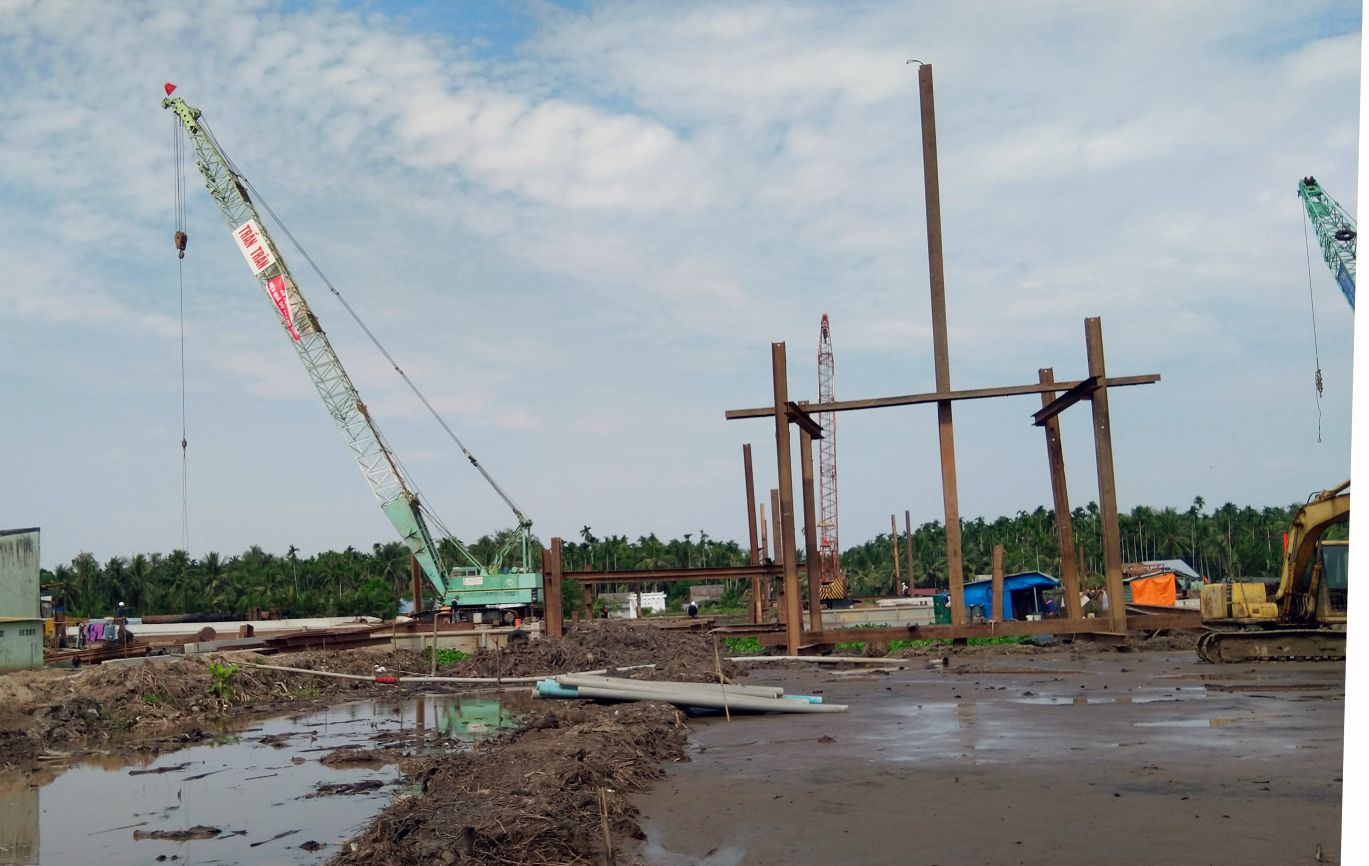
Similarly, the road project on both banks of the Bao Dinh River is also facing many households and electricity infrastructure has not been relocated. These are "hot coordinates" not only in terms of technology but also in terms of sociology - where people need consensus to clear ground, instead of just relying on administrative orders.
From another perspective, geological factors also pose a specific challenge to the Mekong Delta region. At the Cao Lanh - An Huu expressway project, the section passing through the weak soil area is forced to be loaded for a long time. This is a mandatory process to stabilize the soil foundation and avoid subsidence later.
This explains why there are times when the construction site is "silent", not because of lack of determination to construct, but because it is waiting for the ground to reach stability according to technical observation.
Meanwhile, disbursement pressure is still present. In 2026 alone, the disbursement rate only reached about 7.79%, creating a "dismatch" between financial requirements and actual construction.
Unblocking the infrastructure "flow
To remove bottlenecks, Dong Thap is implementing many synchronous solutions" - Mr. Phan Vinh Thanh said. Regarding the site, the province proposes to strengthen the role of the Land Fund Development Center, closely coordinate with localities to mobilize the remaining households to hand over land. At the same time, it requests investors to proactively relocate technical infrastructure to avoid the situation of "waiting for each other" between stages.
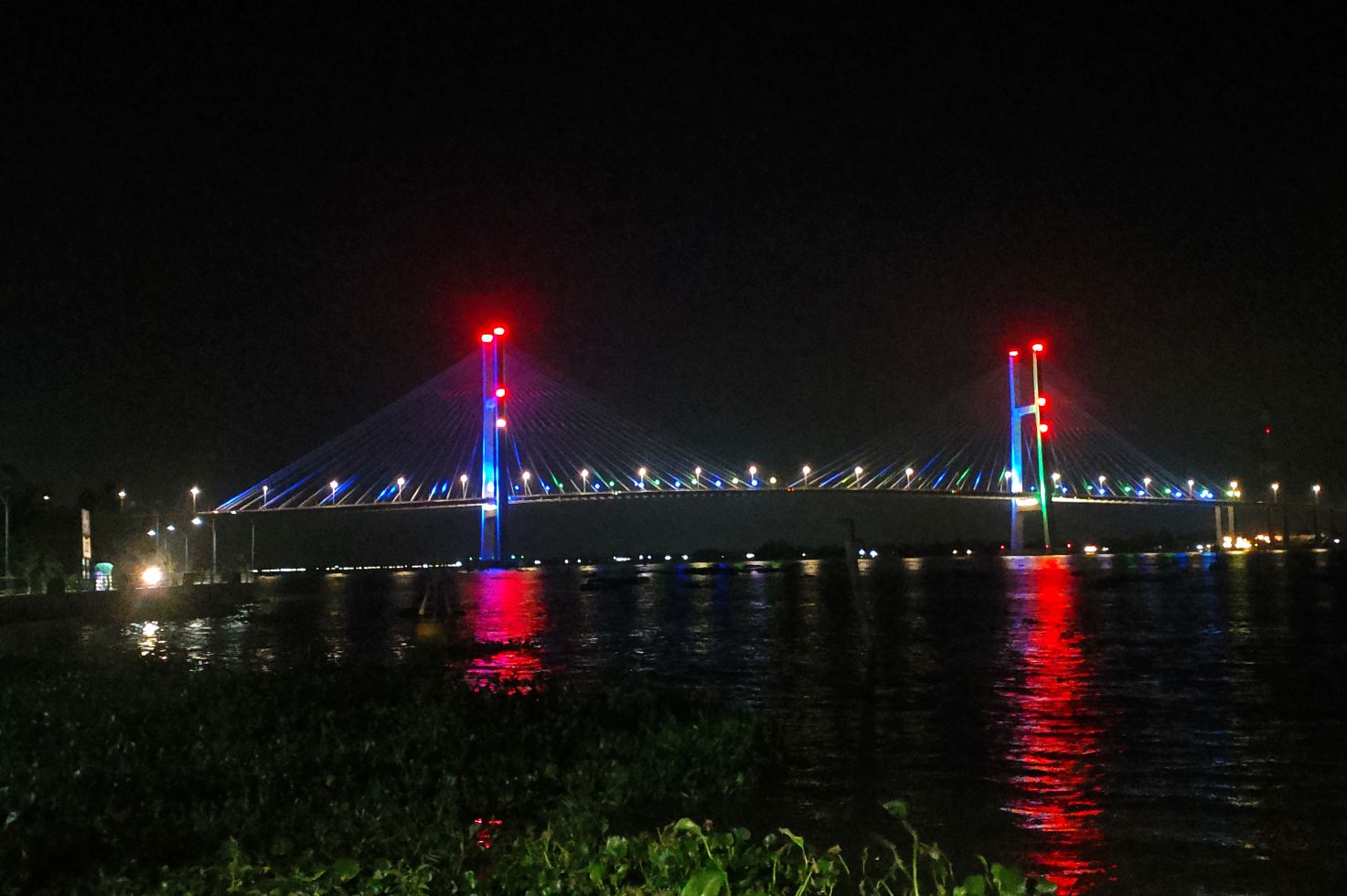
For materials, the direction is identified as expanding regional linkages - from working with An Giang in stone exchange, to finding supply sources from neighboring provinces, and at the same time accelerating exploitation and prioritizing allocation for key projects.
At the same time, closely monitoring fuel price fluctuations to promptly advise on contract adjustments is also considered a necessary solution to reduce pressure on contractors.
It can be seen that the two "hot spots" of materials and ground are not only individual obstacles, but are intertwined, directly affecting the progress of the entire project system. Identifying and handling these bottlenecks correctly will determine the ability to "clear" the infrastructure flow - a key factor for Dong Thap to accelerate in the coming period.


