
Vocational training associated with actual needs
To effectively implement the National Target Program for Socio-Economic Development of Ethnic Minorities and Mountainous Areas in 2025, Dam Rong 2 Commune has proactively surveyed and grasped the vocational training needs of local people.
On that basis, since the beginning of October 2025, the locality has opened appropriate vocational training classes such as agricultural machinery repair, construction and stone paving.
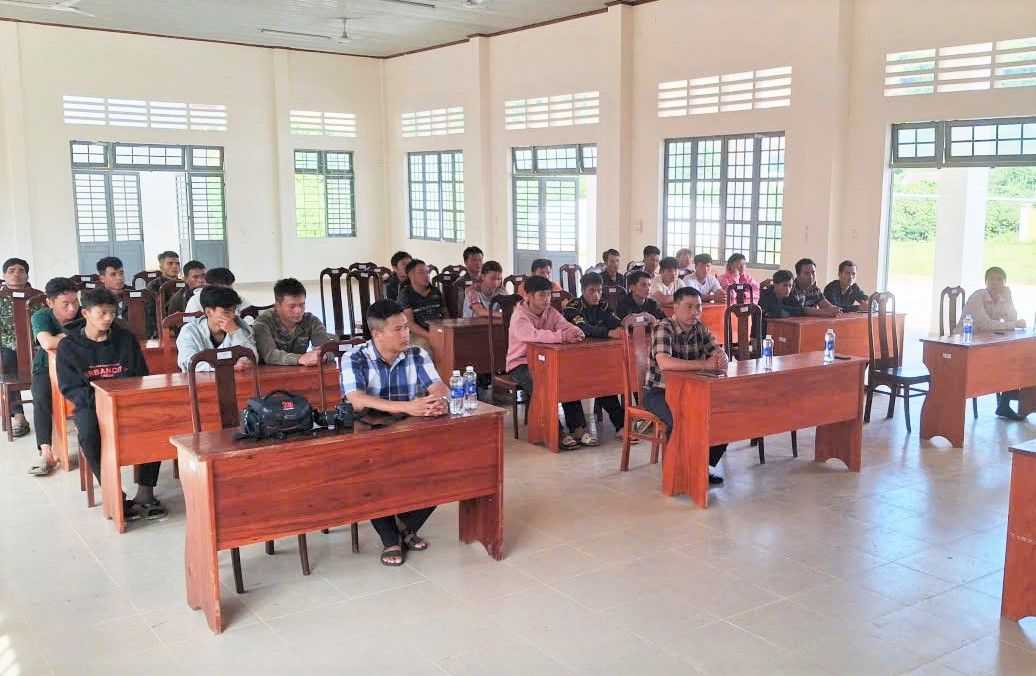
Before the opening ceremony, the list of students was carefully reviewed, ensuring the right subjects according to regulations. Of which, the agricultural machinery repair class attracted 19 students; the brick and stone paving and embankment class had 16 students participating.
Organizing vocational training classes associated with actual needs is considered a synchronous step in the effort to eliminate hunger and reduce poverty in ethnic minority areas of Dam Rong 2 commune.
After the course, people are also given access to preferential loans to develop household economy and expand production.
The loan documents and procedures are specifically guided by the grassroots staff. The loans will be disbursed quickly by the Social Policy Bank if the student meets the conditions to receive them.
Mr. Duong Tat Phong, Vice Chairman of the People's Committee of Dam Rong 2 commune, said that with the characteristics of a purely agricultural commune, when deciding to open a vocational training class, the locality always proactively grasps the needs of the people.
"Vocational classes are only implemented when they are truly practical and effective. Through training, people can repair agricultural machinery themselves, build works to serve their lives, thereby developing the family economy" - Mr. Phong added.
Practical effectiveness
The story of vocational training for rural workers requires synchronous coordination between the government, agencies, organizations and the people themselves.
In reality, in the past 5 years, many rural workers in the old Dam Rong district have accessed preferential loans to develop the economy according to many different models. Thanks to that, the locality has reduced the number of poor and near-poor households, completing the Resolution targets for the period 2021 - 2025.
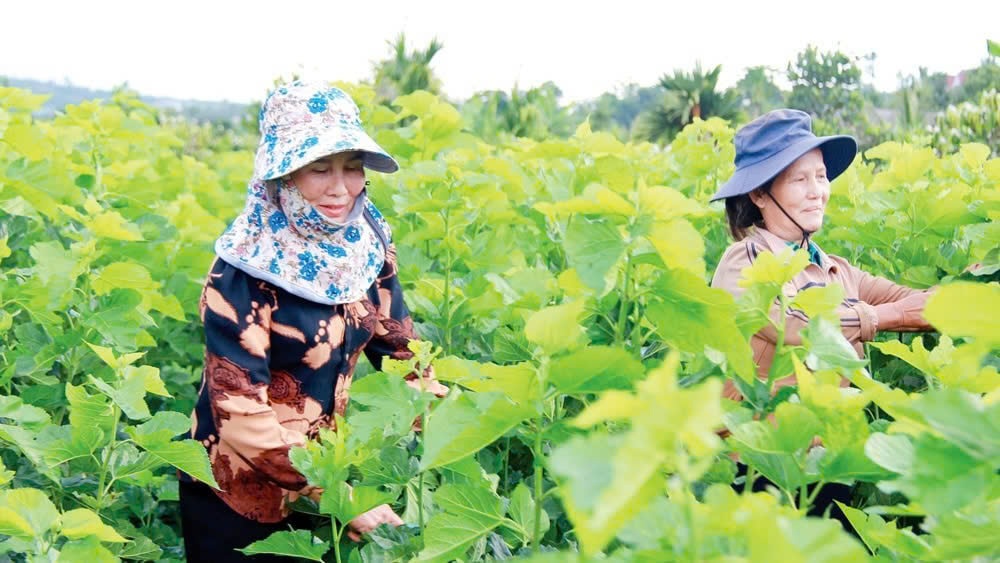
In 2025 alone, after implementing the 2-level government model, Dam Rong 2 commune has opened vocational training classes associated with practical needs such as durian care techniques, mulberry growing - silkworm raising. Currently, the whole commune has 9 people going abroad to work and 364 workers working outside the locality.
Mr. Lu Seo Chang (village 5, Dam Rong 2 commune) said that his family has 2 hectares of coffee so they use many machines such as tractors, pumps, generators...
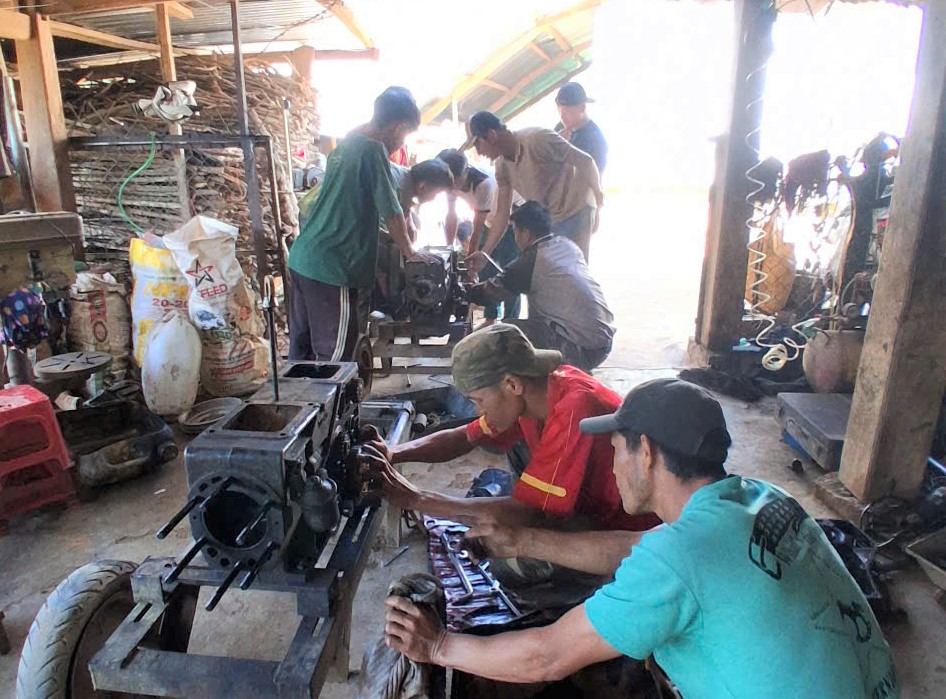
"Working on the machines is the main task, so I have to proactively learn a trade. After the agricultural machinery repair course, I fixed the damaged machinery myself, saving money for my family. In particular, I also borrowed preferential capital to buy craft items to repair machines for people, to earn more income, Mr. Lu Seo Chang shared more.
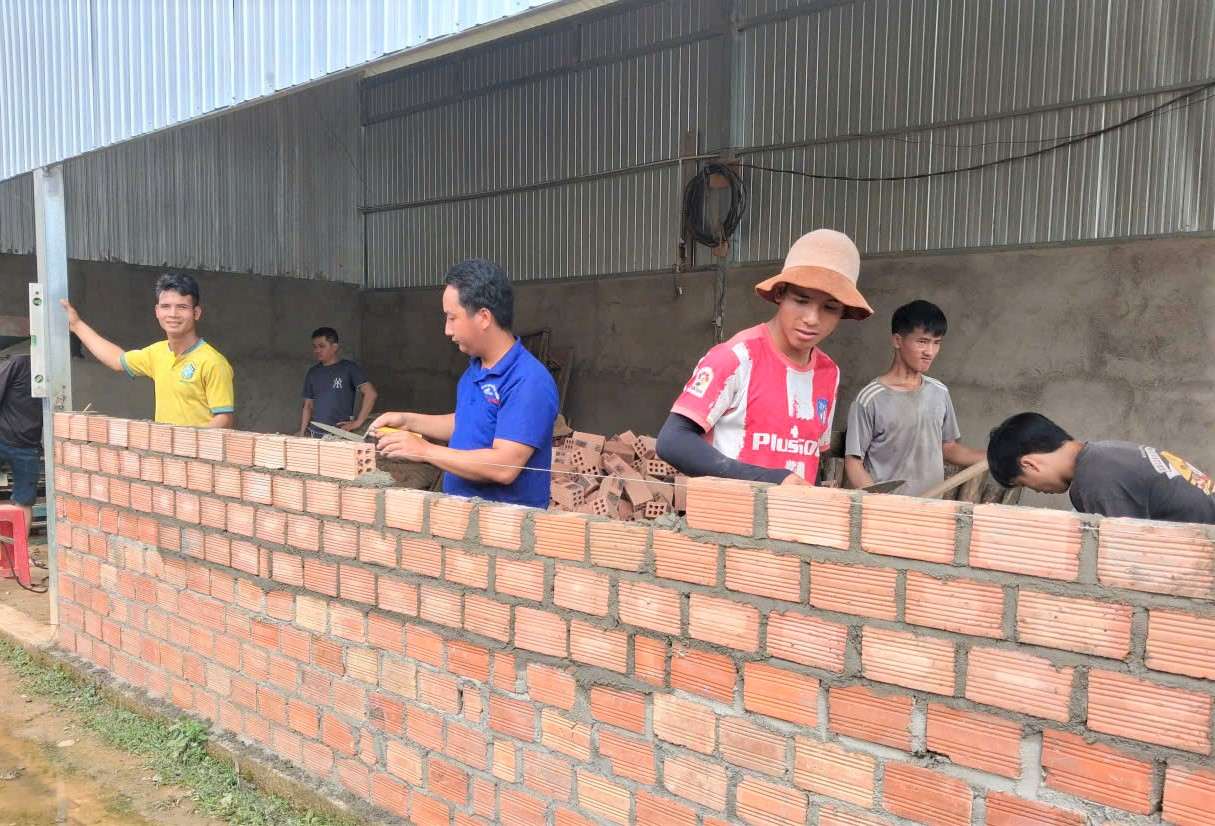
Similarly, Mr. Yuk Ro La Y Par (Dam Rong 2 commune) attended a brick and stone carving class. "With the job in hand, I can build small projects for my family. In my free time, I work as a construction worker to increase my income," he said.
After the training courses, local Party committees and authorities continue to strengthen inspection and supervision, focusing on quality to learn practical experience, and at the same time evaluate the effectiveness of vocational training for rural workers.
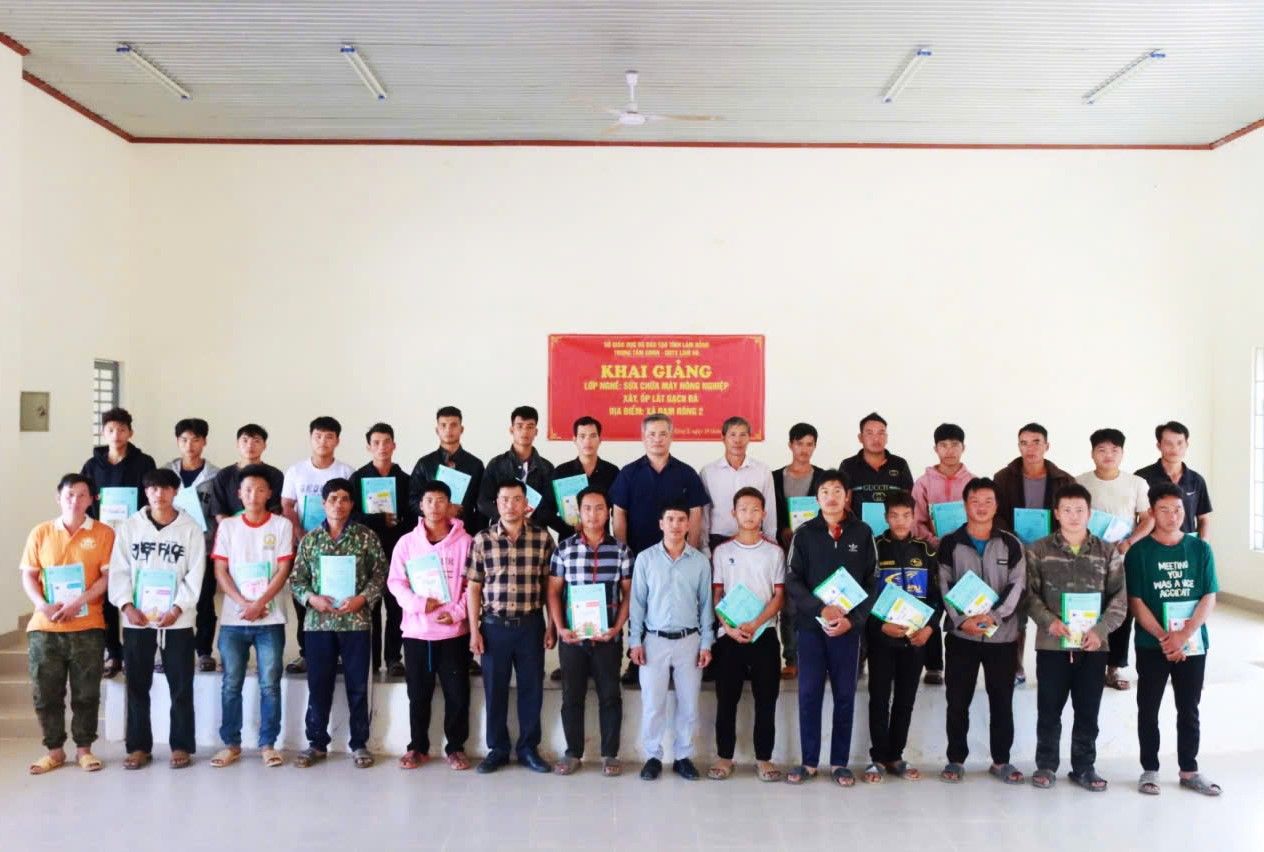
Currently, Dam Rong 2 commune is developing a vocational training plan to suit market demand and the socio-economic development orientation of the locality. Thereby, meeting the needs of vocational training and job search of people.
Mr. Hoang Huu Trung - Head of the Department of Culture and Social Affairs of Dam Rong 2 commune - affirmed: "We are assigned the task of organizing vocational training for rural workers. This is a strategic goal to ensure sustainable livelihoods and income for the people".
The locality is also finalizing policies on human resource development, agricultural restructuring and rural economy; at the same time, researching and implementing vocational training programs until 2030 in conjunction with national target programs for the period 2021 - 2030.


