
Bus space after 10 PM
Currently, most bus routes in Ho Chi Minh City end operations at about 7 pm - 8 pm, while only some Metro Line 1 connecting routes maintain until about 10 pm. In addition, there are some tourist bus routes using open-top cars operating after 10 pm.
Mr. Nguyen Van Binh (35 years old, residing in Hiep Binh ward) said that the City is orienting the development of the night economy, but the bus system has not kept up with the pace of urban life.
Evening shift workers, young people going out, people who want to travel economically or safely after 8 pm almost have no choice but personal cars or technology cars. Why can't buses operate until 10 pm, 11 pm or even after 0 am on some high-demand routes?" - Mr. Binh raised the issue.
Not only people, tourism businesses also believe that developing buses after 10 pm is necessary.
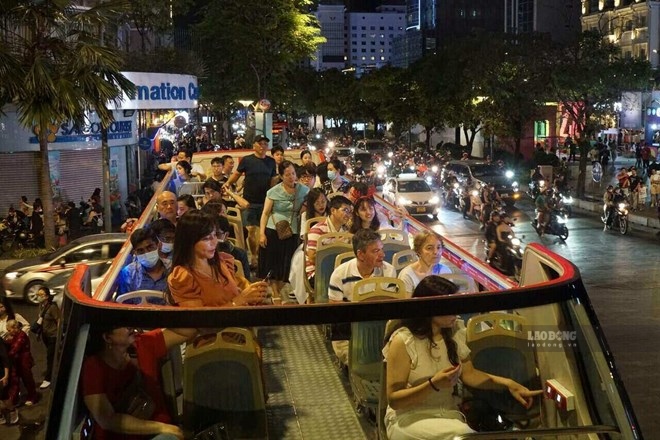
Talking to Lao Dong Newspaper, Ms. Tran Thi Bao Thu - Marketing - Communications Director of Vietluxtour Company - said that reality from travel activities shows that city tours, culinary tours, art performances or yachts usually end at around 9:30 PM - 10:30 PM.
After this time, the travel demand of tourists is still very large, especially international tourists, self-sufficient tourists (FIT), MICE tourists and those who continue to experience nighttime economic activities.
Meanwhile, most bus routes currently end operation around 10 PM, creating a gap in traffic connection.
To avoid spreading investment, Ms. Thu proposed that the City should pilot night buses based on analyzing travel demand data, focusing on routes connecting airports, metro stations, bus stations, hotel areas, pedestrian streets, food areas and night economic development points.
The first phase may prioritize the time frame from 10 PM to 1 AM, then adjust according to the actual number of passengers.
Ms. Thu cited the experience of Seoul (Korea), where the Owl Bus night bus system is built on the basis of big data analysis on nighttime travel demand and continuously adjusts routes and frequencies according to the actual number of passengers.
According to Ms. Thu, the success of night buses does not lie in the number of routes or operating hours, but in attracting more passengers, helping tourists stay longer, spend more and feel safe when exploring the city at night.
If organized reasonably, night buses are not only a means of transport but also become a part of urban tourism products, contributing to promoting sustainable night economy development" - Ms. Thu said.
Increase evening trips to connect to the metro
At the seminar "The problem of reducing traffic congestion in Ho Chi Minh City" recently, Mr. Pham Ngoc Dung - Director of the Ho Chi Minh City Public Transport Management Center - said that the policy of 100% toll exemption on 134 bus routes is a starting point to reduce travel costs and encourage people to switch from private cars to public transport.
In July 2026, the bus system served more than 8.48 million passengers, an increase of about 39% compared to the same period, showing that the policy initially brought positive effects.
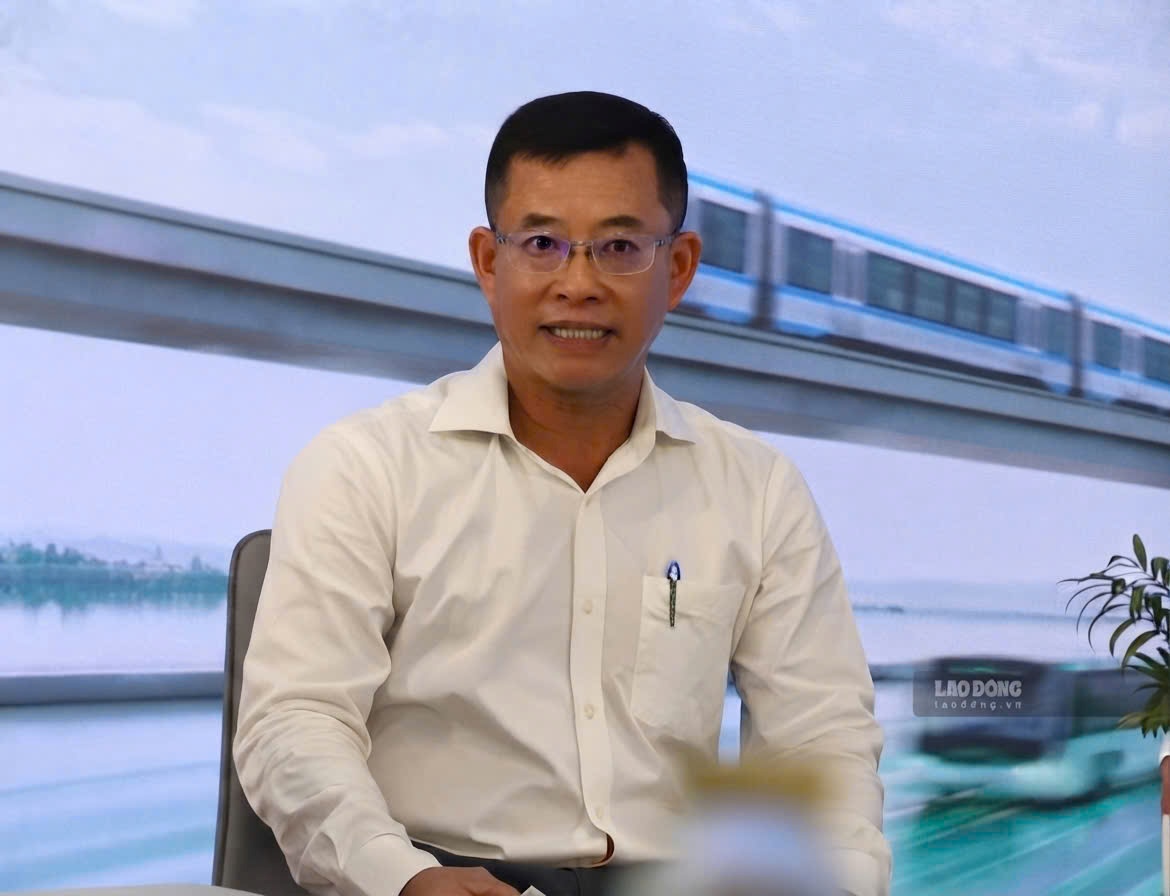
However, according to Mr. Dung, to retain passengers for a long time, the City needs to continue to improve service quality and improve the network instead of just relying on the free ticket policy.
Mr. Dung said that the bus schedule in 2026 has had more trips operating after 8 pm than in 2025. For the time frame from 9 pm to before 10 pm, the number of trips increased by 147%; after 10 pm increased by 258%.
The addition of evening bus trips helps extend connectivity with Metro Line 1, especially in the period from 8:30 PM to before 10 PM.
According to Mr. Dung, in the coming time, Ho Chi Minh City will continue to reorganize the bus network to suit travel needs and infrastructure conditions in each area; develop small buses, and study piloting demand-driven transportation services (DRT) to connect residential areas with main bus routes and metro stations.
In addition, the City will strengthen connectivity between buses, Metro No. 1, river buses, public bicycles and other modes of transport; adjust the frequency of operation during peak hours, evenings and morning and evening trips.
In parallel with completing the network, Ho Chi Minh City will also continue to invest in access infrastructure such as waiting rooms, stops, walkways, lighting systems, signposts, parking lots, taxi and technology car pick-up points at stations and transfer points, aiming for people to have access to public transport within a walking radius of about 300 - 500 m.


