
White sand surrounds, fields are buried
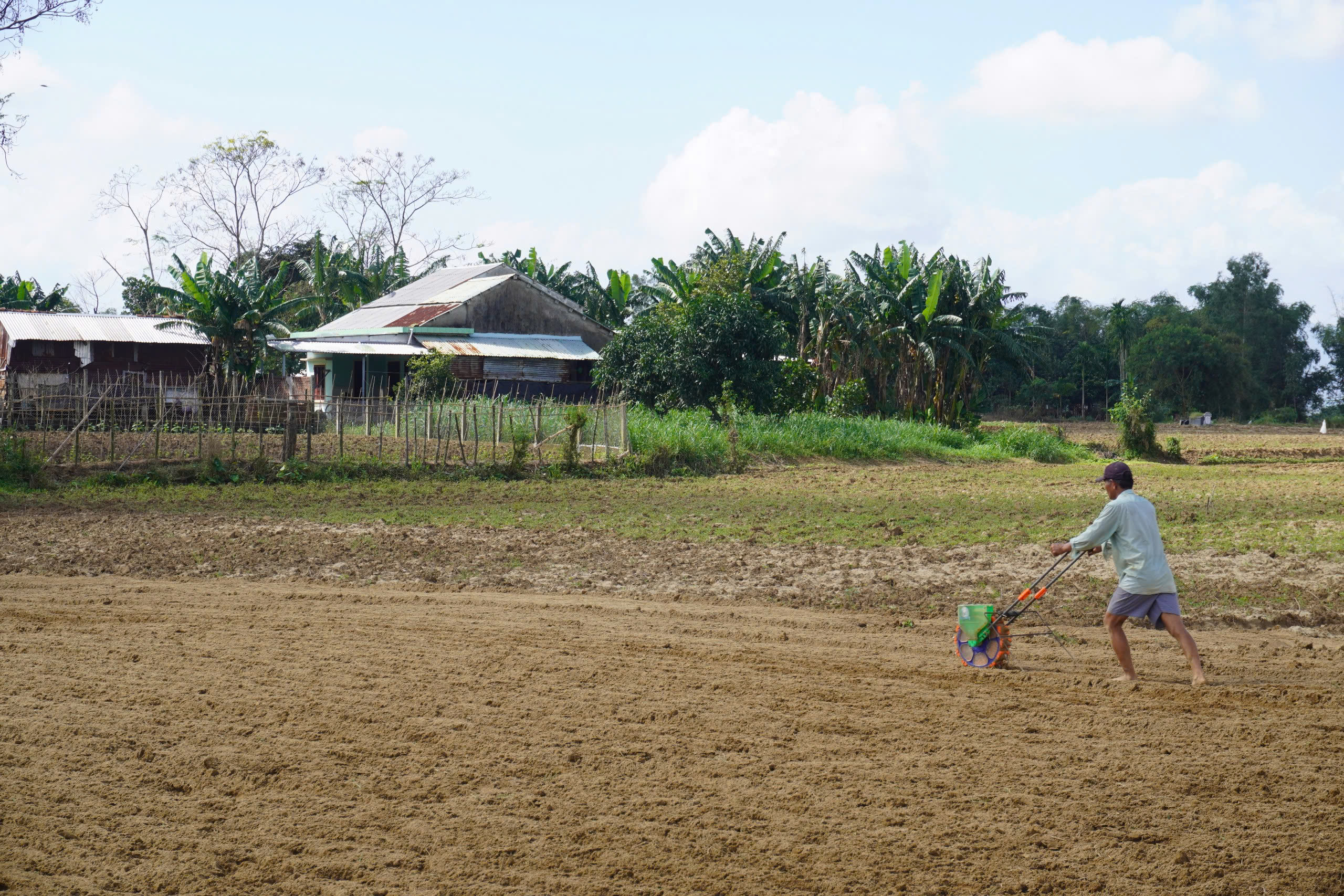
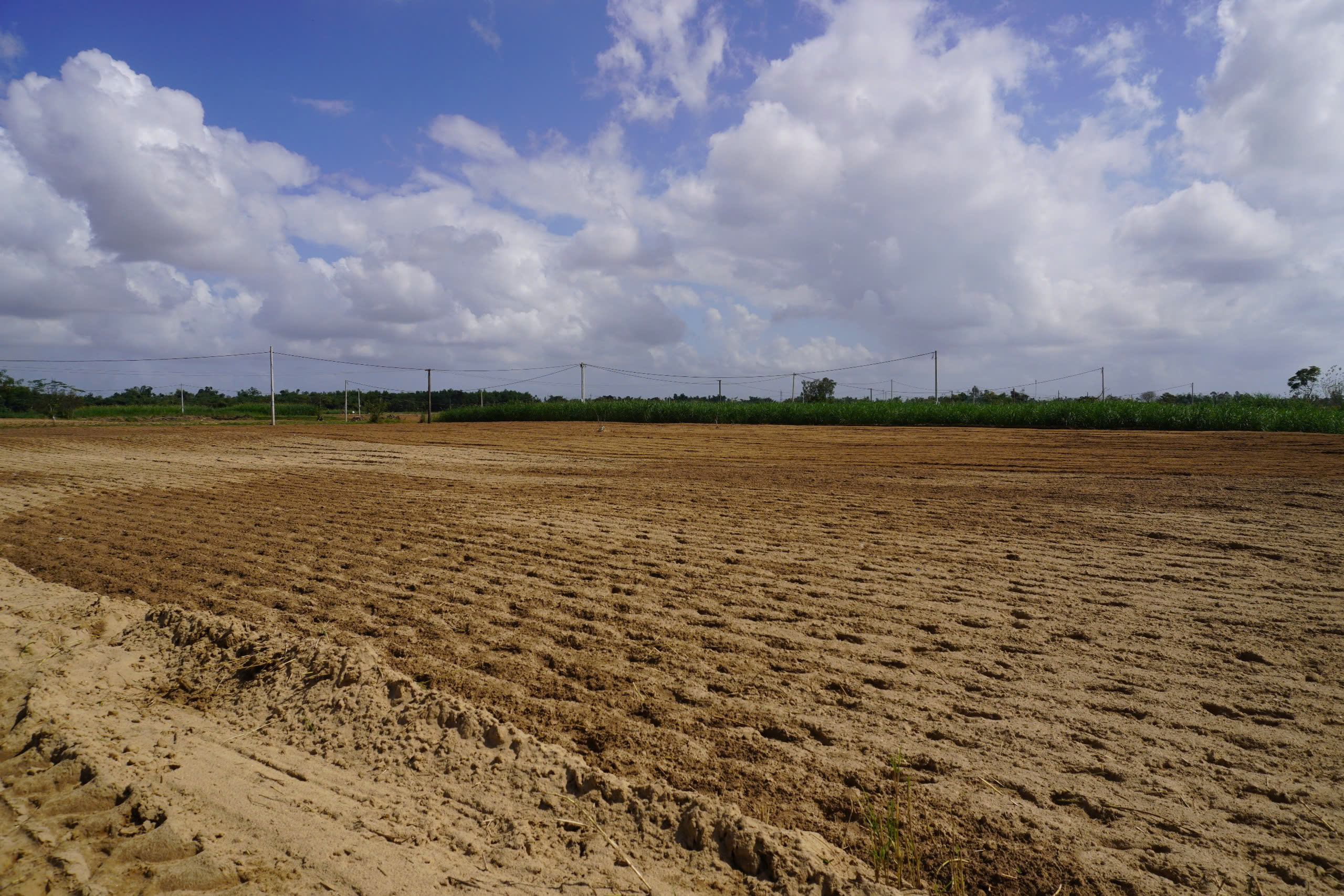
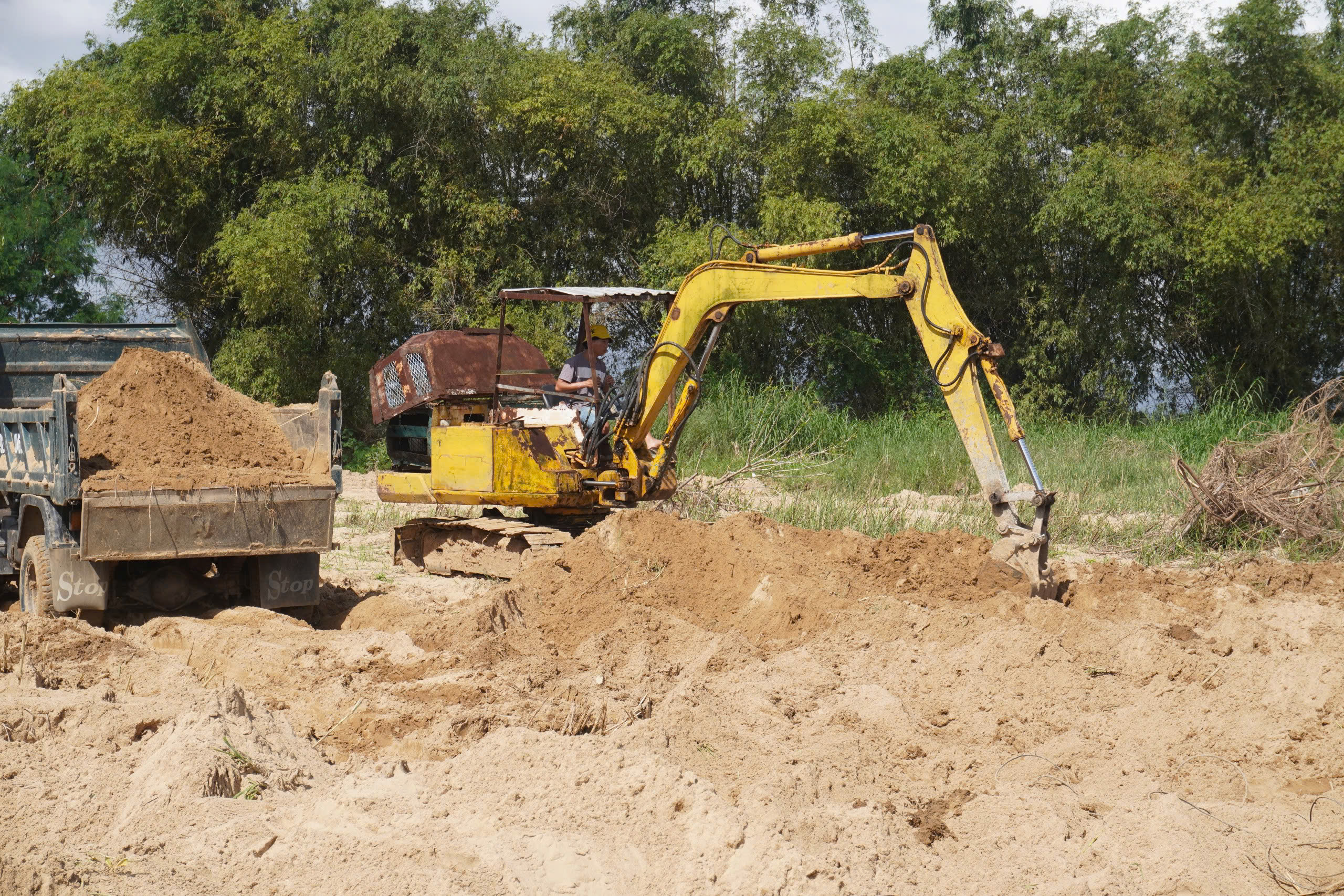
In Go Noi commune (Da Nang city), the image of the green fields of the past are now just vast white sand dunes. After the recent flood, the sedimented sand layer from 0.5m to more than 1m thick has temporarily "killed" the cultivation capacity of the people. Under the harsh sun, even at noon, excavators and trucks are still working diligently to remove the sedimented sand layer, returning the surface soil to the fields. The heartache is evident on the faces of farmers who have been attached to the fields for a lifetime.
Mr. Truong Phung Dieu (farmer in Go Noi commune) was shocked: "My family has a total of 9 sao of rice fields, but the recent flood has alluviated 5 sao. Looking at our main production material being completely buried, we are really worried about the upcoming livelihoods. We really hope the city will soon have directions to level the ground, helping people regain land for business.
Sharing the same situation, Mr. Huynh Van Huu (farmer in Go Noi commune) quickly cleaned up the ground and shared about the abnormality of this year's natural disaster. According to Mr. Huu, the sediment layer is too large, making manual reclamation impossible.
There is a lot of siltation, now talking about meters, I don't know how many meters to tell. Previously there were also floods, but siltation in other areas, this year it is concentrated here. Currently, machinery is urgently leveling to create ground, hoping to restore crop land in time, not normal rice fields anymore so that people can still plant in time," Mr. Huu confided.
Racing seasonally
Faced with the urgent situation in the fields, at the beginning of January, Vice Chairman of the City People's Committee Tran Nam Hung chaired an urgent meeting with departments and branches to find solutions to handle it. Reporting at the meeting, leaders of the Department of Agriculture and Rural Development said that they had advised the city to issue specific directives to restore production. However, the biggest bottleneck currently lies in the implementation cost and the plan to handle the volume of soil and sand collected.
In Thuong Duc commune, about 3,000 m3 of collected sand is of poor quality, mixed with gravel and rock, so the locality proposed to take advantage of reclaiming low-lying areas on the spot instead of auctioning to speed up progress. Meanwhile, in Vu Gia commune, although people have been mobilized to self-reclaim 120 hectares, there are still deep siltation areas that require specialized machinery for construction for many days.
To definitively solve this situation, Vice Chairman of the City People's Committee Tran Nam Hung emphasized: "Restoring production land for farmers is an urgent task, it must not be delayed. Localities must organize leveling and improving fields immediately for people.
City leaders affirmed that after collection, the volume of alluvial sand and soil will be assigned to the commune-level People's Committee to organize public auctions to exploit resources and compensate for implementation costs. In particular, Da Nang city leaders directed that no locality is allowed to use the excuse of lack of budget to delay support for people.
Communes need to proactively review budget estimates, in case of difficulties arising beyond their authority, summarize them so that the city can consider timely support from funds to overcome the consequences of natural disasters. The highest goal is to return clean land to farmers to sow in accordance with the Winter-Spring crop framework 2025 - 2026, not to let fields be abandoned due to "stuck" with procedures or lack of investment capital for renovation.


