
Changing awareness among people
Ea Rieng commune is an area with a large number of ethnic minorities, people's lives mainly depend on small-scale agricultural production. Of which, village 20 is a particularly difficult hamlet of the commune, with about 96% of the population being Mong ethnic people.
According to Mr. Giang Seo Chu (45 years old) - Head of Village 20, the work of mobilizing people to participate in vocational training classes, especially animal husbandry, is still facing many obstacles.
The main cause comes from long-standing production practices and limited awareness of a part of the people.
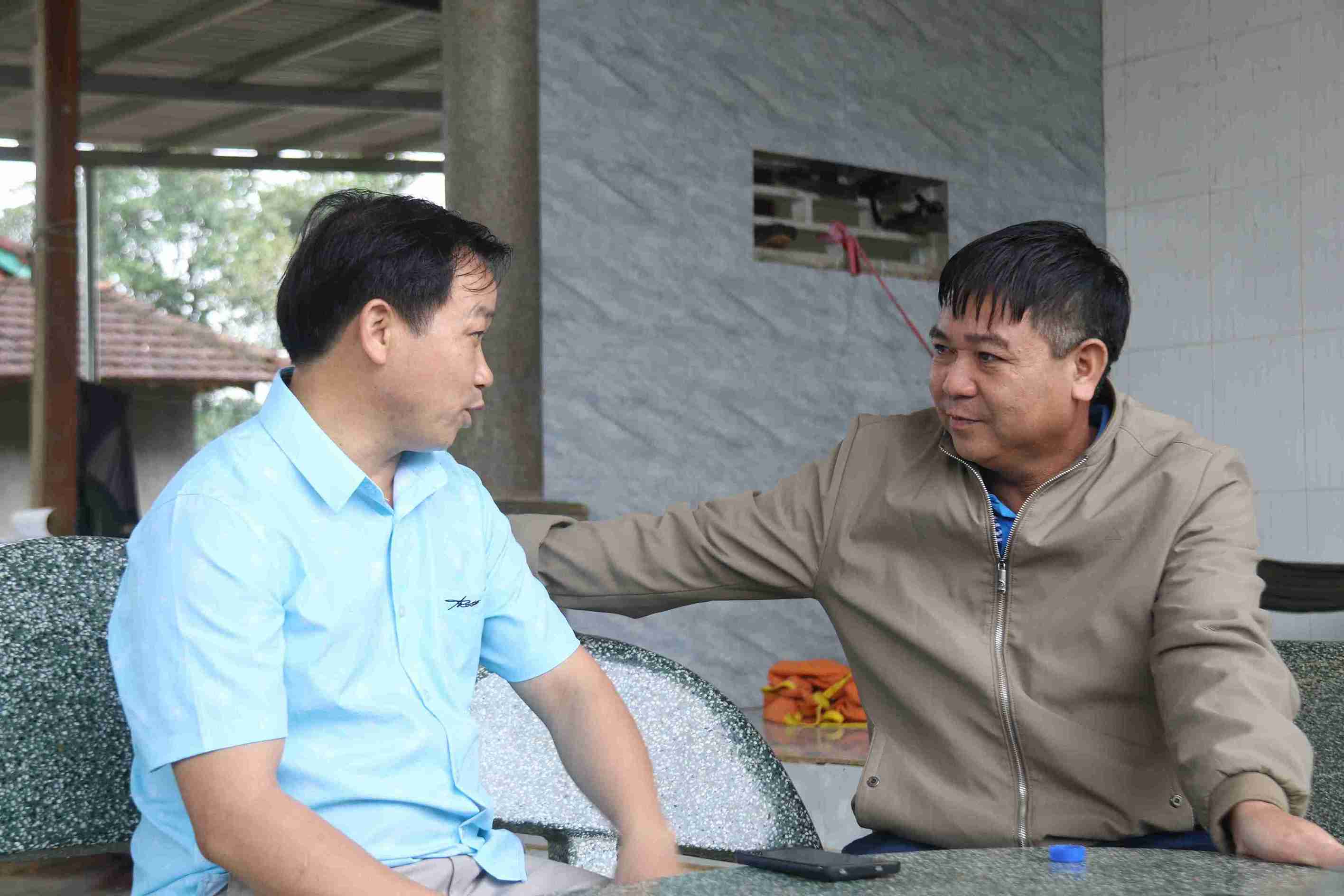
Many households do not clearly see the role of household economy, do not fully understand the meaning of vocational training to improve their lives. Instead of investing in vocational training, people often choose to work seasonally to earn an immediate income, Mr. Giang Seo Chu shared.
In reality, hiring workers brings in a quick but unstable source of income, while vocational training to develop on-site production is not popular with many people. This makes it difficult to mobilize the opening of vocational training classes at the grassroots level.
Among the young people with progressive thinking in village 20, Mr. Lu Seo Lu (33 years old) is an example.
Mr. Lu said that in November 2025, he and Mr. Giang Seo Chu participated in mobilizing young people in the village to register for a pig farming training course organized by the Department of Culture - Social Affairs in coordination with the Center for Vocational Education - Continuing Education of M'Drak.
However, Mr. Lu also frankly admitted that the pig farming profession was not really suitable for his conditions and orientation.
From that reality, he hopes that in the coming time, the locality will open many other vocational training classes such as mechanical engineering and farming so that people have more suitable options, thereby proactively registering to participate in vocational training.
Propaganda to the places, mobilizing people
Clearly identifying the difficulties in vocational training for rural workers, the Ea Rieng commune government identified this as an important task, directly linked to the goal of sustainable poverty reduction and socio-economic development of ethnic minority areas.
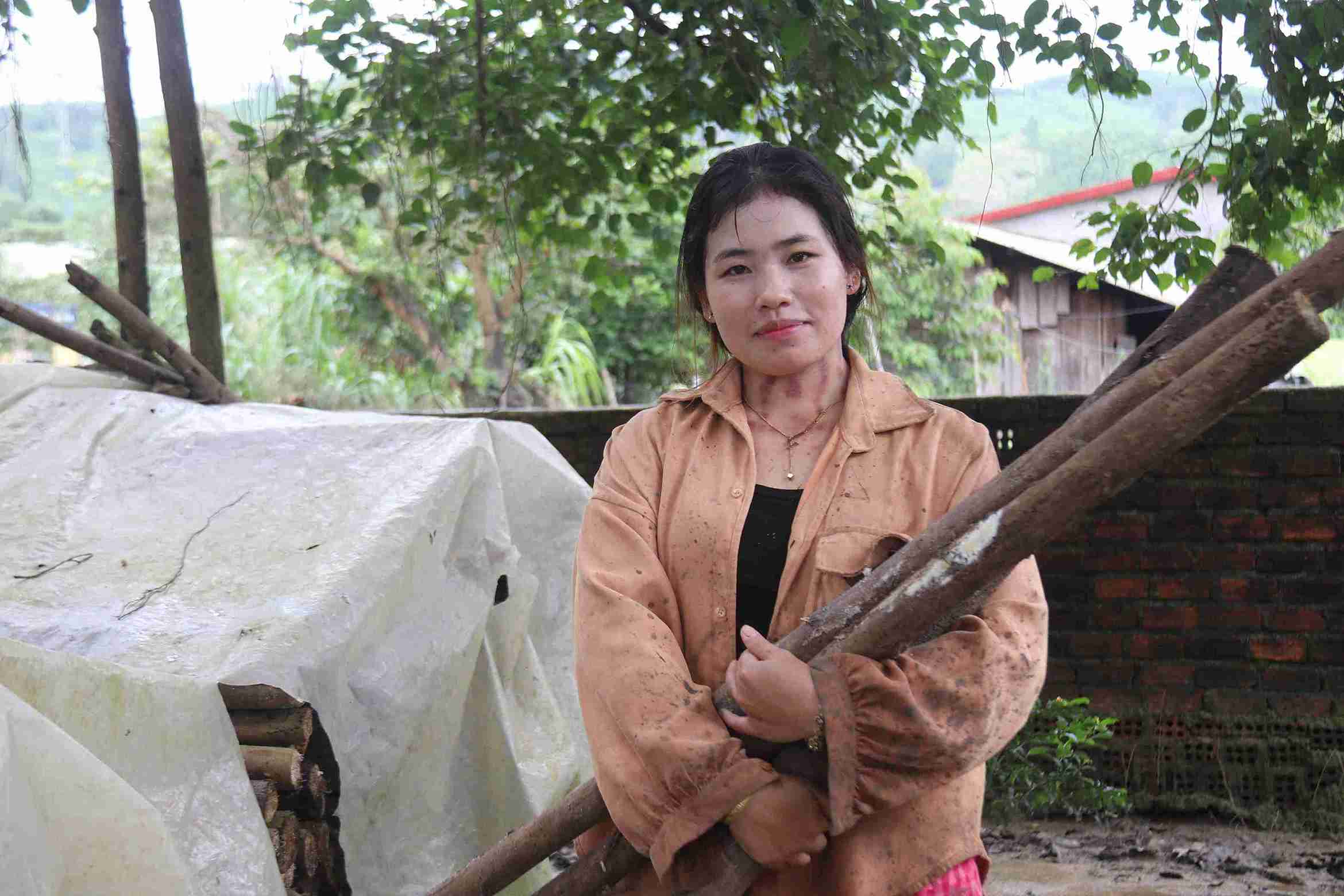
Mr. Hoa Quang Binh - Head of the Department of Culture - Social Affairs of Ea Rieng commune - said that one of the major obstacles today is that people are still afraid of learning a trade because they have to worry about farming, making a living every day or working as workers in industrial parks and big cities.
To remove this problem, the locality has proactively coordinated closely with the Ea Rieng Vocational Education - Continuing Education Center to adjust training time to suit the living and production conditions of the people. Lessons are organized flexibly, prioritizing evenings or free times.
In addition, the training content is also built close to local reality, focusing on occupations that people can apply immediately after studying.
During the implementation process, vocational training classes have increased practice time, limiting dry theory.
Students are also given the opportunity to visit effective production and livestock models in the area and neighboring areas, thereby helping people to easily access, understand and quickly grasp knowledge.
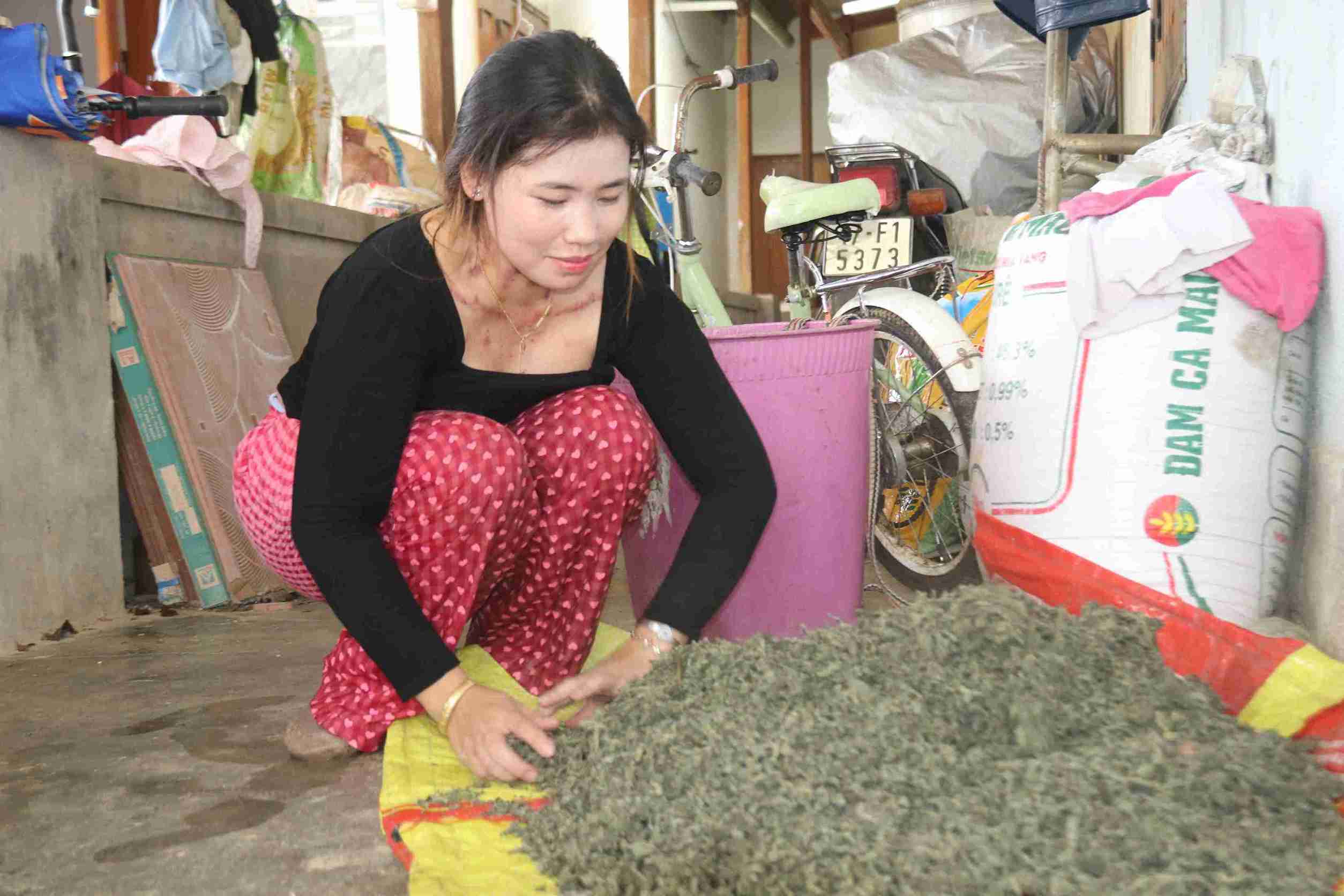
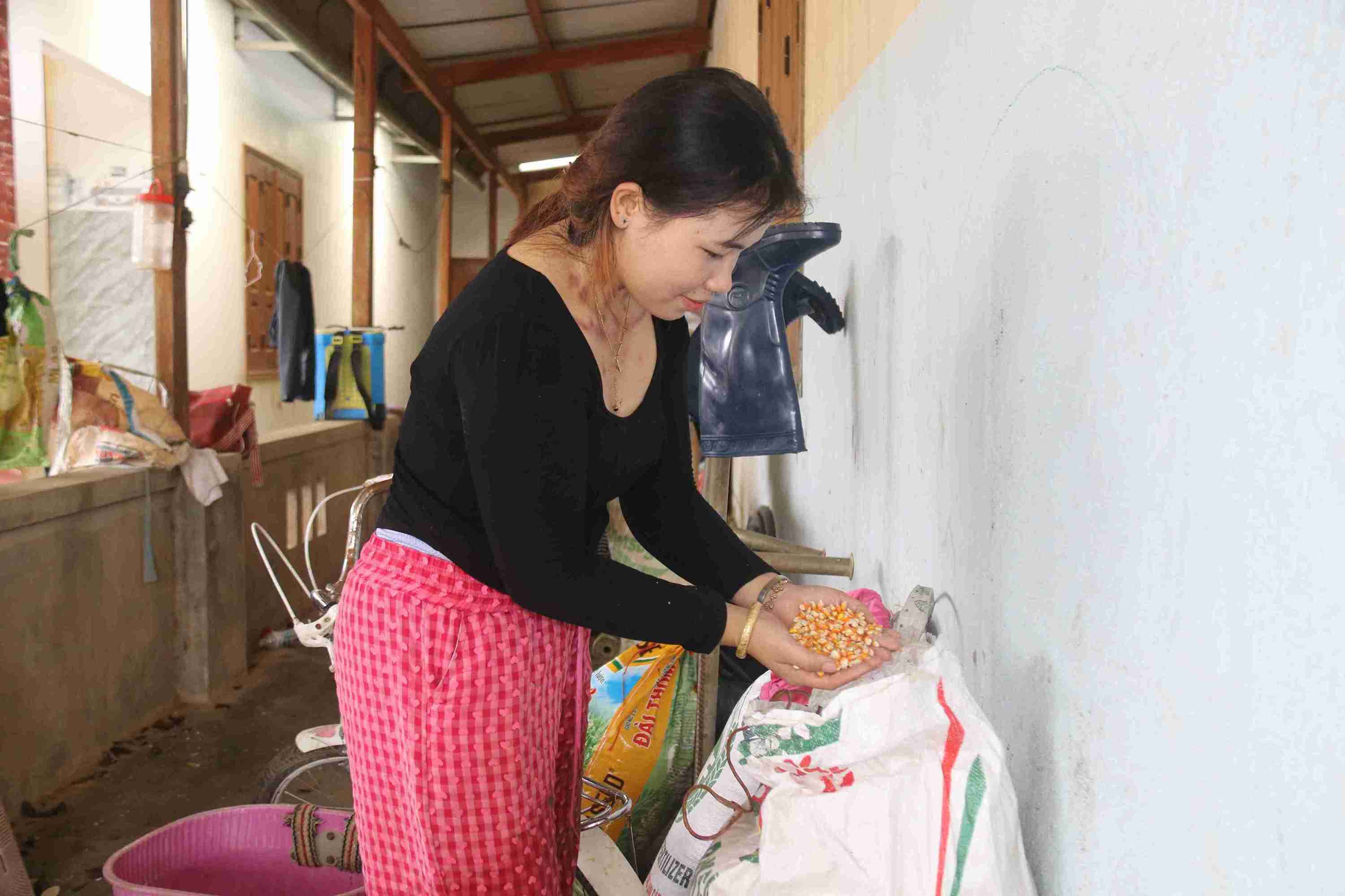
"Thereby, people can immediately apply what they have learned to the practical development of household economy, gradually increasing their income," said Mr. Binh.
After implementing the two-level local government model, Ea Rieng commune continues to promote coordination with village and hamlet heads to expand propaganda work and encourage people to participate in vocational training. Propaganda does not stop at meetings but is also carried out directly to each household and each specific group of subjects.
The commune government determined to "ationalise to the place, mobilize to the people", helping people understand the long-term benefits of vocational training associated with sustainable livelihoods, thereby gradually changing their awareness and proactively participating.
Only by improving the quality of training, linking vocational training with practical needs and specific livelihoods, will vocational classes truly come into life, creating sustainable changes, Mr. Nguyen Van Trung emphasized.
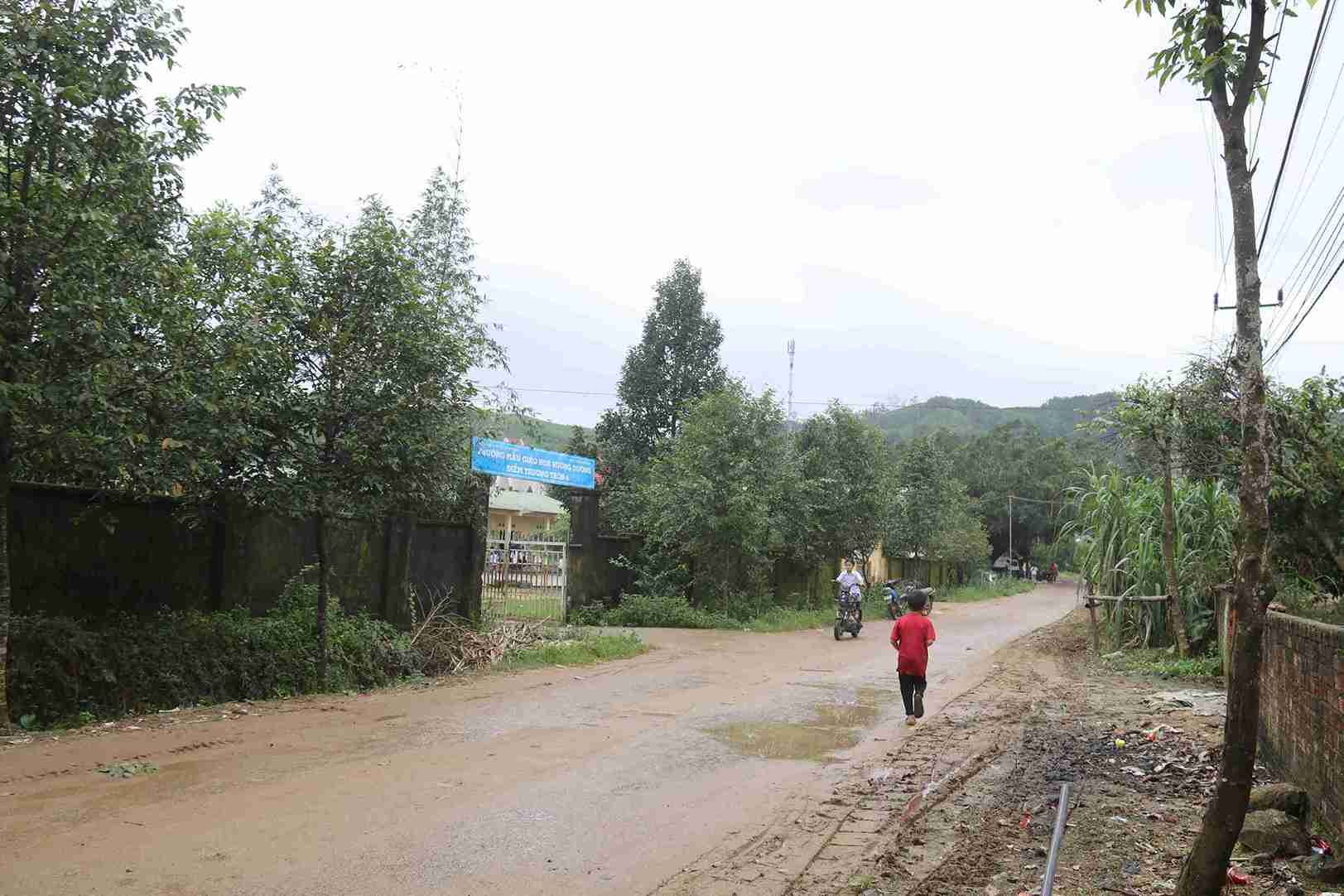
The reality in Ea Rieng commune shows that, despite many difficulties, with the synchronous participation of the government, specialized agencies and the core role of the village chief team, vocational training for rural workers is gradually changing positively.
This is also a direction in line with the goals of the National Target Program for Socio-Economic Development in Ethnic Minority and Mountainous Areas, contributing to creating stable livelihoods, improving people's lives and sustainable poverty reduction from the grassroots.


