
Creating sustainable livelihoods for people
After many times of being mobilized by local authorities and lecturers to come to her house to train her, Ms. Giang Thi Xanh (village 20, Ea Rieng commune, Dak Lak province) has changed her awareness and thinking in economic development.
At the end of 2025, she decided to register to attend a pig farming class held locally.
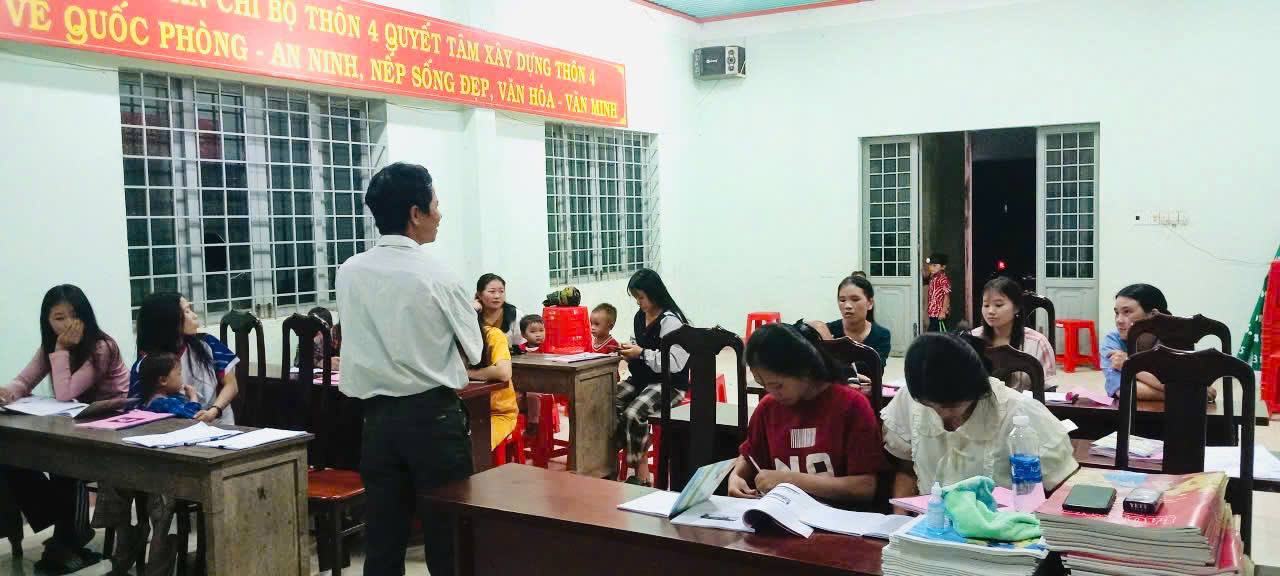
Ms. Xanh shared: Before, I did not fully understand the meaning and role of vocational training, so I hesitated and did not boldly register for a livestock class. However, after clearly analyzing the benefits, I decided to study. The lecturer conveys simple and easy-to-understand theory, making it easy for ethnic minorities to access".
Also in village 20, Ms. Ly Thi Thu followed Ms. Xanh's footsteps to register to attend the pig farming class, with the desire to create more livelihoods and have a stable source of income after completing the course.
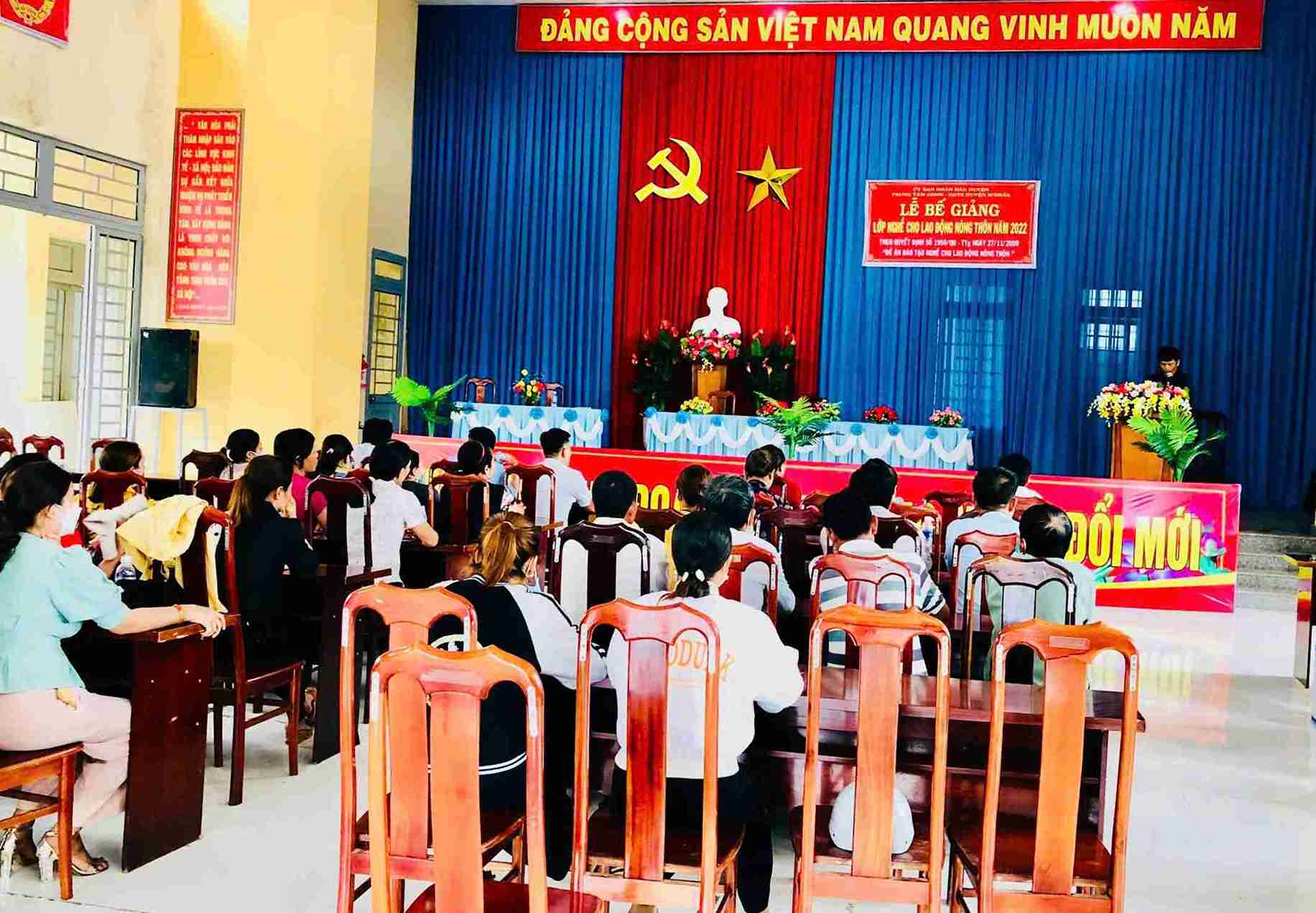
"I plan to build a barn, buy breeding pigs to raise, have more income to take care of my children's education and repair the dilapidated house," Ms. Thu said.
Currently, the above-mentioned animal husbandry training class is still being implemented by the Center for Vocational Education - Continuing Education of M'Drak in coordination with the Ea Rieng commune government in village 20. This is a particularly difficult village, with a large concentration of ethnic minorities. Most students are young, agile, easily absorbing knowledge and applying it in practice.
Accompanying people to firmly enter the profession
In 2025, from the project to develop vocational education and create jobs for workers in ethnic minority and mountainous areas, Ea Rieng commune will be allocated 540 million VND from the central budget.
However, up to now, the disbursement has encountered many difficulties because the locality has not been able to open vocational training classes for rural workers. Therefore, Ea Rieng commune has decided to promote communication work to raise awareness of vocational training and career development for rural workers.
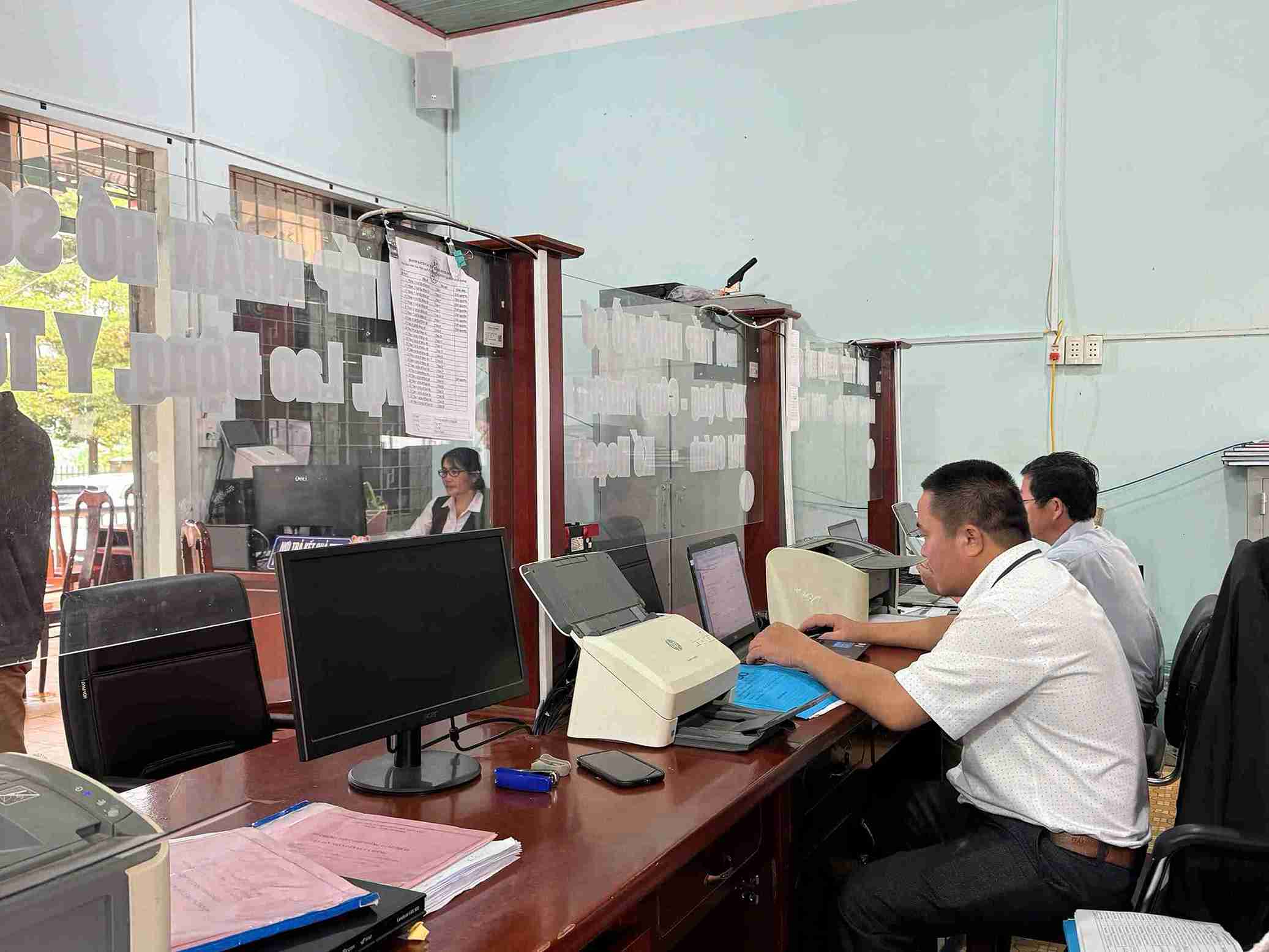
The process of mobilizing people to participate and open vocational training classes in Ea Rieng commune has encountered many difficulties. In particular, many people are busy with farming or work for hire, making it difficult to arrange their study time.
In addition, the customs and practices of ethnic minorities also cause obstacles for authorities in the process of propagating and mobilizing people to participate in vocational classes.
However, overcoming difficulties, Ea Rieng commune is determined to improve the effectiveness of vocational education in the rural labor sector in the locality.
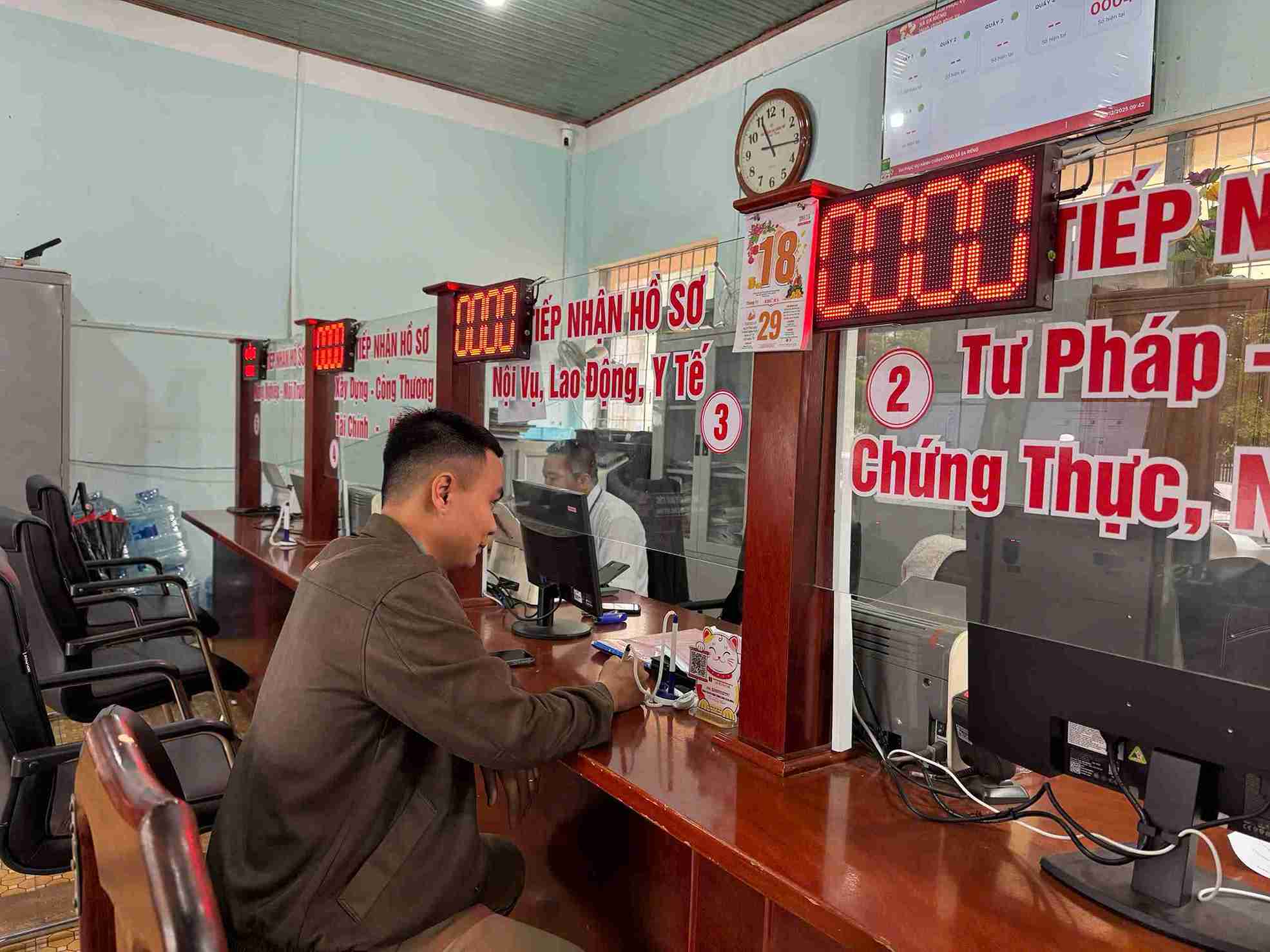
Mr. Hoa Quang Binh - Head of the Department of Culture - Social Affairs of Ea Rieng commune said that the thinking of young people who want to learn a trade is associated with employment. Therefore, we have to adjust the training portfolio in a way that is suitable for the needs of the people who want to benefit.
According to Mr. Binh, these changes are expected to create a new workforce, contributing to promoting sustainable economic transformation in the locality.
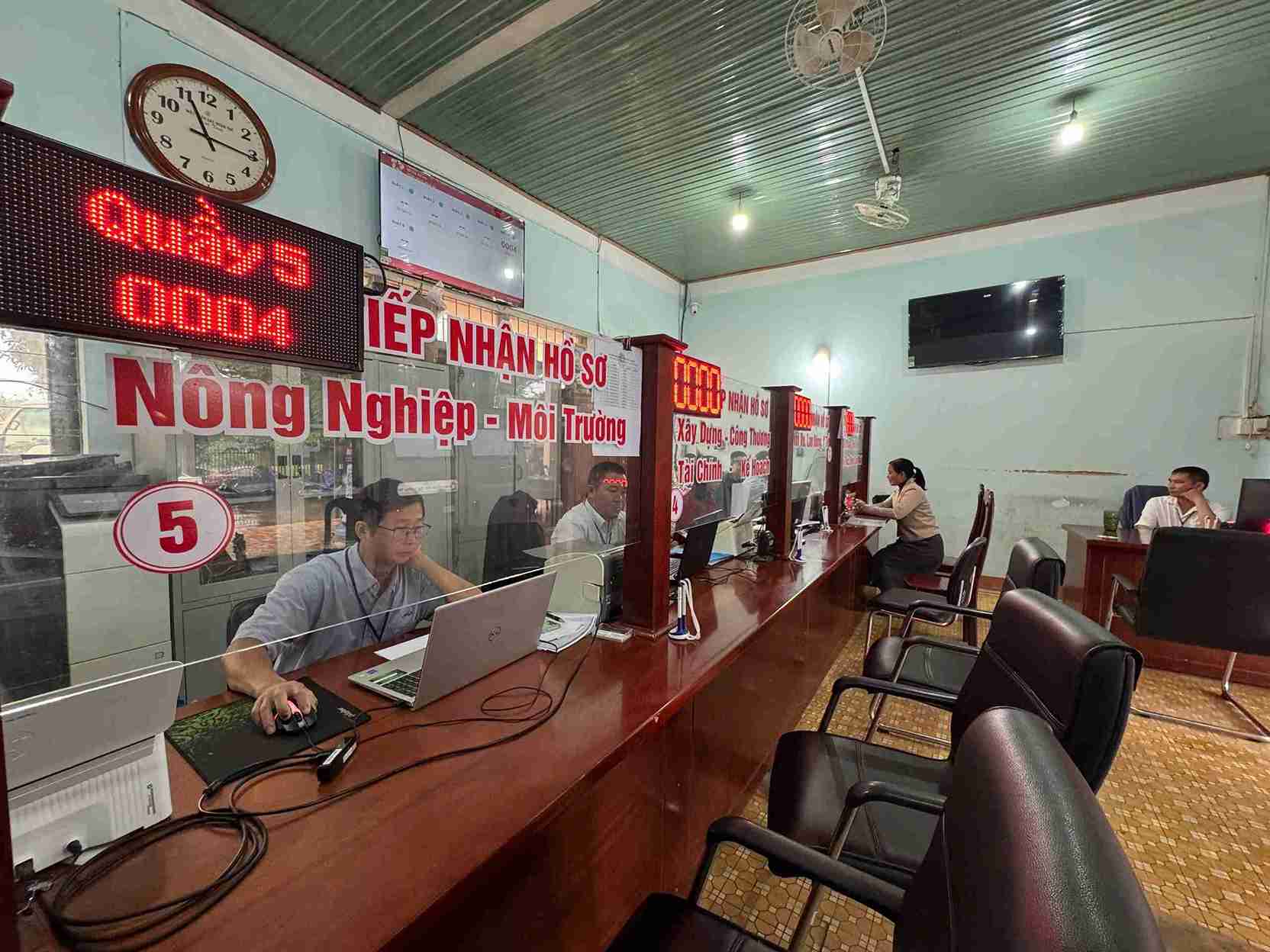
"We have to do it no matter how difficult it is. Vocational training is the key to poverty reduction and sustainable economic development. The commune and villages will persistently propagate, mobilize, and open vocational training classes. The commune is determined not to let people stay on the sidelines of opportunities to improve their professional skills and open up livelihoods in the future, Mr. Binh affirmed.


