
Suitable conditions for announcing the end of the epidemic
From June 2025 to present, there has been an epidemic of African swine fever in 64 households in 25 communes and wards in Gia Lai province, forcing the destruction of more than 1,600 pigs, with a total weight of nearly 100 tons. As of December 17, all 25 communes and wards that have had epidemics have not had new outbreaks for 21 days, eligible to declare the end of the epidemic.
After storm No. 13 and the historic flood, the province did not record any more African swine fever outbreaks. However, due to the impact of natural disasters, the resistance of cattle and poultry in many households has been weakened, of which pigs are most clearly affected; barns have been damaged and destroyed by storms and floods... posing a potential risk of disease outbreaks again.
Mr. Huynh Ngoc Diep - Head of the Department of Animal Husbandry and Veterinary Medicine (Department of Agriculture and Environment of Gia Lai province) - said that in parallel with implementing epidemic prevention and control measures, the province has set up 4 epidemic control posts on key national highways to promptly prevent and handle cases of transportation and trading of infected pigs, thereby strictly controlling the epidemic situation in the area.
"Up to now, it can be said that Gia Lai province has stopped African swine fever," said Mr. Diep.
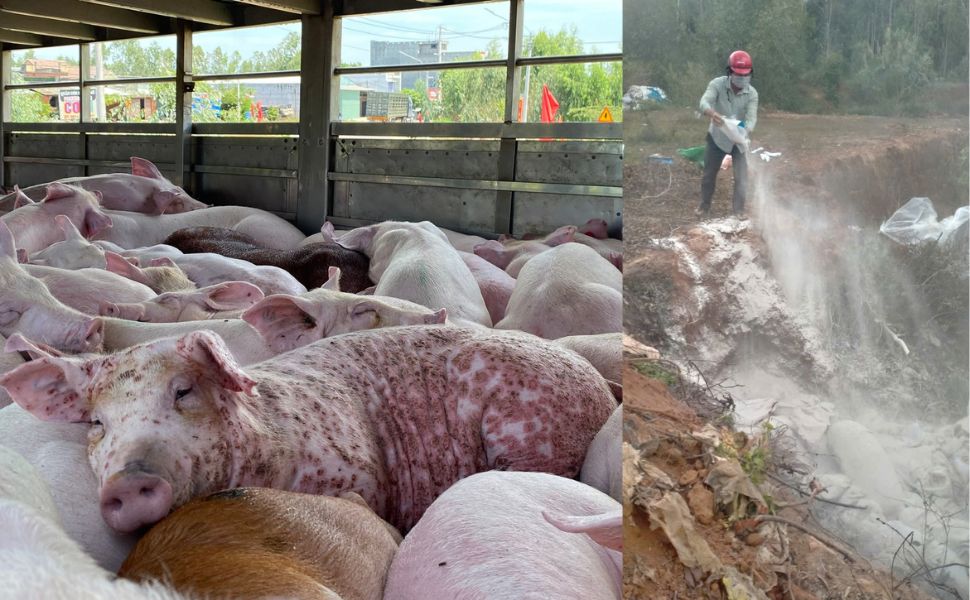
However, according to Mr. Diep, near the Lunar New Year 2026, pig prices tend to increase, the herding, transportation and trading are vibrant, posing a high risk of disease outbreaks.
In this situation, the livestock industry continues to promote propaganda and instruct localities and livestock households to strictly apply biosafety livestock measures to protect livestock flocks.
Along with that, the province has issued more than 15 tons of chemicals and pesticides to support livestock farming households in disinfecting and disinfecting barns; coordinated with competent authorities to strengthen inspection and control of pig transportation, trading and slaughter.
Long-term policy for sustainable livestock farming
Mr. Huynh Ngoc Diep - Head of the Department of Animal Husbandry and Veterinary Medicine said that the 5th session of the People's Council of Gia Lai province, term XII, 2021-2026 (taking place on December 8 and 9.) approved 3 important policies, including: policy to support disease recovery (support level of 40,000 VND/kg of live pigs for infected pigs, if fully meeting the prescribed conditions); policy to support vaccination; policy to encourage investment in building centralized slaughterhouses in the period 2026-2030.
In particular, the Resolution regulating the mechanism to support vaccination, vaccination costs and animal disease prevention and control in Gia Lai province for the period 2026-2030 officially took effect from January 1, 2026, aiming to strengthen the protection of livestock, improve disease prevention efficiency, and contribute to the development of sustainable livestock.
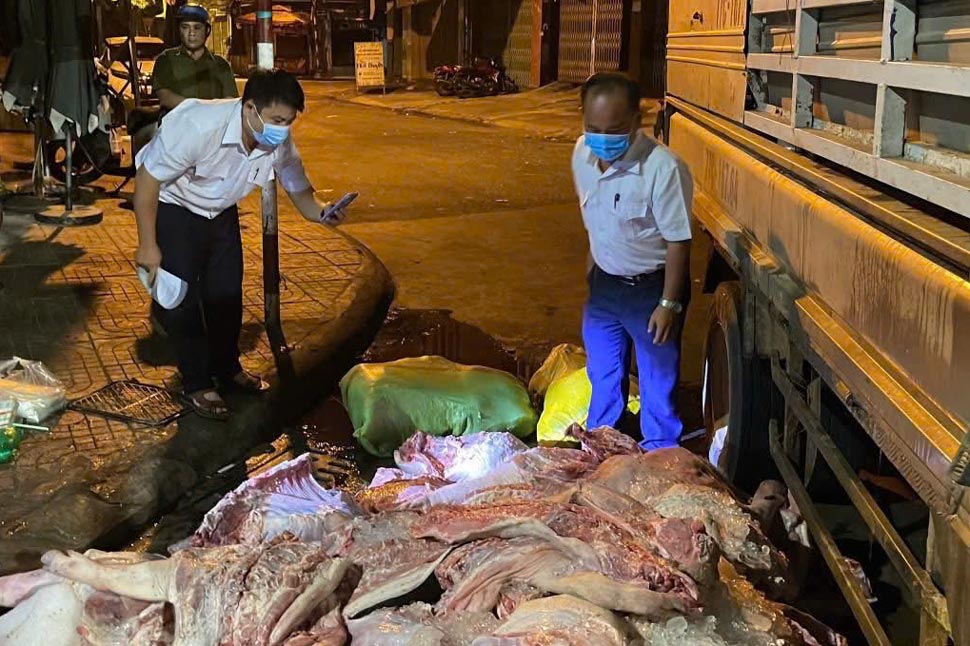
Based on the total scale of the herd and the development orientation of livestock farming in the province, the need for funding to implement the policy is about more than 49 billion VND/year. Of which, the provincial budget is more than 39 billion VND; communes and wards are more than 9.8 billion VND.
Beneficiaries are household-level livestock and poultry farmers; agencies, units and individuals in the field of livestock and veterinary medicine in the province, with the condition of full compliance with regulations on livestock farming, veterinary medicine and animal disease prevention and control.
Mr. Diep emphasized that this resolution is considered an important shift, overcoming the situation where localities have to balance their own vaccine purchase costs as before, leading to unsynchronized implementation, making it difficult to form mass immunity. Thereby improving the effectiveness of disease control, saving costs in disease prevention, stabilizing production and protecting livelihoods for farming households.


