
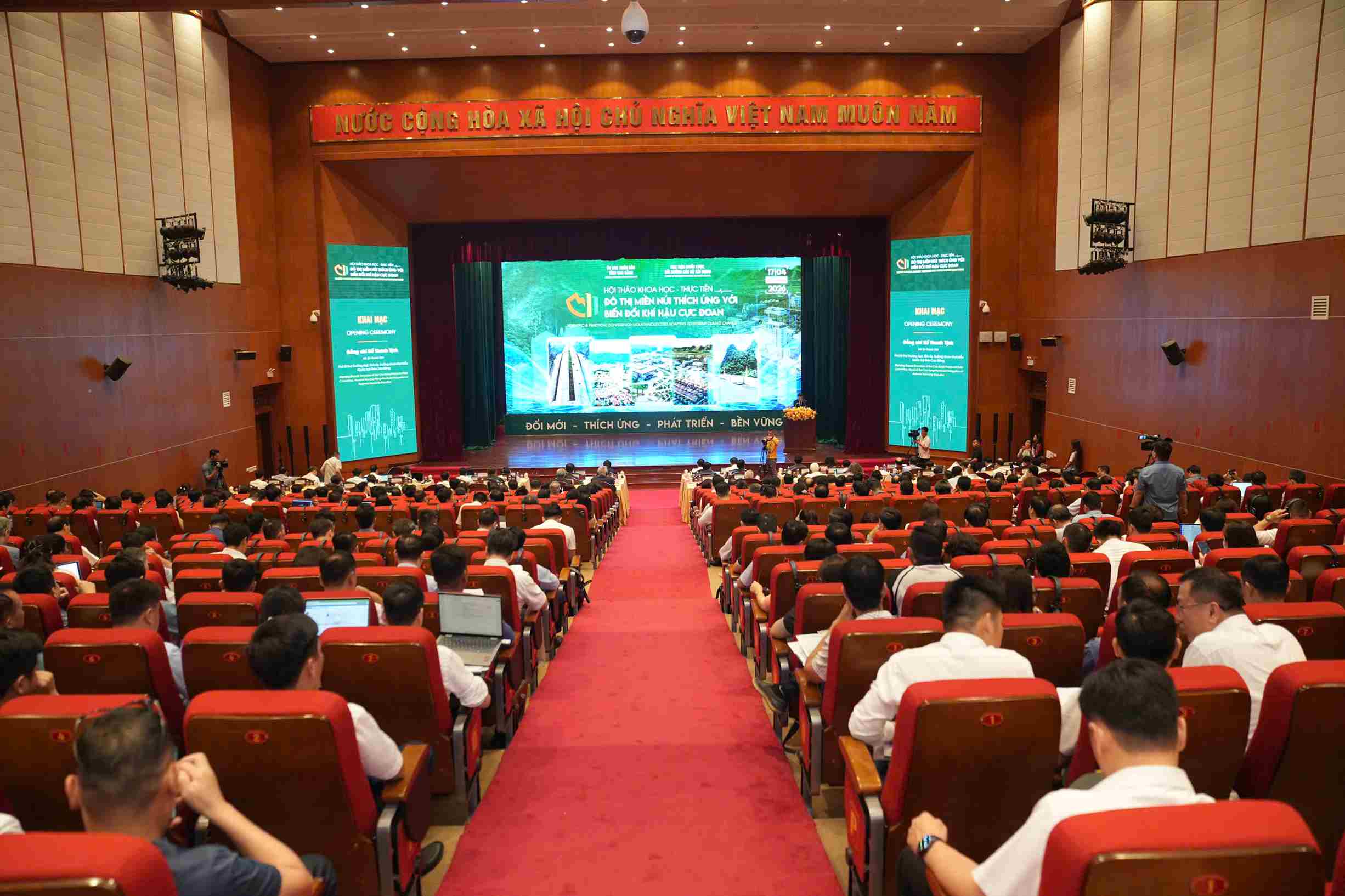
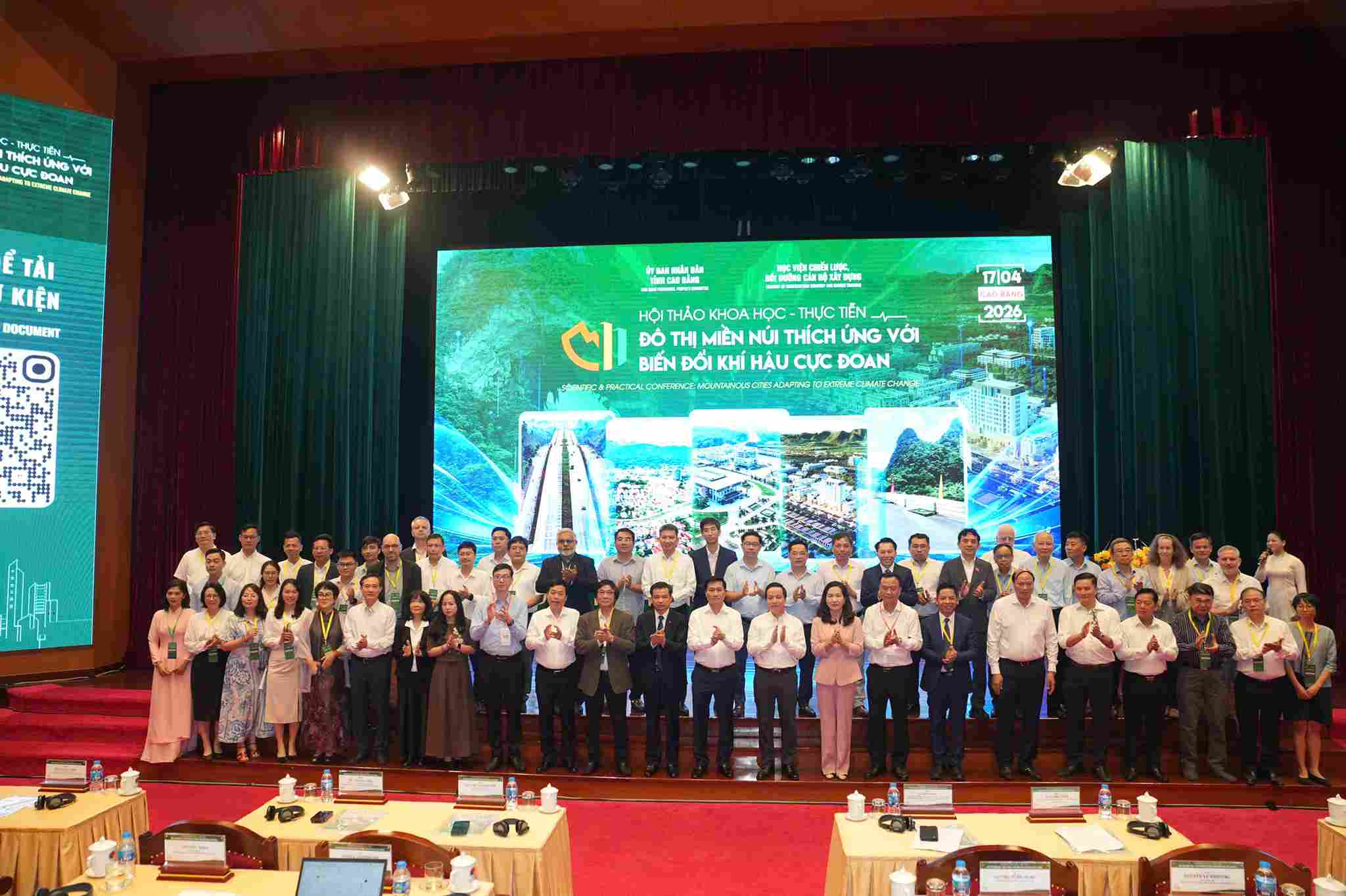
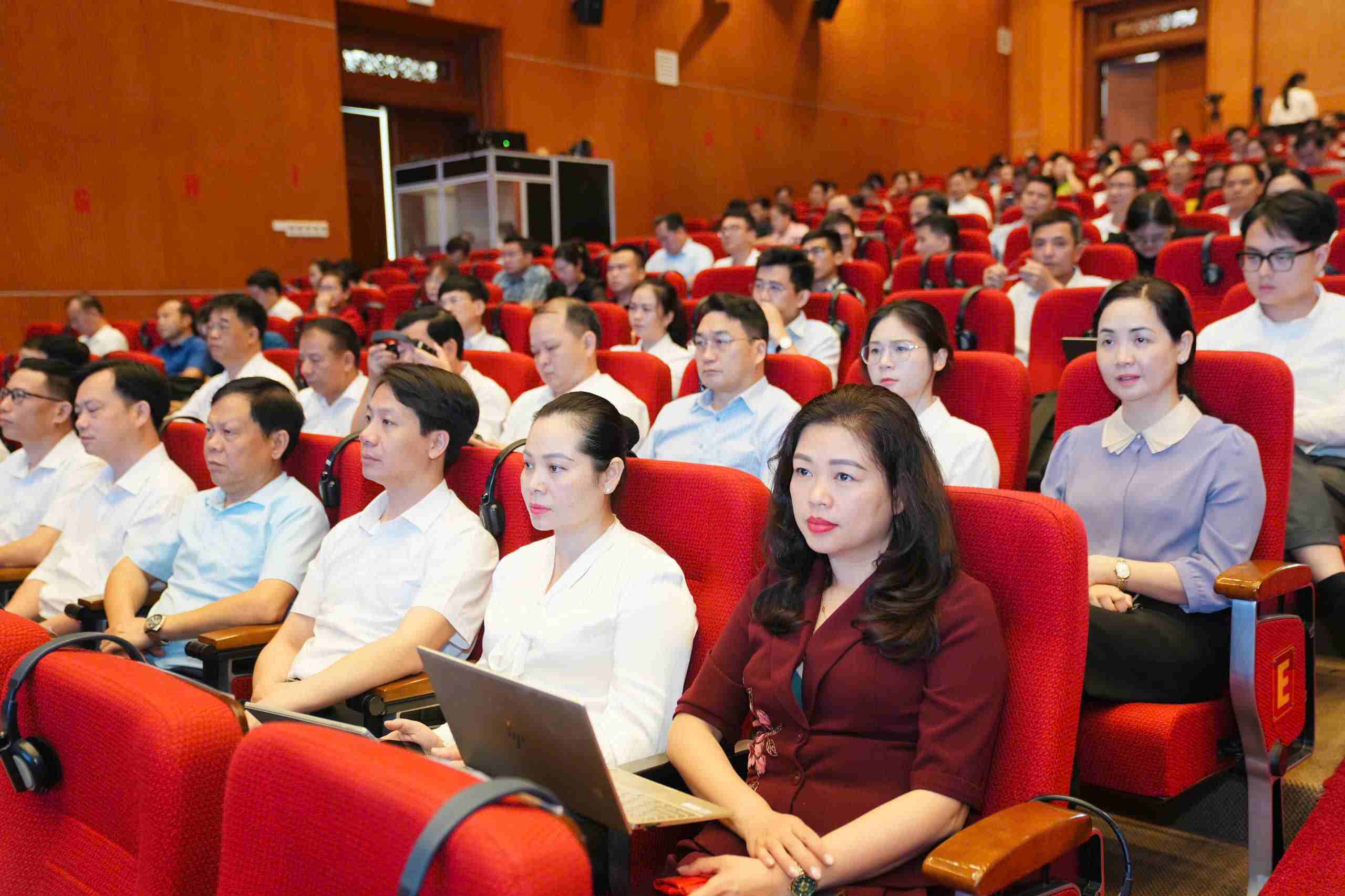
On April 17, the People's Committee of Cao Bang province coordinated with the Ministry of Construction to organize a scientific and practical workshop with the theme "Mountain cities adapting to extreme climate change", attracting the participation of ministries, sectors, experts, scientists, businesses and many localities with similar conditions.
Reality shows that climate change is no longer a danger in the future but has directly impacted socio-economic development.
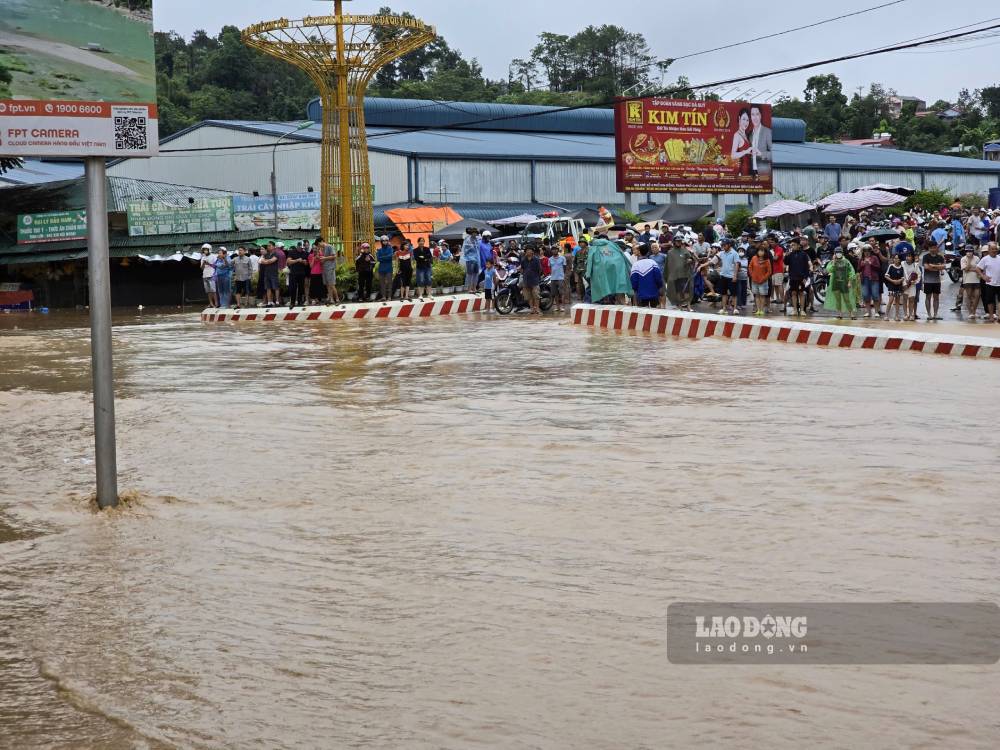
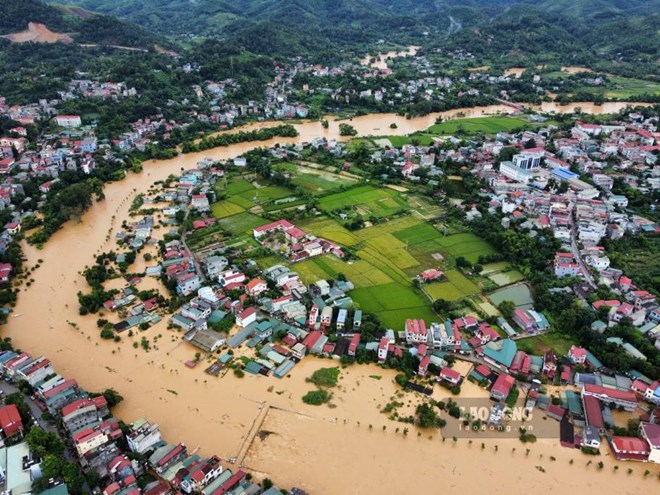
In Cao Bang, the hilly terrain accounts for over 90% of the area, the slope is steep, and the river and stream system is short, causing the risk of flash floods, landslides and flooding to increase.
According to statistics, in the period 2021-2025, this province experienced 90 natural disasters, causing damage of about 5,918 billion VND.
In 2025 alone, there were 22 natural disasters with total damage of more than 4,200 billion VND, seriously affecting infrastructure, production and people's lives.
Faced with that situation, delegates said that it is necessary to shift development thinking from "response" to "active adaptation", from short-term to long-term, and at the same time approach in a comprehensive, inter-sectoral direction to improve the urban resistance.
At the workshop, many solutions were proposed, in which emphasis was placed on innovating planning work based on risks, integrating climate change factors from the beginning.
Cities need to limit expansion into high-risk areas, while protecting flood drainage corridors and organizing development spaces suitable to natural conditions.
In addition, investing in resistant technical infrastructure such as drainage systems, flood prevention, landslide prevention works and green infrastructure is considered a top priority.
A noteworthy point is the trend of shifting from "flood control" to "living with water". Accordingly, urban planning needs to be implemented according to river basins instead of administrative boundaries, combining natural water regulation solutions to minimize risks.
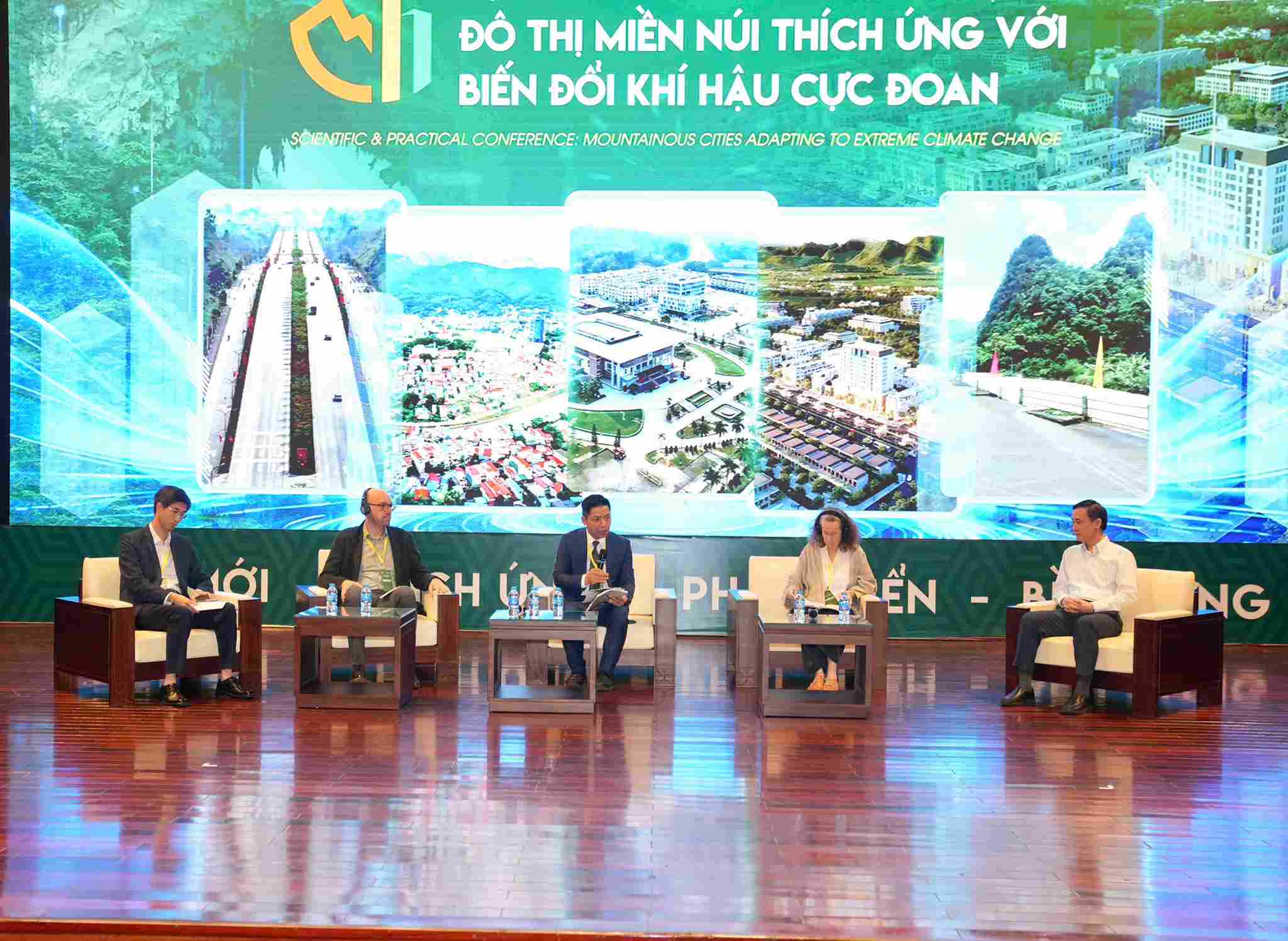
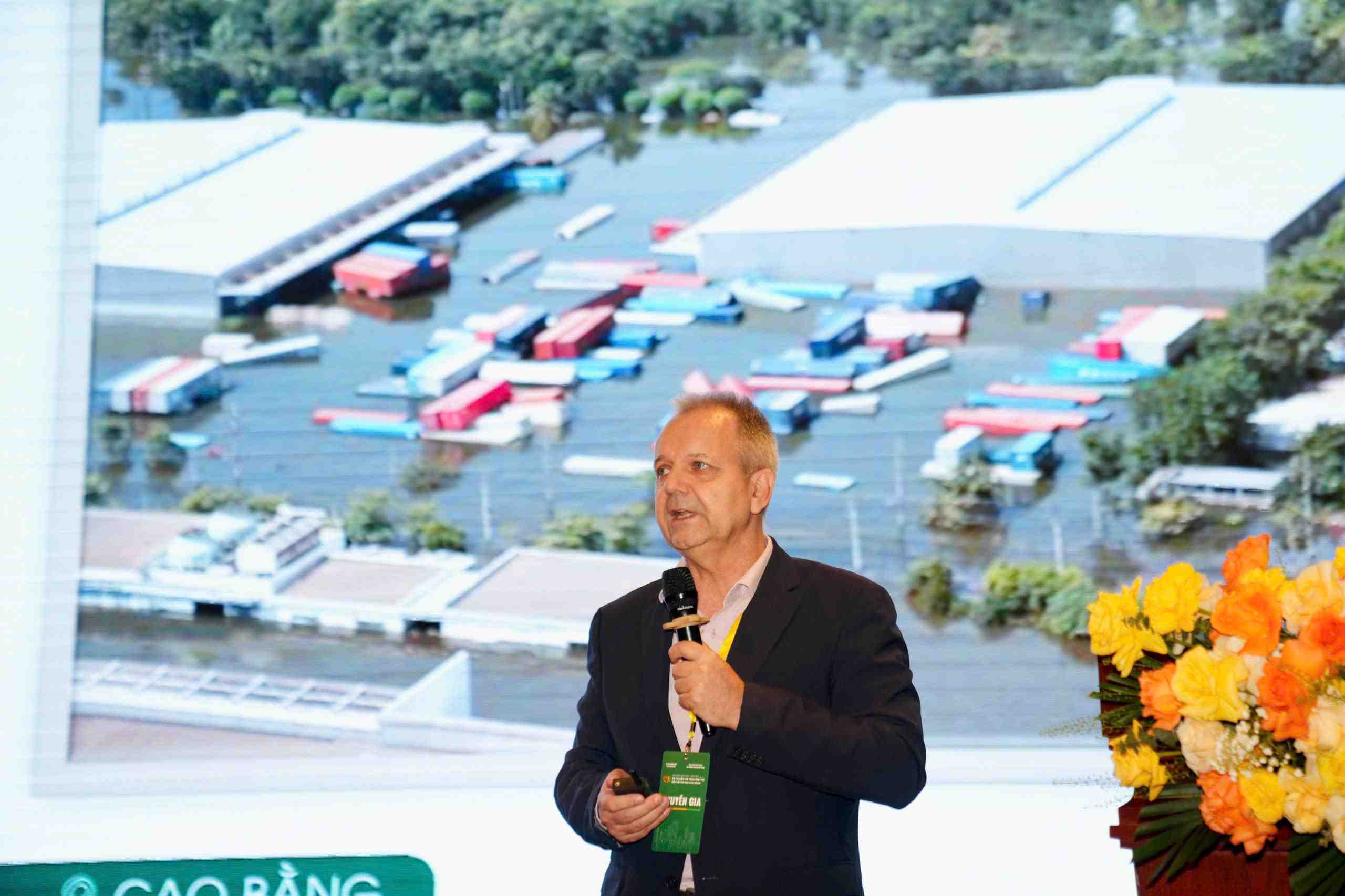
In addition, the role of science and technology is particularly emphasized. Solutions such as applying geographic information systems (GIS), urban digital models, artificial intelligence (AI) or digital twins will help improve forecasting capacity, early warning and disaster risk management in real time.
Experts also propose urban development in the direction of green growth, circular economy, and carbon emission reduction, in line with the trend of sustainable development.
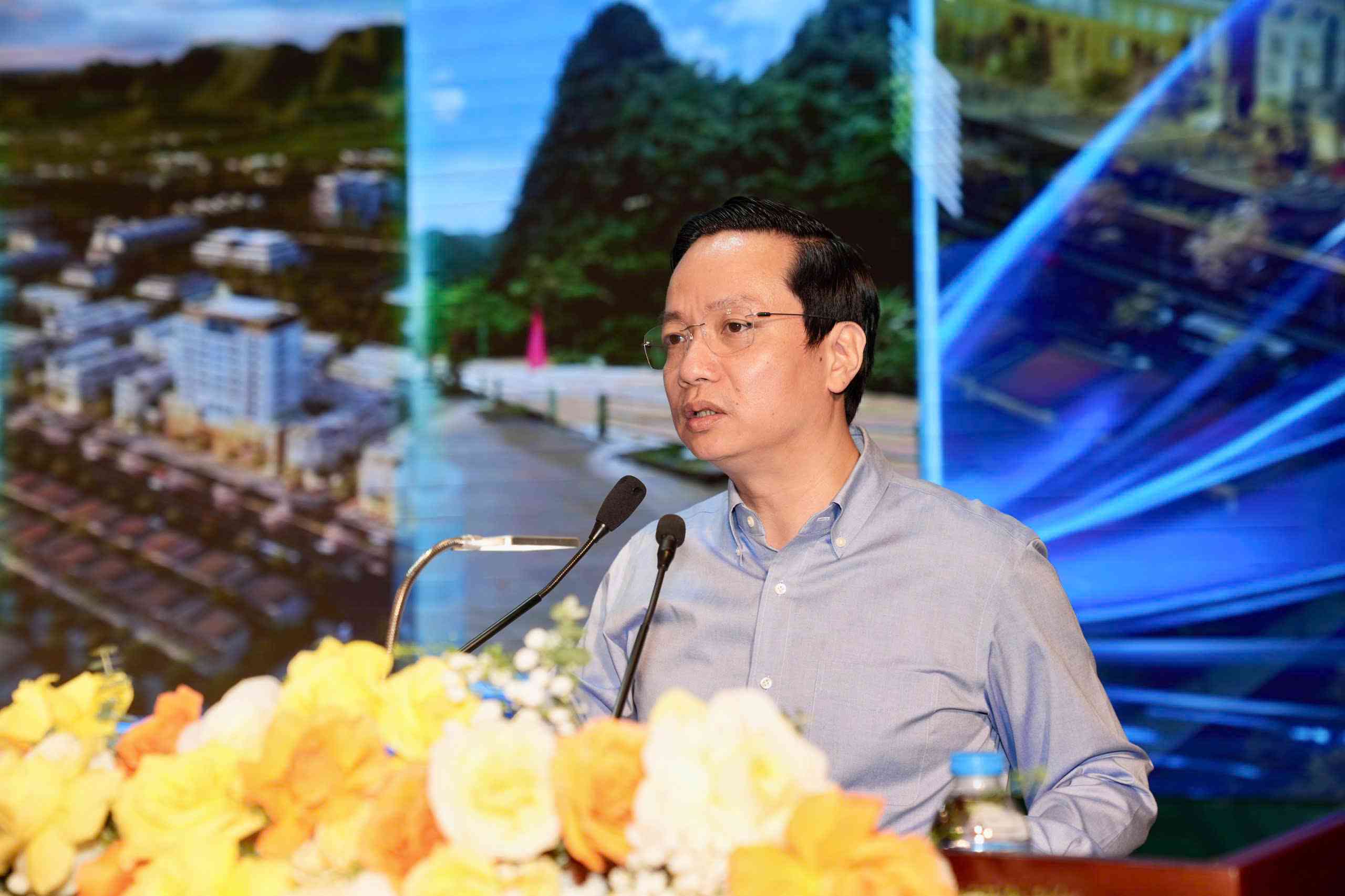
Representatives of the Ministry of Construction said that the requirements for climate change adaptation have been integrated into the legal system, and will continue to improve the set of criteria for assessing urban resilience to support localities in the implementation process.
The workshop recorded many opinions and quality presentations, focusing on pillars such as planning, infrastructure, technology and institutions. This is considered an important basis for Cao Bang and mountainous provinces to gradually improve policies, improve management capacity and deploy models suitable to reality.
In the context of increasing natural disasters, building urban areas that "live with the country" and flexibly adapt to climate change not only helps minimize damage but also creates a foundation for sustainable development in the long term.


