
Talking numbers
With tens of thousands of billions of VND invested, thousands of temporary houses eliminated, the face of rural and mountainous areas of Da Nang (after the merger) has changed dramatically. However, behind those impressive numbers, the fight against poverty in remote areas still has the biggest and most difficult bottleneck to remove: that is the "thinking style, the way of doing things" that has eaten deep into the subconscious of a part of the people.
Looking back at the period of 2021-2025, the work of sustainable poverty reduction and new rural construction in Quang Nam (old) and Da Nang has achieved remarkable achievements. This is a comprehensive campaign, mobilizing the strength of the entire political system and the consensus of the people. In Quang Nam alone, the "No one is left behind" movement has mobilized huge resources, over 11,000 billion VND.
Thanks to that, more than 8,100 temporary houses have been supported to build new and repair, 364 livelihood projects have been implemented, helping the multidimensional poverty rate decrease sharply from 7.79% (in 2021) to only 3.86% by the end of 2025, far exceeding the assigned target. In particular, the campaign to eliminate temporary and dilapidated houses has completed 100% of the plan with 12,298 houses handled as of October 2025.
These figures are not just dry statistics, they are proof of great political determination, the joy and settlement of tens of thousands of households. However, as state resources are poured in more and more, a paradox arises in some localities.
Mr. Le Quang Trung, Secretary of the Party Committee of Phuoc Hiep commune, a mountainous commune in the West of Da Nang, could not hide his concern. He shared: Since the land was opened to establish a village, the ethnic minorities here have become accustomed to life in harmony with nature: large land, poor people, products from the forest, fish in the stream, living a free and independent life. That lifestyle has eaten deep into the subconscious. During the period of national renewal, many policies to support socio-economic development for ethnic minority and mountainous areas have been implemented to quickly shorten the development gap.
The achievements are huge. However, also from these policies, a new segment arose with the mentality of waiting and relying on the support of the state, with little desire to work, lacking the desire to escape poverty, get rich even though they have all the conditions to develop; trying to keep themselves as poor households to enjoy the State's policies.
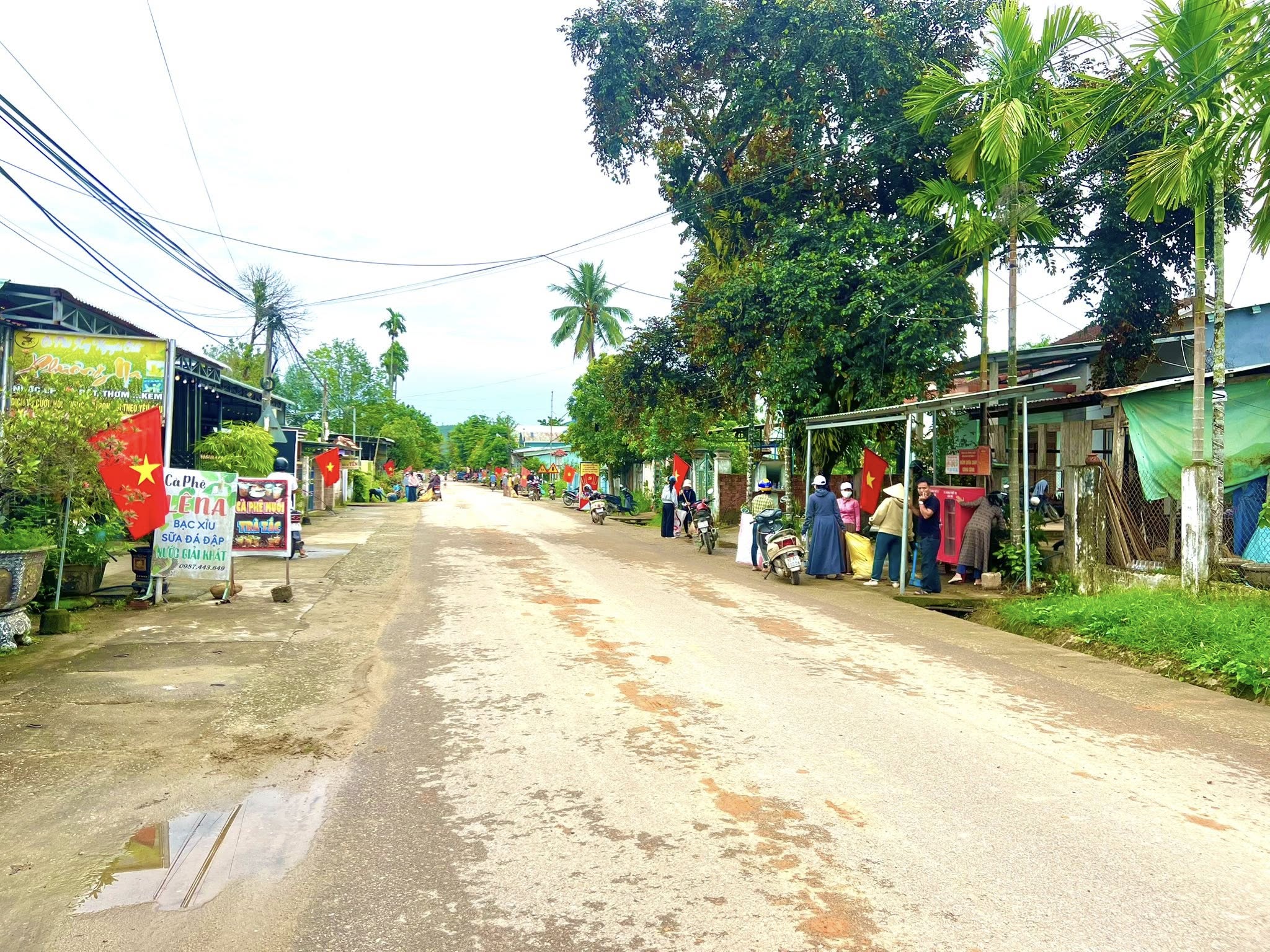
This mentality of "fate", "waiting" is the fertile land for bad things and bad customs at the root. When there is a lack of aspiration to get rich, a part of the people not only keep a leisurely lifestyle and self-sufficient, but also fall into the evils of alcohol, affecting the general movement of the community. The fear of absorbing social knowledge and science and technology makes it difficult for outdated practices to be erased, creating a vicious cycle of poverty. This is the biggest "bottleneck" that if not removed, all investment resources from outside, no matter how large, will find it difficult to promote sustainable efficiency.
As a result, difficulties and poverty among the people are still persistent, even though resources are available, it is very difficult to disburse effectively. This situation leads to a paradox: even if there is pressure to disburse to make progress, the results are not sustainable. This is the biggest bottleneck, a cultural barrier that is holding back endogenous strength, which if not removed, all support from the outside, no matter how large, will hardly be able to promote long-term effectiveness.
"Property" of the State
Recognizing the root of the problem, the Campaign "Change of thinking and working style among ethnic minorities" has been vigorously implemented. These are not just empty calls, but a smooth combination of propaganda and specific actions, stemming from the understanding and perseverance of the grassroots staff.
Mr. Le Quang Trung drew a profound lesson from practice: "Mobilization cannot be spoken fluently in words and documents, but must be accompanied by specific actions of the government so that the people can see determination".
He gave a typical example of mobilizing people to improve housing quality. In an old residential area, the access road is less than 2m, the houses are crowded and shabby. No matter how the government mobilizes people, they do not want to build new houses, even if they have the conditions, with the reason "not wanting to be far from the villages, far from where their grandparents left them". Until the government decided to build a new residential area, a 5m wide, airy traffic road with full electricity and water systems, everything changed. Households that were previously determined to refuse are now willing to relocate and mobilize their own resources to build spacious, big and beautiful houses. This shows that the power and resources of the people are huge, but there needs to be "prey" of the State to lead, create position and unblock them.
Exercise must go hand in hand with "hands-on direction". Instead of just gathering people to disseminate, officials of the Women's Union and the Farmers' Union go to every garden and every house. Seeing the garden still abandoned, they and their family members cut the land, instructed on vegetable growing techniques, and renovated the garden.
"We must let the family do the main thing, the person coming to help is the sideline, helping to shape the techniques, arrangement, and arrangement," Mr. Trung emphasized. When the model is successful, people realize that it is their own effort, they will have more motivation to continue to do and expand.
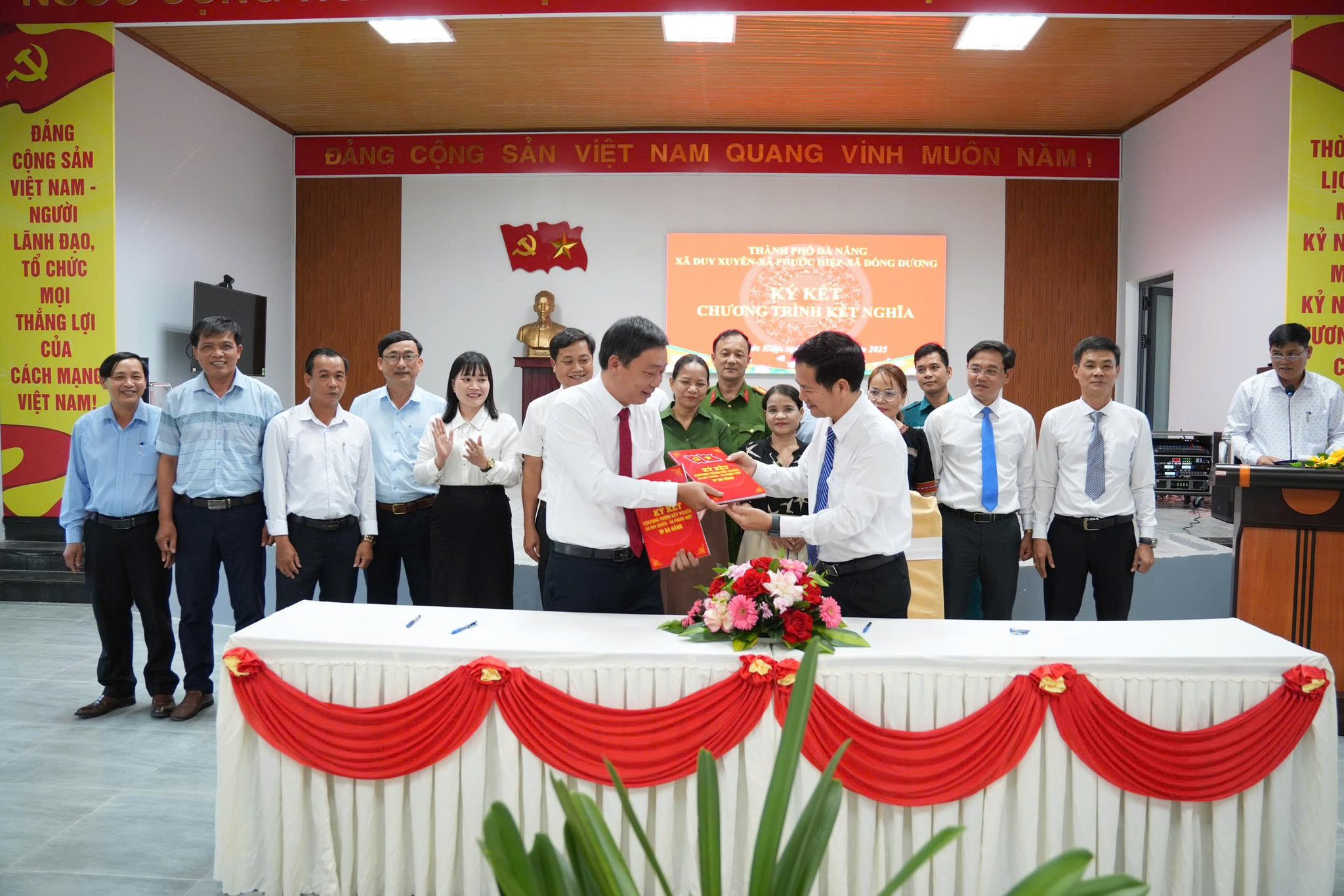
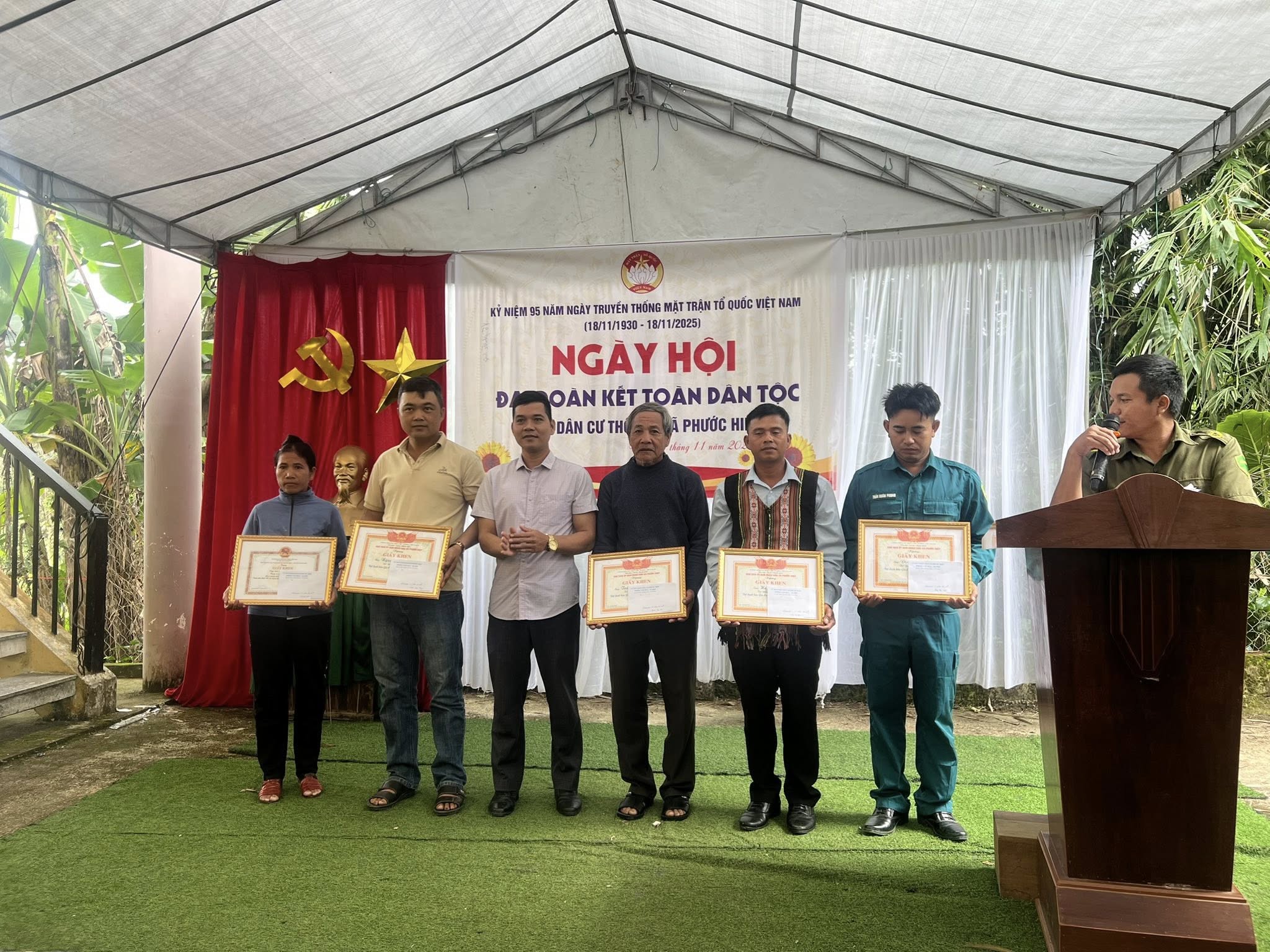
In particular, the policy must have a combination of rewards and sanctions. Phuoc Hiep commune is determined to eliminate the idea of leveling. Those who are mobilized to become advanced models must be promptly commended and rewarded to nurture and develop the movement. On the contrary, those who deliberately do not comply, do not want to listen, do not want to do, absolutely do not put them in the list of policy beneficiaries. This strictness but fairness helps people understand that the State does not give anyone anything, but only supports those responsible for preserving and promoting that support.
To solve the problem of relying on ideology, Mr. Le Quang Trung also proposed a bold solution: moving towards eliminating the criteria for determining poor and near-poor households by stage, instead using the phrase "households in difficult circumstances" to apply consistently. Thus, there will be no longer a desire to stay in the poor household list to enjoy the policy. Instead, the commune-level government will be decentralized and given the right to specifically identify each household in difficult circumstances to focus on helping the right subjects and needs: housing difficulties, employment difficulties.

The journey to change a way of thinking that has existed for hundreds of years is a long and arduous journey. But with the orders from the heart of the staff, with creative and appropriate ways of doing things, the desire to get rich, building a prosperous life is gradually being lit up in every family, every village. That is the most sustainable and genuine way out of poverty.


