
The situation of vehicles stopping and parking in violation of regulations is still common on many streets in Hanoi, especially in the central area, main traffic axes, school gates, hospitals, bus stations...
There are many cases of prolonged parking, disregarding no-parking signs, causing traffic obstruction, posing a potential risk of congestion and accidents, causing public outrage.
Faced with this situation, on April 15, Hanoi City Police issued a plan to strengthen inspection and handling of violations related to stopping and parking vehicles throughout the area, in order to restore traffic order and urban order.
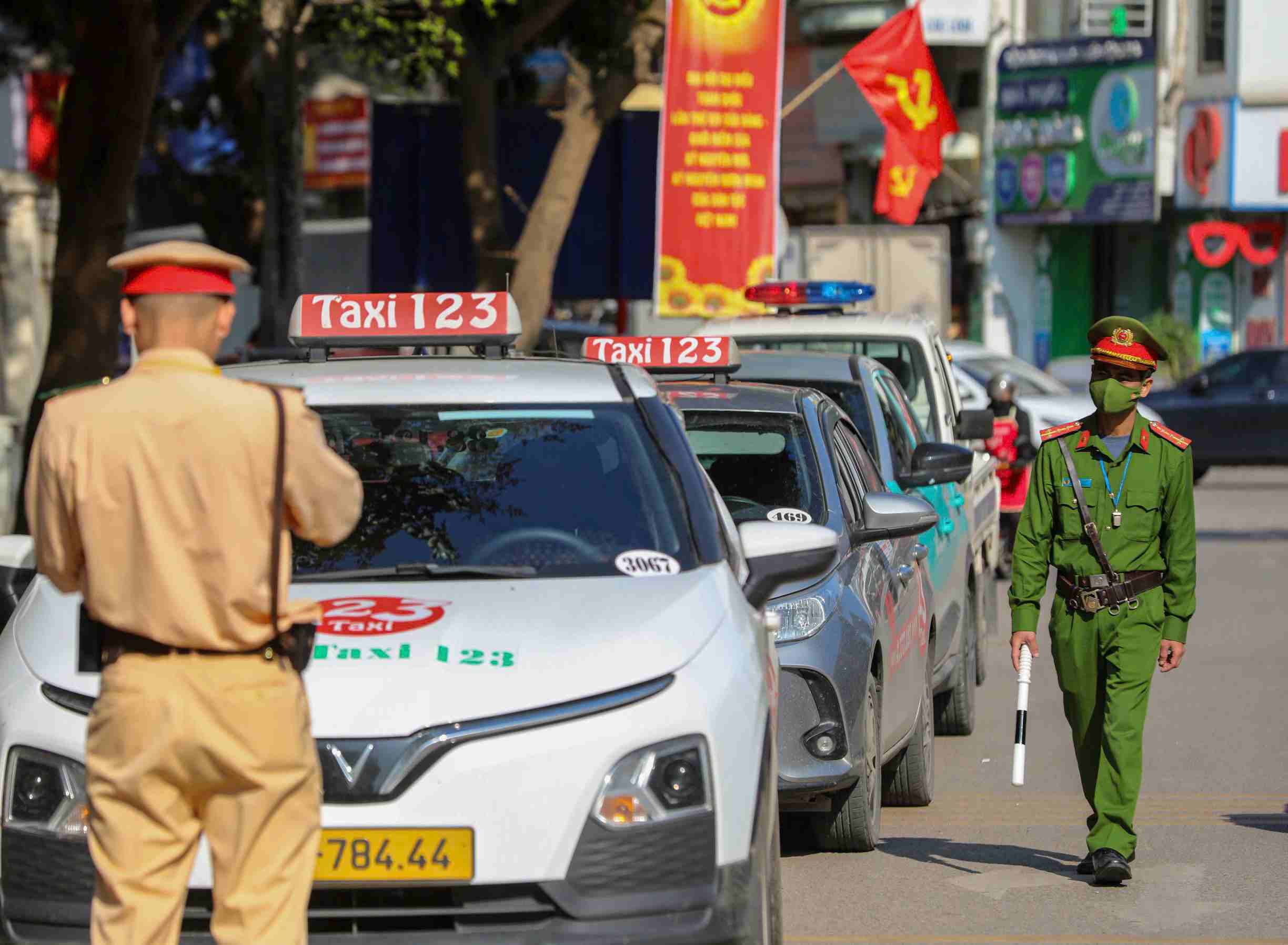
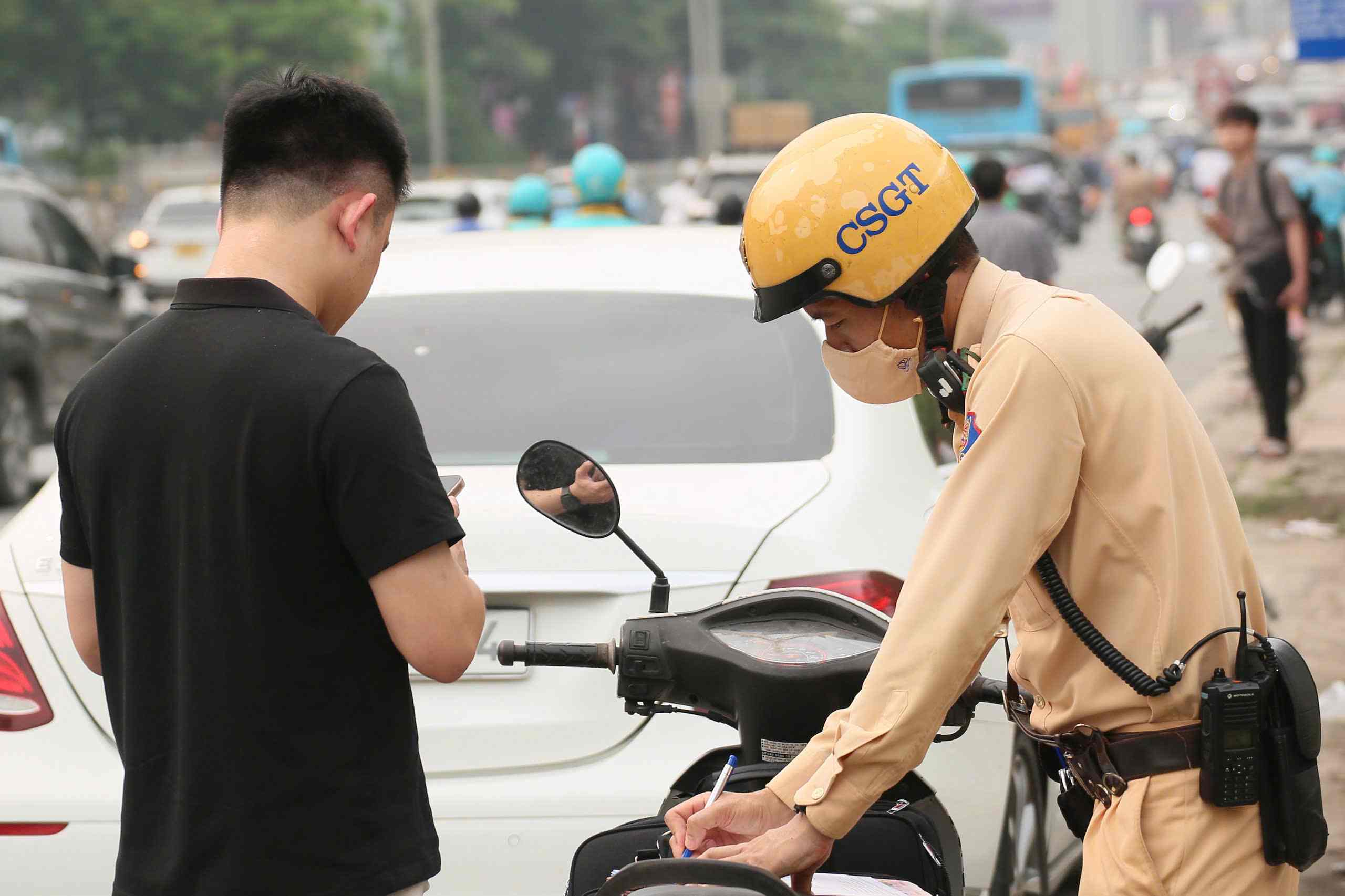
According to the plan, the Traffic Police force (CSGT) will coordinate with professional units and commune-level police to organize patrols and inspections on main axes, central roads, beltways, gateways to and from the Capital, as well as areas with high vehicle density such as bus stations, hospitals, schools, and central streets that are frequently congested.
Violations that are focused on handling include stopping and parking in places with no-parking signs; occupying pedestrian lanes; stopping and parking at intersections; parking sideways, parking in the opposite direction...
The subjects of handling include many types of vehicles such as private cars, taxis (including technology taxis), passenger cars, trucks and motorbikes.
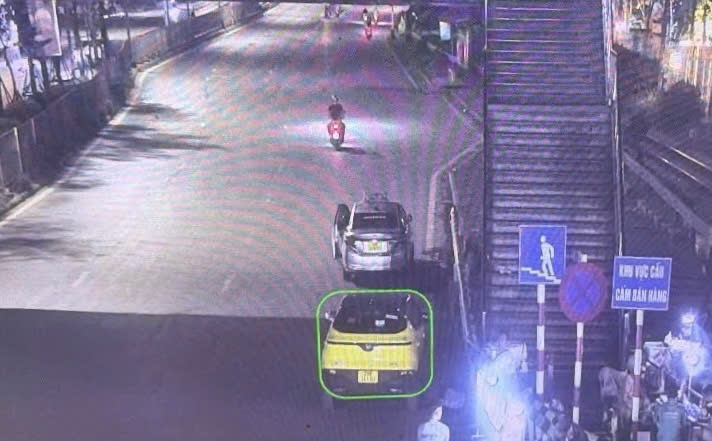
Notably, functional forces will strengthen the application of technology in monitoring and handling violations, through surveillance camera systems and AI cameras in the area. Violations will be detected, recorded and handled promptly, contributing to improving management efficiency and limiting recidivism.
Hanoi City Police emphasized that the handling will be carried out strictly and thoroughly, with the spirit of "no forbidden zones, no exceptions". Thereby, aiming to raise the awareness of law compliance of traffic participants, especially in stopping and parking vehicles in accordance with regulations.
In addition to handling, functional forces also promote propaganda and mobilize people and transport businesses to raise awareness, and at the same time coordinate with press agencies to promptly inform about the handling results, creating a deterrent effect in the community.
The implementation of the plan is expected to contribute to removing traffic "bottleneck points", especially in the area of school gates, hospitals, commercial centers and key roads; gradually building a civilized traffic lifestyle, towards a smooth, safe and modern Capital.


