
Water regulation pressure in concentrated production areas
According to Vinh Long Provincial Hydrometeorological Station, at the end of February 2026, saltwater intrusion will continue to be complicated, the level of natural disaster risk is at level 2. The salinity boundary of 4‰ appears and lasts for many days on the main rivers.
On the Co Chien and Ham Luong rivers, the salinity boundary of 4‰ encroaches 40–50km deep, approaching specialized fruit tree growing areas and densely populated residential areas, increasing the risk of local freshwater shortages.
Mr. Tran Huu Nghi - Vice Chairman of Cho Lach Commune People's Committee - said that the whole commune has more than 3,000 households producing seedlings and ornamental flowers, with high irrigation demand, completely dependent on stable water sources.
When there is a notice of saltwater intrusion exceeding the threshold, the commune closely monitors the salinity developments according to each tide, proactively closing culverts on Co Chien and Ham Luong routes to limit saltwater intrusion into the fields.
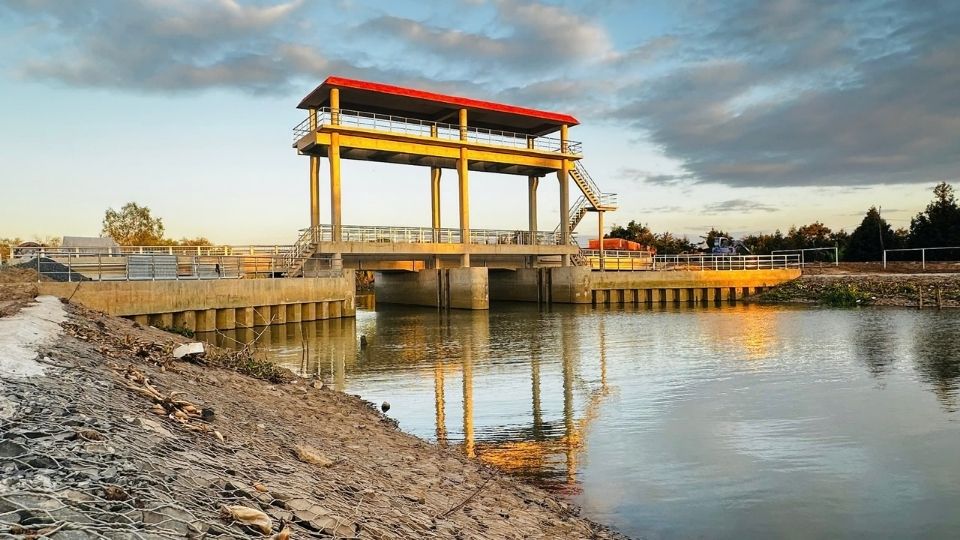
The locality manages about 150 round culverts with a diameter of 6 inches and 2 large culverts, each gate about 10m2 wide. The opening and closing are calculated by the hour to maintain water source stability.
People coordinate to reinforce embankments, check garden ditches, invest in ponds and lakes lined with tarpaulins to store water. However, if salinity lasts for many consecutive days, the reserve water will quickly decrease," Mr. Nghi added.
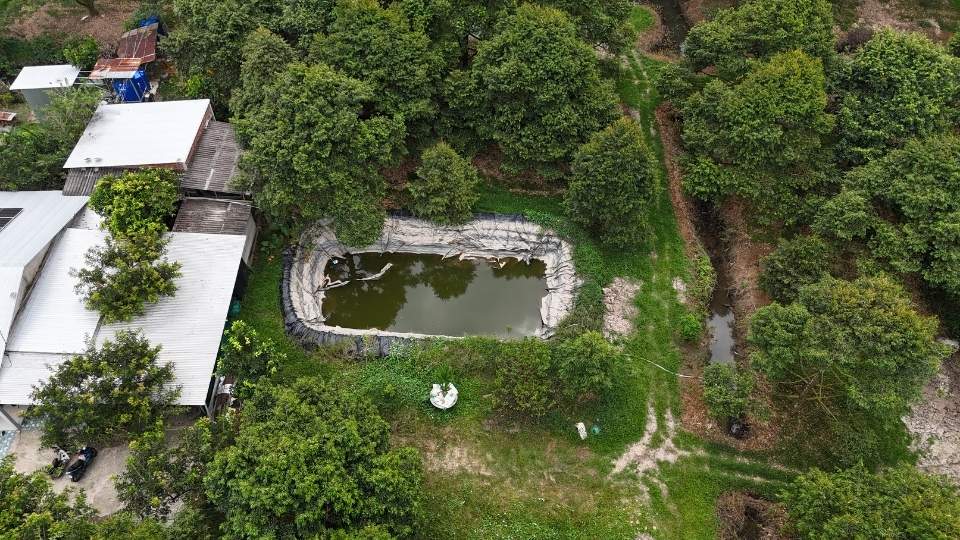
In Quoi Thien commune - a concentrated durian growing area with large areas - the pressure is even heavier due to the characteristics of crops sensitive to salinity and the requirement for irrigation according to the growth cycle.
When receiving notifications of salinity exceeding the permitted level, the commune immediately organizes to close 5 culverts on the main axis, and at the same time monitor salinity at branch canals to avoid saltwater intrusion back through the inter-field roads.
Currently, 4 new culverts are under construction but not yet completed, making water source regulation heavily dependent on the existing system. If high tides coincide with the time of fresh water shortage, the risk of passivity is very high.
Although many households have proactively dug ponds and laid tarpaulins to store water, the stored amount is only enough to maintain irrigation for 3–4 days. If salinity is maintained for a week or more, the durian garden may be affected in growth.
In addition to irrigation pressure, the cost of pumping, operating machinery, and reinforcing embankments has also increased significantly. Some households have to divide the rotating irrigation area and accept reducing the intensity of care.
Accelerate construction to improve project resistance
Mr. Nguyen Thanh Vinh - Acting Head of Project Operations Department 1, Vinh Long Agricultural Project Management Board - said that saltwater intrusion prevention works are being implemented urgently, ensuring the set schedule.
Currently, the construction unit is focusing manpower and construction vehicles continuously, closely monitoring the site for each item to promptly remove obstacles and not delay progress during the peak of saline intrusion.
For the 4 culverts in Quoi Thien commune, it is required to accelerate construction, striving to complete them in 2026 to increase the ability to close the system and reduce dependence on tidal factors," Mr. Vinh added.
Mr. Le Quang Rang - Deputy Director of the Department of Agriculture and Environment of Vinh Long province - said that the salinity limit of 4‰ is a dangerous threshold for many crops, not suitable for daily life if not treated.
The agricultural sector will continue to monitor and update information promptly to the grassroots level; and at the same time guide the adjustment of crop schedules, conversion of suitable crops, and improvement of water storage capacity.
In the context of unpredictable saline intrusion, completing works, operating flexibly and improving people's adaptive capacity are considered key solutions to protect long-term production.


