
Seafood exploitation is not only for economic purposes
Any province in the Central region has a sea, bordering the sea. This is a land with many fishermen in the fields. Going out to sea to fish for seafood not only makes a living, develops the family economy and society, but also contributes significantly to affirming and protecting Vietnam's sovereignty over the sea and islands.
Historically, although boats, machinery and equipment are still rudimentary, fishermen in the Central region have gone fishing far from shore. Participating in marking sovereignty over Vietnam's Hoang Sa and Truong Sa archipelagos. When the Nguyen Dynasty government conducted territorial management, marked sovereignty markers, and established troop positions and the Hoang Sa infantry team that also ruled the North Sea (the Hoang Sa island area of Vietnam), fishermen in the Central region took turns participating every year. This has become a habit and practice, eating deeply in life, developing into a folk culture. Today, it is not only the cemetery of the army's fallen army, the temples, and the shrines that appear to worship their own names, but also in the stories and folk songs. Currently a festival - intangible culture - "Khao selang soldan Hoang Sa" is held annually until now.
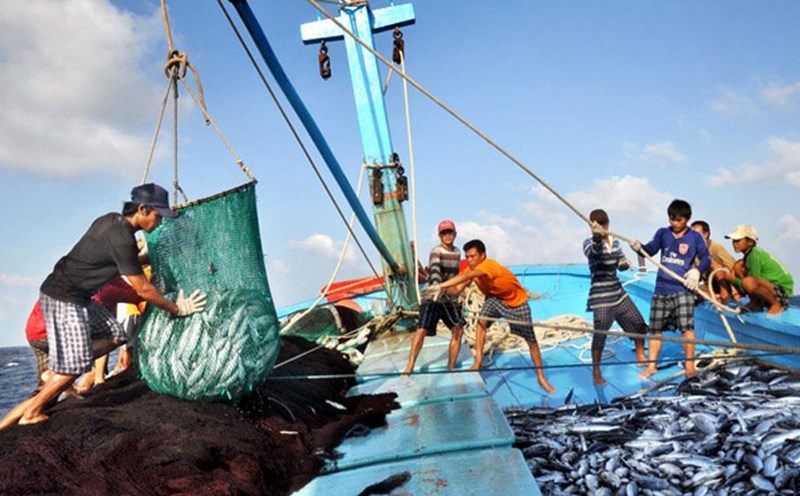
Exploitation, fishing of seafood and marine occupations have been associated throughout history, covering the Central Coast localities, becoming an important economic sector for many families and regions. However, legal fishing management in the new era is extremely important and necessary to protect natural resources, the environment and commit to international laws and agreements that Vietnam participates in.
However, strengthening management does not mean creating strict regulations, forcing fishermen to comply, but also guiding, equipping, and creating conditions for people to do business and develop.
Fishing port projects, fishing wharves, electronic control systems and synchronous logistics infrastructure are creating real changes, proving that infrastructure investment not only serves fisheries management but also contributes to stabilizing livelihoods, improving life and expanding green economic values in the locality. Contributing to maintaining and developing the marine profession, participating in protecting the sacred sovereignty of Vietnam's sea and islands.
A sea job is solid from the shore
In Quang Ngai, fishing ports built and put into operation according to the new standards have fundamentally changed the way of tracing the origin and controlling fishing vessels. Sa Ky Port, Dong Son Commune is invested according to type III standards with an area of over 7,000 m2, meeting the need to unload about 15,000 tons of seafood per year. 19/5 Port and Tra Bong River Port have also been reopened, eliminating spontaneous unloading - which is a major loophole leading to IUU violations.
Mr. Nguyen Thanh Hien, Deputy Head of the Quang Ngai Province Fishing Port Management Board, said that the locality ensures that 100% of fishing vessels are updated to VNFishbase and traced their origin through the eCDT system. Close monitoring of unqualified vessels helps make production transparent, creating a "shield" to prevent IUU products from entering the consumption chain.
Not only stopping at the control factor, newly formed fishing ports also create a favorable environment for ships to anchor safely, reduce the risk of natural disasters, and help fishermen feel secure going out to sea. Each completed project is a new link in the overall fishing infrastructure system, improving monitoring efficiency from the time the ship leaves the port, does port until the product enters the circulation chain.
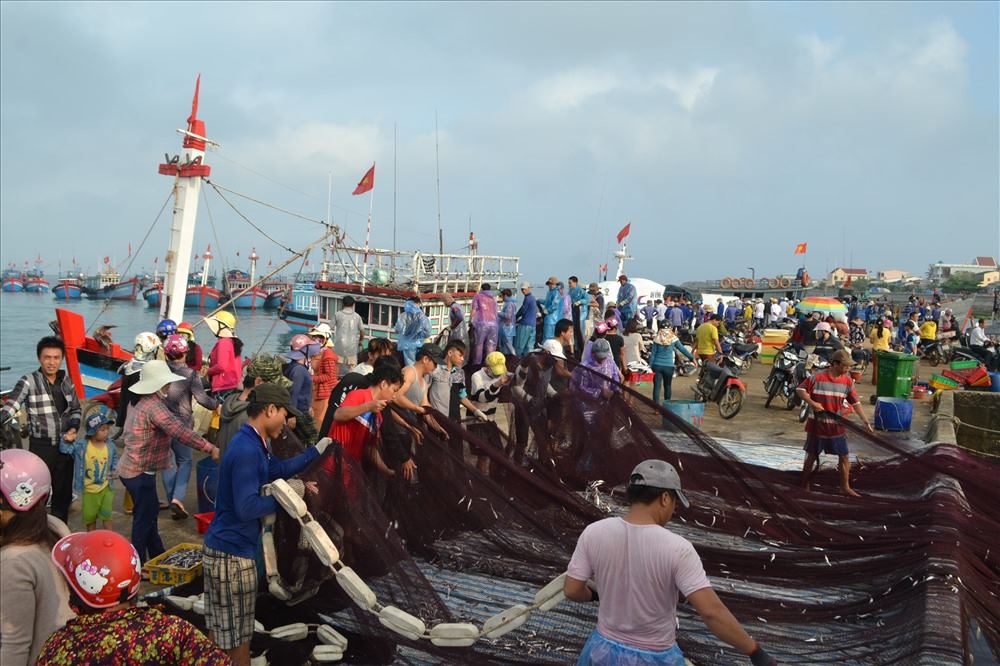
In Da Nang, the Upgrade and Expansion of Tho Quang Fishing Port Phase 2 with a total investment of 250 billion VND has been completed, becoming a Type I fishing port with a wastewater treatment system of 300 m3/day and night and a regional storm shelter area. This is an important IUU control center, where a synchronous process of monitoring vessels entering and leaving, recording output and certifying origin is applied according to EC requirements.
Fisherman Phan Minh Hung, Son Tra ward, said that upgrading fishing ports and boat docks will facilitate seafood trading and reduce losses after exploitation.
Mr. Phan Van My, Deputy Director of the Department of Agriculture and Environment of Da Nang City, affirmed that the city is continuing to expand and announce more fishing ports that are qualified to operate, including Hong Trieu port and Tam Quang port (in the old Quang Nam area).
Infrastructure contributes to combating illegal fishing
Not only serving exploitation control, modern fishing infrastructure creates a premise for coastal agriculture to link with green tourism. In many areas of the Central - Central Highlands, the model of agricultural tourism and community tourism based on agricultural - fishery livelihoods is becoming a sustainable direction. People do not only rely on marine exploitation but combine sightseeing, green agriculture experience, seafood processing, and introduction of local specialties.
These models, according to analysis by many experts, have contributed to maintaining stable income for people in poor areas, especially in areas directly affected by climate change. The marine economy combined with agriculture - green tourism services helps fishermen reduce the pressure to go offshore despite risks, in line with the orientation of sustainable economic development.
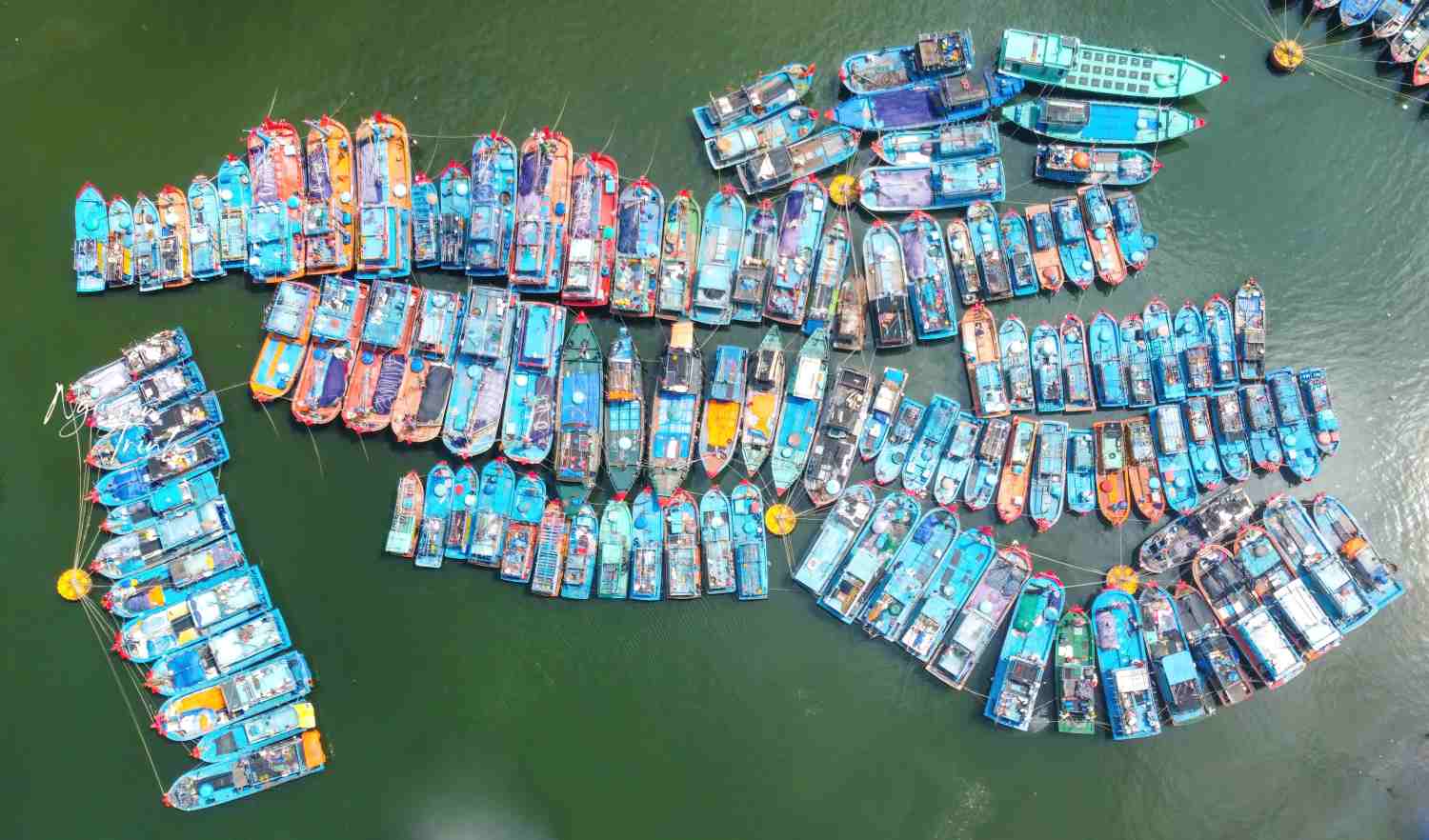
When the fishing infrastructure in the Central region is modernised, the agricultural - fishery value chain from the Central Highlands to the coastal provinces also has conditions for connectivity, supporting product consumption, attracting tourists to experience.
In addition to the livelihood factor, complete fishing infrastructure is a prerequisite for combating IUU in practice. Tightly controlling fishing vessels, automatically recording fishing logs, confirming electronic origin and monitoring output at ports are the foundation for transparency of Vietnam's seafood supply chain. As Mr. Nguyen Quang Toan, Deputy Director of the Department of Fisheries and Fisheries Control, emphasized, investing in upgrading fishing ports is an important requirement to meet the EC's recommendations and move towards removing the "yellow card".
Looking more broadly, the modern fishing port system also supports building a green sea economy. When traceability is strictly implemented, legal seafood products are guaranteed, creating a reputation for Vietnamese exports. Along with that, the environment at fishing ports has been improved, wastewater is treated according to standards, pollution is reduced, service quality is improved and a civilized image is created in the eyes of tourists.
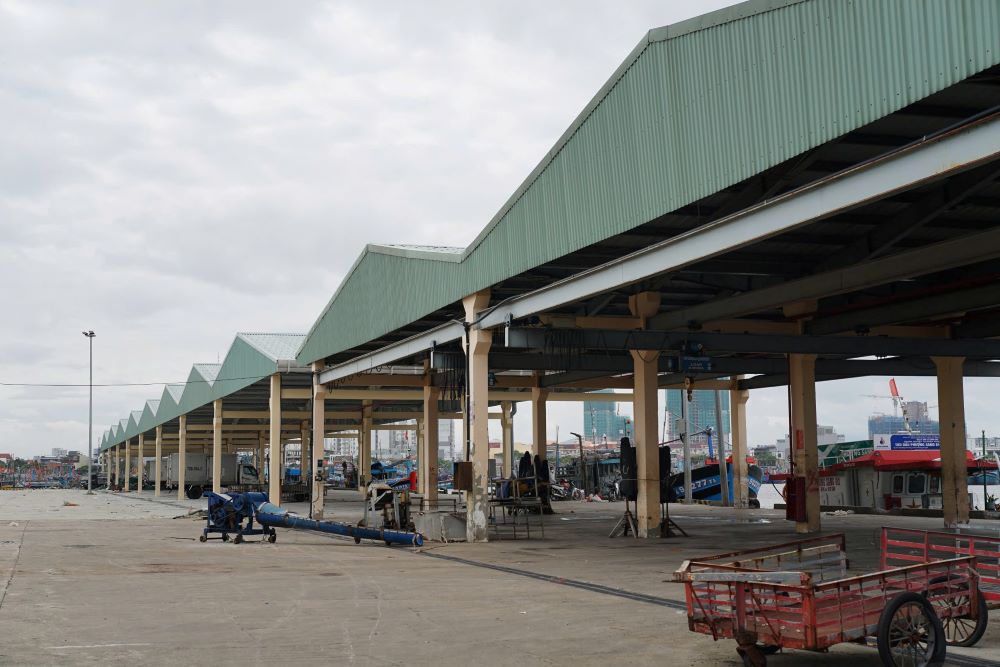
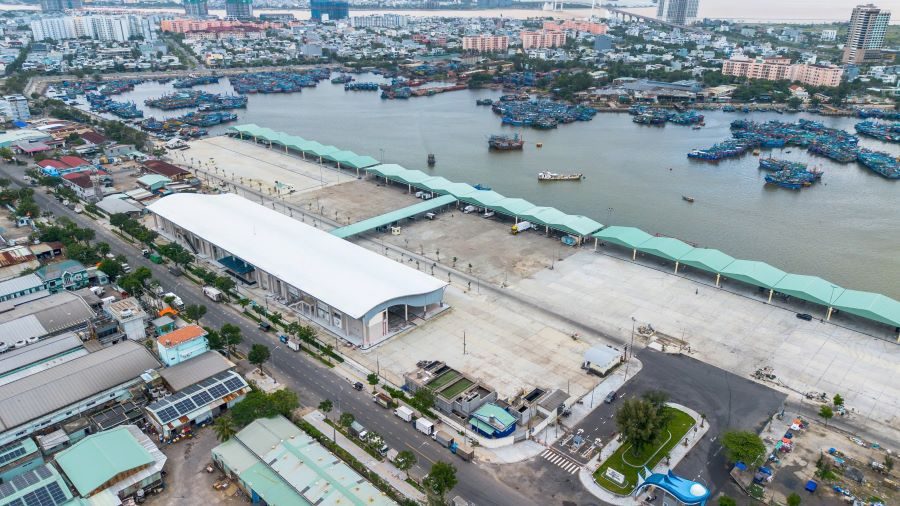
Da Nang's largest fishing center - Tho Quang Fishing Port after upgrading, marking a new step forward in infrastructure completion. The project has been comprehensively renovated, from the seafood trading area, water supply and drainage system, internal roads, trees, lighting to public toilets and fire prevention and fighting systems. The City People's Committee assigned relevant units to coordinate to ensure the safe and solemn operation of the inauguration event.
Spreading the model
Mr. Nguyen Van Hoa, Secretary of Duy Nghia commune, Da Nang city, said that the seafood industry plays an important contribution to the local economy and society. Adjacent to Hoi An and Da Nang City - strongly developed economic, industrial and tourism centers, it is very difficult to survive in the backward sea profession. Therefore, to preserve, maintain and develop the fishery in Duy Hai, fishermen cannot be allowed to swim on their own. The government must support in many ways. This includes investment in offshore equipment to on-land fishing logistics infrastructure.
Mr. Hoa said that Duy Nghia fishermen continue to feel secure going out to sea and sticking to the sea. The average annual output of seafood products is over 9,000 tons of all kinds, of which seafood with export value accounts for 36%. The total value of local fish - Agriculture - Forestry production in 2025 is estimated at 303.972 billion VND; accounting for 15.75% of the total industry value.
Mobilize fishermen to access investment in cai cai cai hoa, build new large-capacity boats to go offshore to fish far and protect the sovereignty of the sea and islands. Plan the construction of fresh seafood drying yards, creating conditions for processing dried seafood. Speed up the construction progress and put into use the fishing port associated with the after-sales service for fishing in Hong Trieu, contributing to the settlement of labor in the locality, promoting economic development. Develop aquaculture in the direction of intensive farming, treat the environment well, apply science and technology to increase productivity.
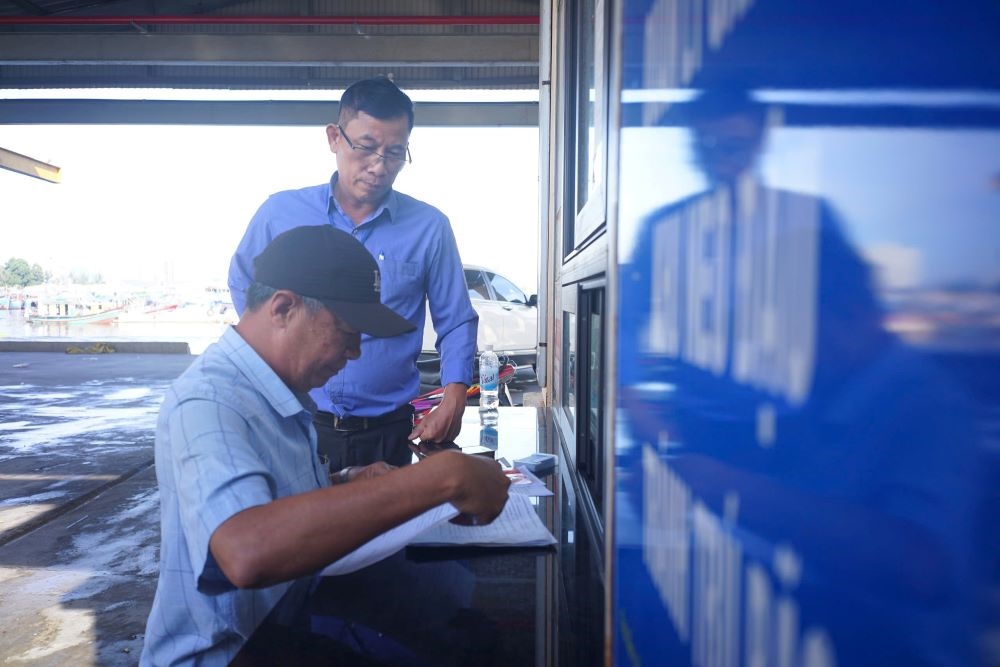
The reality in the Central region shows that when fishing infrastructure is invested in the right way, the IUU fight strategy is no longer a response but has shifted to proactive prevention. Fishing vessels are controlled from the beginning; exploitation output is transparent; traceability records are digitized; and people are supported to diversify their livelihoods through green tourism, clean agriculture and fishing logistics services.
A modern marine economy is not only based on fishing output but must be associated with technology, environment and sustainable development. Fisheries infrastructure is the "backbone" of that value chain - a decisive factor for Vietnam to remove the "yellow card", improve aquatic competitiveness and open up new livelihood opportunities for millions of people in coastal and mountainous areas connected to the marine economy.


