
Recorded at the scene, the work of checking the bridge's load-bearing capacity was carried out according to a strict technical scenario with the participation of a fleet of heavy-duty vehicles.
A total of 14 trucks, each with a load capacity of 25 to 27 tons, have been mobilized to "test" the bridge structure. In the main bridge area, 10 vehicles are arranged in 2 lanes (each lane has 5 vehicles) parked in a row to create concentrated compression pressure on the bridge surface.
At the same time, at the approach spans at both ends of the bridge, 4 other trucks were also spread equally to check the synchronous stability of the entire system.
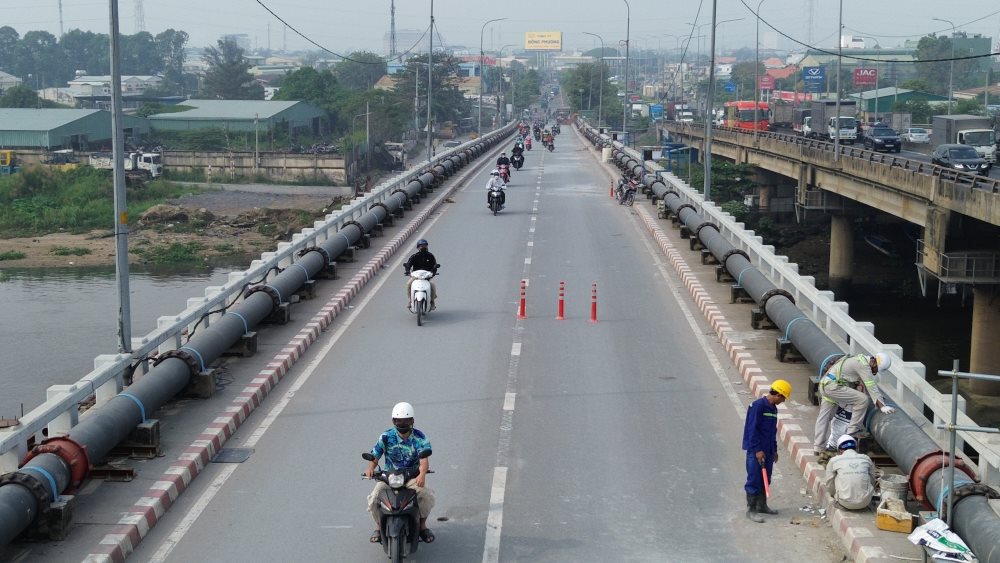
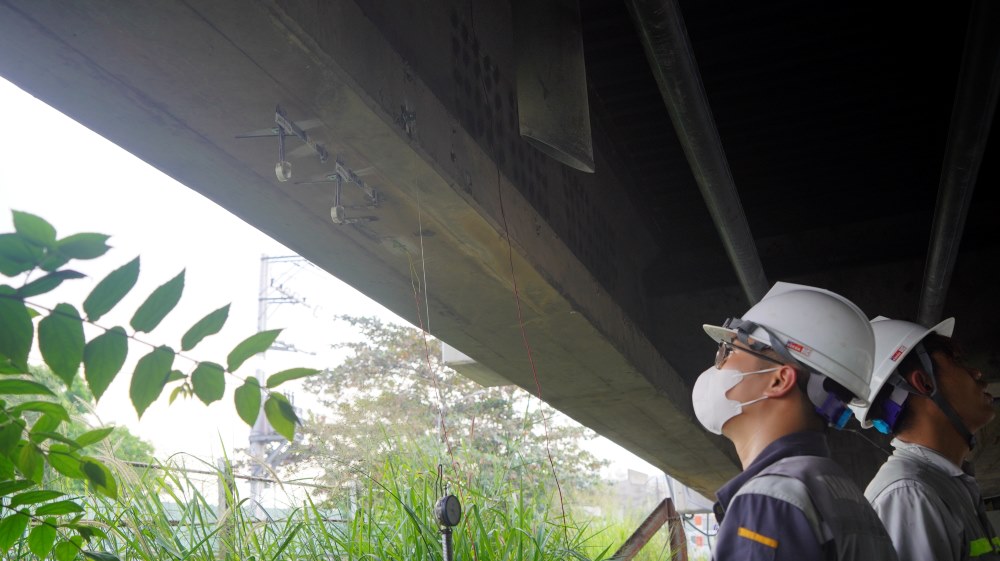
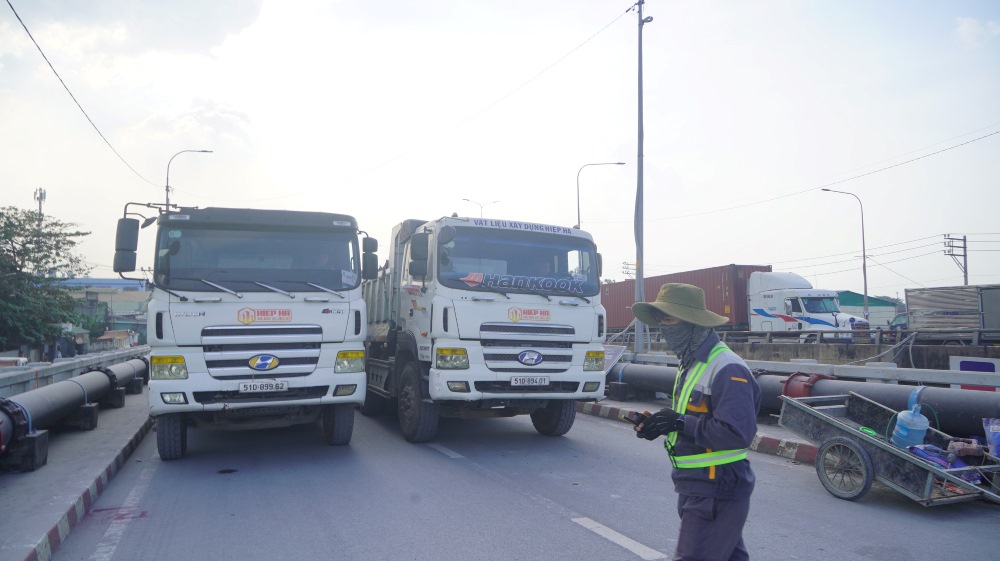
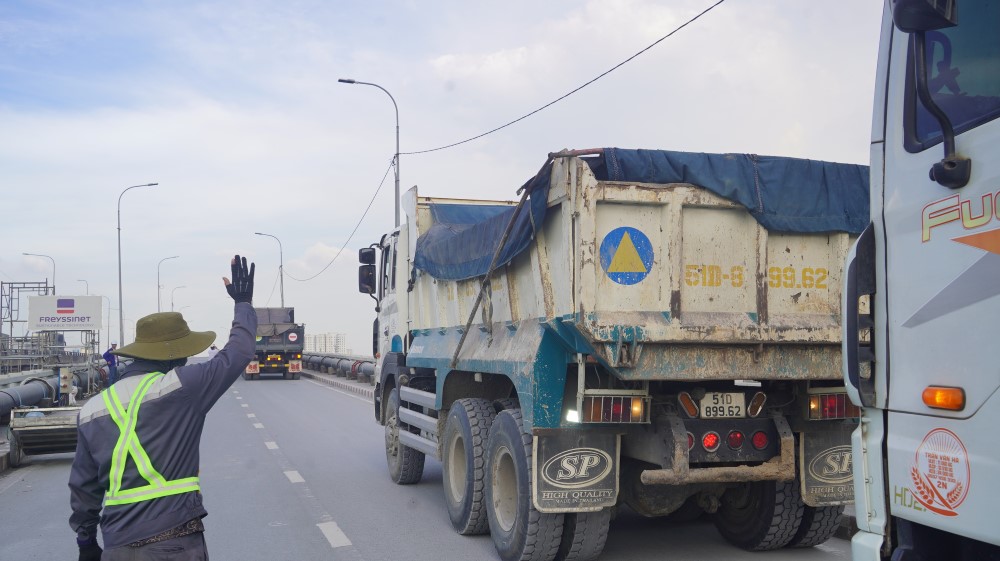
During the process of vehicles moving and stopping according to the scenario, a series of specialized sensors installed at vulnerable locations continuously transmit data to the processing center. Engineers focus on measuring and closely monitoring complex technical parameters such as: Stretch of the structure; yield in concrete and steel beams; indicators of the shock system and especially fluctuations in the beams, abutments, and bridge piers.
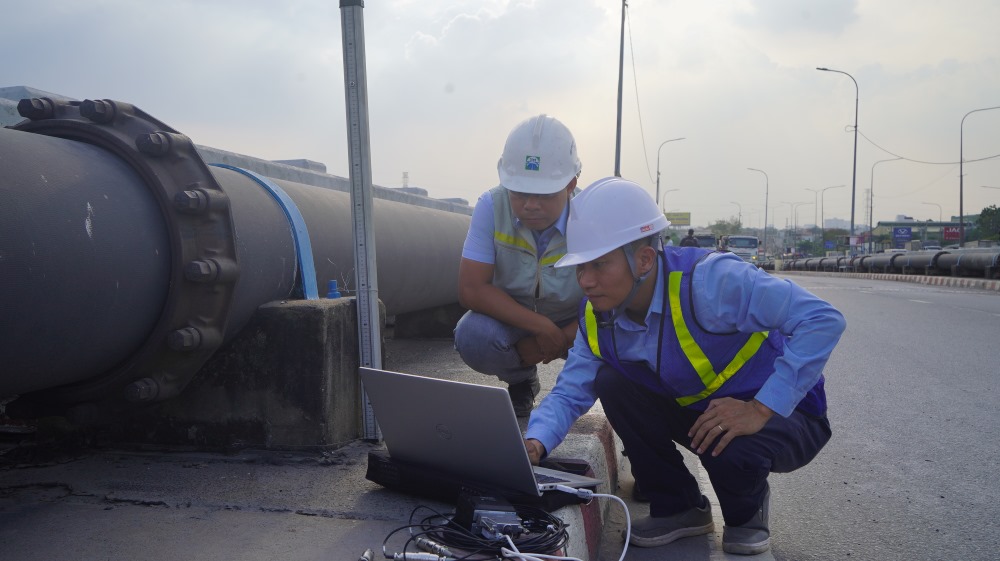
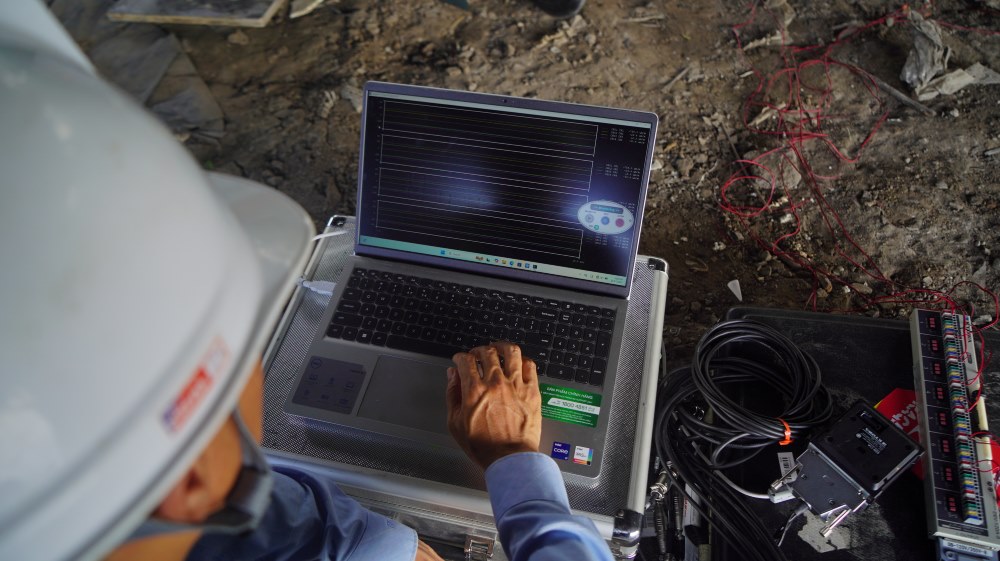
The purpose of this large-scale load test is to accurately assess the actual load-bearing capacity and "behaviour" of the structure after the repair, reinforcement and elevation process.
Based on the measurement results, the consulting unit and the investor will have a scientific basis to make conclusions and recommendations on exploitation capabilities, especially the maximum allowable exploitation load of the entire project to ensure absolute safety.
In addition, this result also contributes to the objective assessment of the effectiveness of the just-implemented enhanced repair solution, thereby creating a source of reference data to help investors and design consultants apply to projects of similar nature in the future.
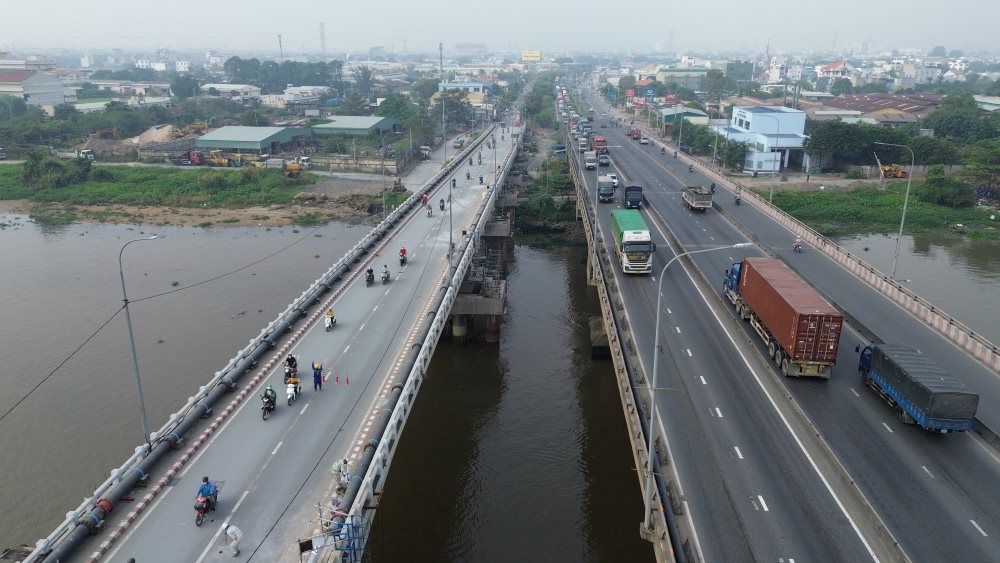
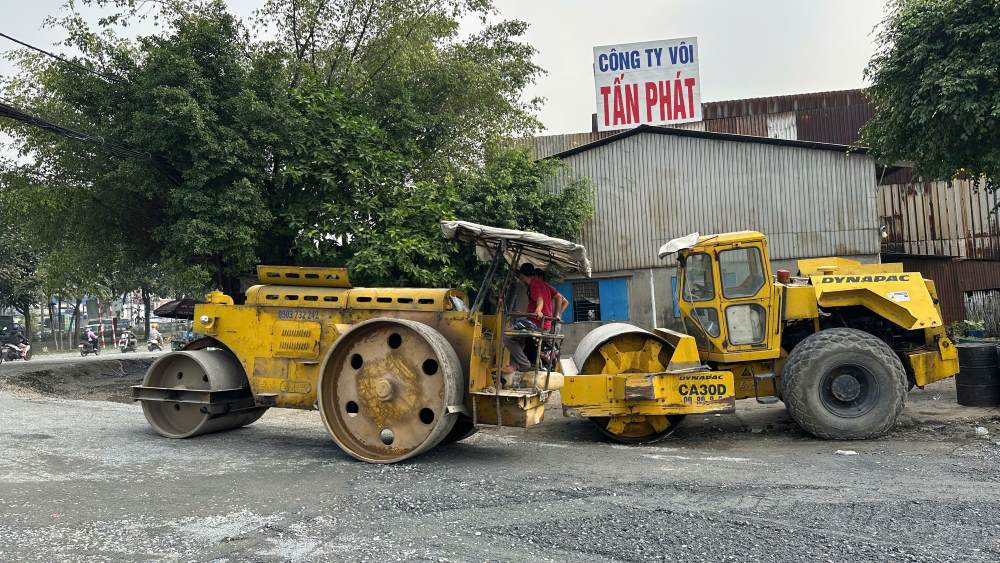
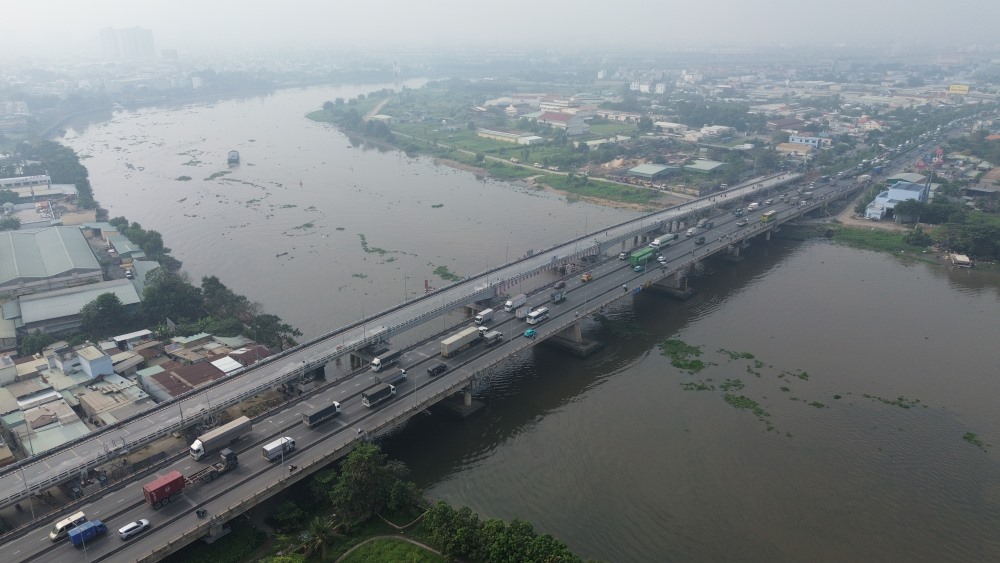
It is known that the Binh Phuoc 1 bridge raising project has a total investment of about 111 billion VND. Applying hydraulic shock technology to a structure weighing thousands of tons instead of demolishing the new construction is assessed to help save the state budget by 5 times.
After completing the lifting, the bridge clearance will reach 7 m, helping to solve the problem of waterway traffic for large ships on the Saigon River. Currently, the project is rushing to complete the final reinforcement stages to soon put back into operation to serve the people.


