
Unforgettable memories of soldiers of the past
The war has receded, the country has become peaceful, but for many veterans, the years on the battlefield are still intact in their memories. Every time they recall, they not only remember the hardships and losses but also shine with pride about a time of youth dedicated to the Fatherland. The stories told are not only memories but also vivid proof of the will and courage of Vietnamese soldiers.
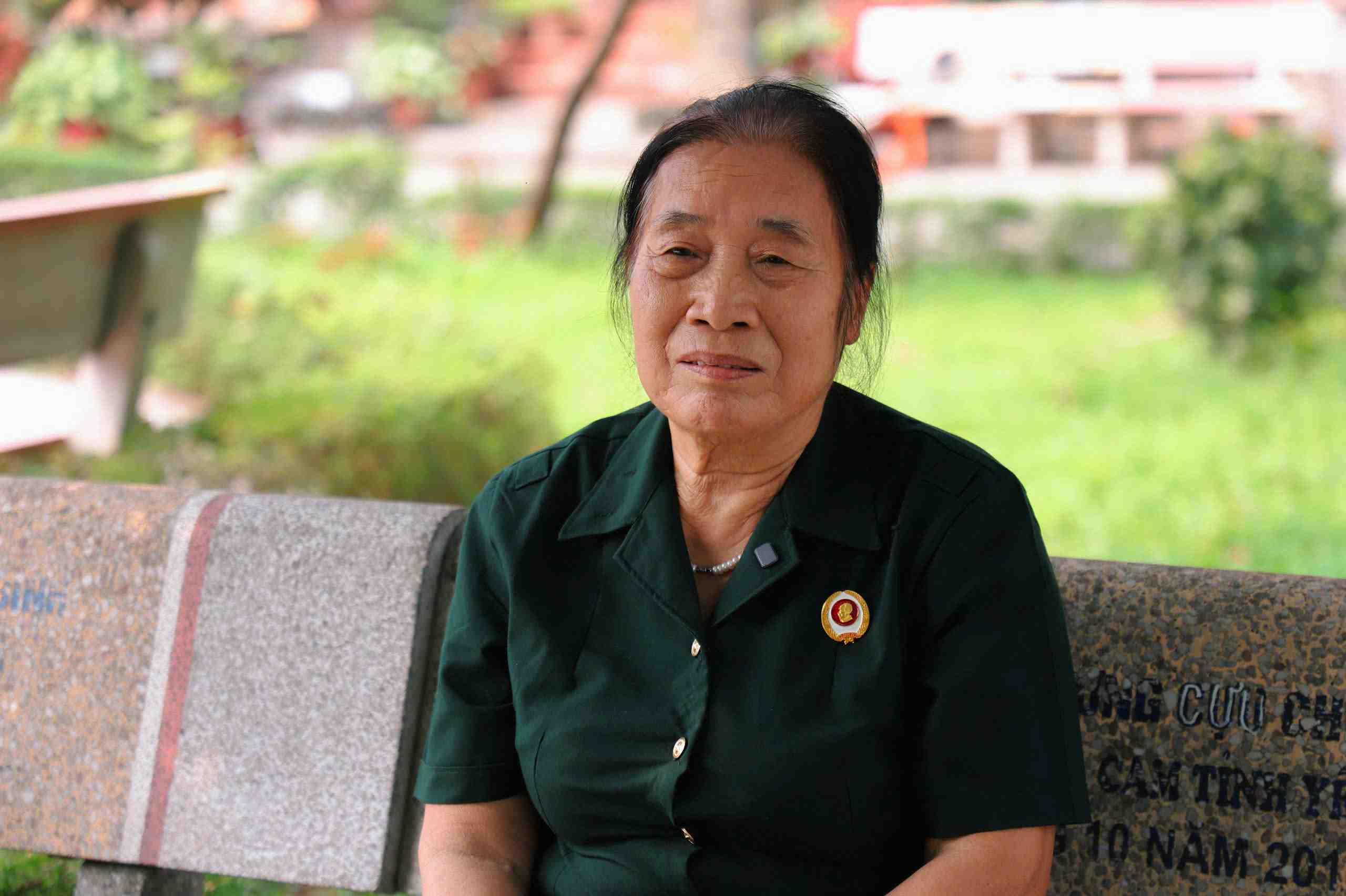
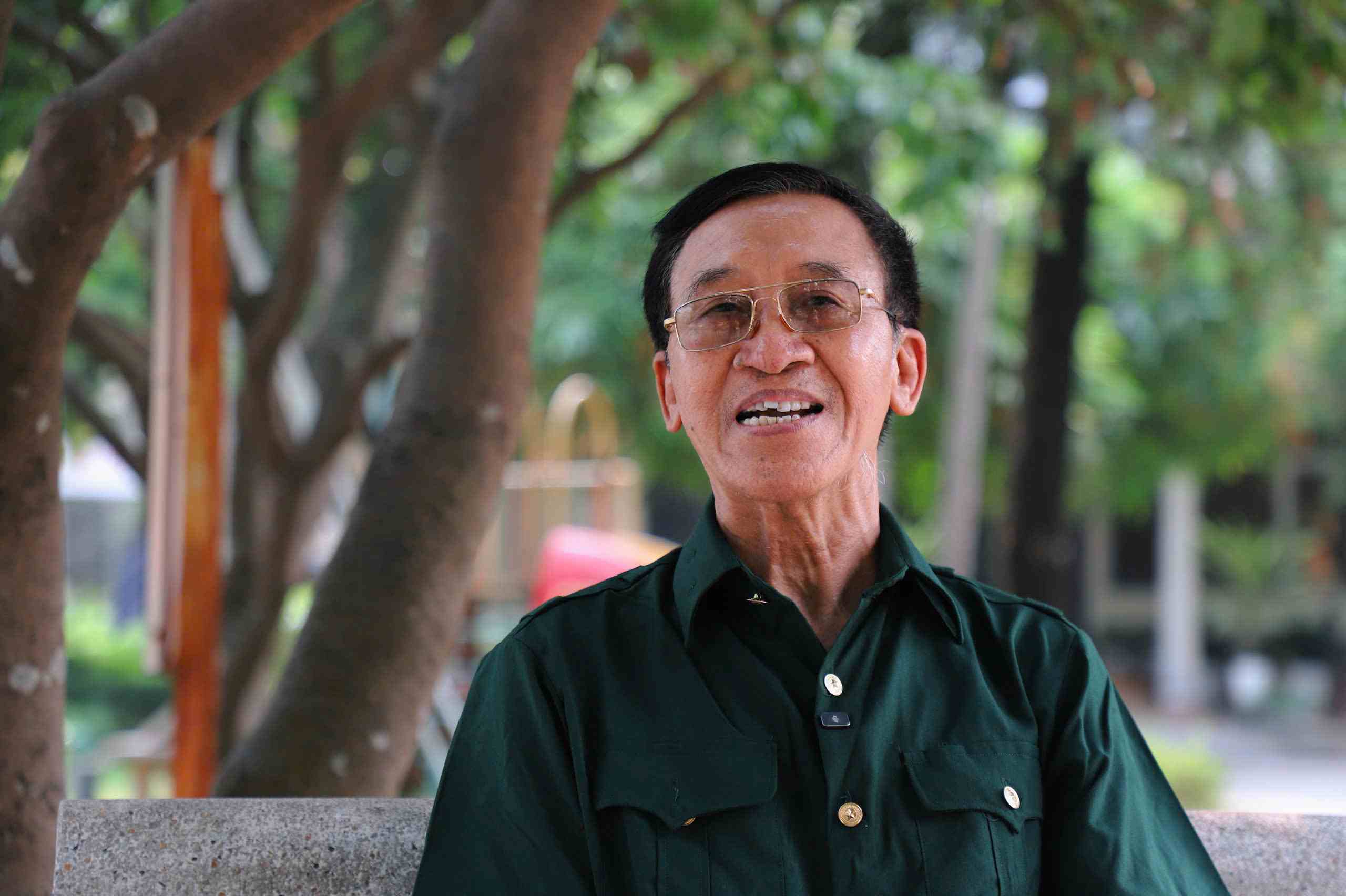
After graduating from high school, despite having a university admission notice, Mr. Le Huu De (Hung Yen) still volunteered to write an application for military service. In June 1968, he began enlisting, and in November of the same year, when he entered the southeastern battlefield, he was added to the combat unit of Company 2, Battalion 1, Regiment 38, Division 7.
The deepest mark in his military career was the Nguyen Hue campaign in 1972 in the Southeast region. In early May 1972, his unit received the task of blocking Tau O culvert on National Highway 13 for 150 days and nights to prevent the US - puppet regime from supplying tanks and infantry to Binh Long town (former Binh Phuoc province, now Dong Nai). At this fierce battlefield, he stayed for about 20 days before being injured by bombs and artillery. After treatment, by November 1972, his health was temporarily stable, and he returned to the unit to continue fighting.
Mr. De recalled: "In those 150 days and nights of blockade, our unit sacrificed more than 1,000 people. The fierceness not only came from bombs and bullets but also from harsh living conditions. There were days when the cook was carrying rice and water to the battlefield when a bomb fell, and the brothers stayed and had to starve. When they were too thirsty, they drank water from bomb craters, even at night they went to the stream and saw all the corpses of the puppet soldiers, but they still had to drink because if they didn't drink, they would die dry before being hit by bullets.
Around October 1974, his unit fought the Dong Xoai battle (former Phuoc Long province, now Dong Nai) - a battle of "experimental" nature in preparation for the general offensive. During his military service from 1968 - 1974, he continuously participated in many large and small battles, leaving a part of his flesh and blood on the battlefield for the day of independence.
Sharing the same memories of a time of fire and flowers, if Mr. De was the person directly holding the gun in the front line, then the story of Mrs. Nguyen Thi Kim (from Hung Yen) is a touching cut about the silent female military doctors behind the front.
Born into a family with rich revolutionary traditions, Ms. Nguyen Thi Kim carried in her heart a great pain of loss: Her father sacrificed himself in the resistance war against France, and her two uncles also successively fell in the resistance war against the US before they could get married. Witnessing her loved ones all dedicating their lives to national independence, right after graduating from high school, Ms. Kim put aside her personal dream to volunteer to enlist on August 24, 1973.
Seeing that my family members had all sacrificed themselves for the war, I still wanted to volunteer to go to the battlefield. Back then, I was young and didn't know what fear was," Ms. Kim recalled emotionally.
Although not directly holding guns to fight on the battlefield, the work of a female military doctor at that time was also full of obsessions. In those days, the field medical station was lacking in every way, but Mrs. Kim and her comrades still tried; they were the ones who directly changed bandages, cared for and cleaned severely wounded soldiers. She still cannot forget the image of comrades whose bodies were taken away by bombs and bullets, missing arms and legs.
Vietnam Friendship Village - A fulcrum to soothe the pain of Agent Orange for soldiers after April 30, 1975
Leaving the battlefield, many veterans still carry wounds that have not healed, both physically and mentally. Therefore, intensive care and nursing has become a noble humanitarian task.
Vietnam Friendship Village was established in 1998. For nearly 30 years, the Friendship Village has had the task of caring for and nurturing veterans and former youth volunteers and caring for, nurturing, functional rehabilitation, education, and vocational training for children who are children and grandchildren of veterans and former youth volunteers exposed to Agent Orange/dioxin.
The village is a gathering place of dedication, where veterans like Mrs. Kim and Mr. De enjoy medical care regimes, and participate in vibrant cultural and spiritual activities.
2026 is the first time Ms. Kim and Mr. De have returned to nursing at the Vietnam Friendship Village. Here, the concern of the Board of Directors and the dedicated care of officials and employees have partly soothed the sacrifices and losses in the war.
During this nursing period, Ms. Kim was the only woman. On the first day at the Village, she could not hide her sadness, even intending to ask to go home. However, thanks to the encouragement of veterans and the dedication of village officials, she gradually felt comfortable and more attached to this place.
At first, I felt a little sad that I had never been to the Vietnamese Friendship Village, and didn't know much about the village, but being encouraged by the aunts and uncles, the aunts and uncles here cared for me from the time I got out of the car, looked for rooms, and took care of me in every detail, so I stayed here. Only now do I see that comradeship is still intact" - she shared.
According to Ms. Kim, during her recuperation, she was closely monitored and cared for by doctors and nurses. Although she has chronic vestibular disease, since entering the village, her health has become more stable. In addition to resting time, sports and cultural activities also help her become happier and more relaxed.
Sharing the same feelings as Ms. Kim, at the Vietnam Friendship Village, Mr. De had the opportunity to reminisce about the battlefield memories with his comrades, telling each other about the difficult days in bombs and bullets. Returning in peace, enjoying the attention and care of the State for people with meritorious services, he cherishes his current life even more.
Not only participating in activities in the village, we also visited Uncle Ho's Mausoleum, Military Museum... taking many souvenir photos. Those are very precious moments for us" - Mr. De shared.
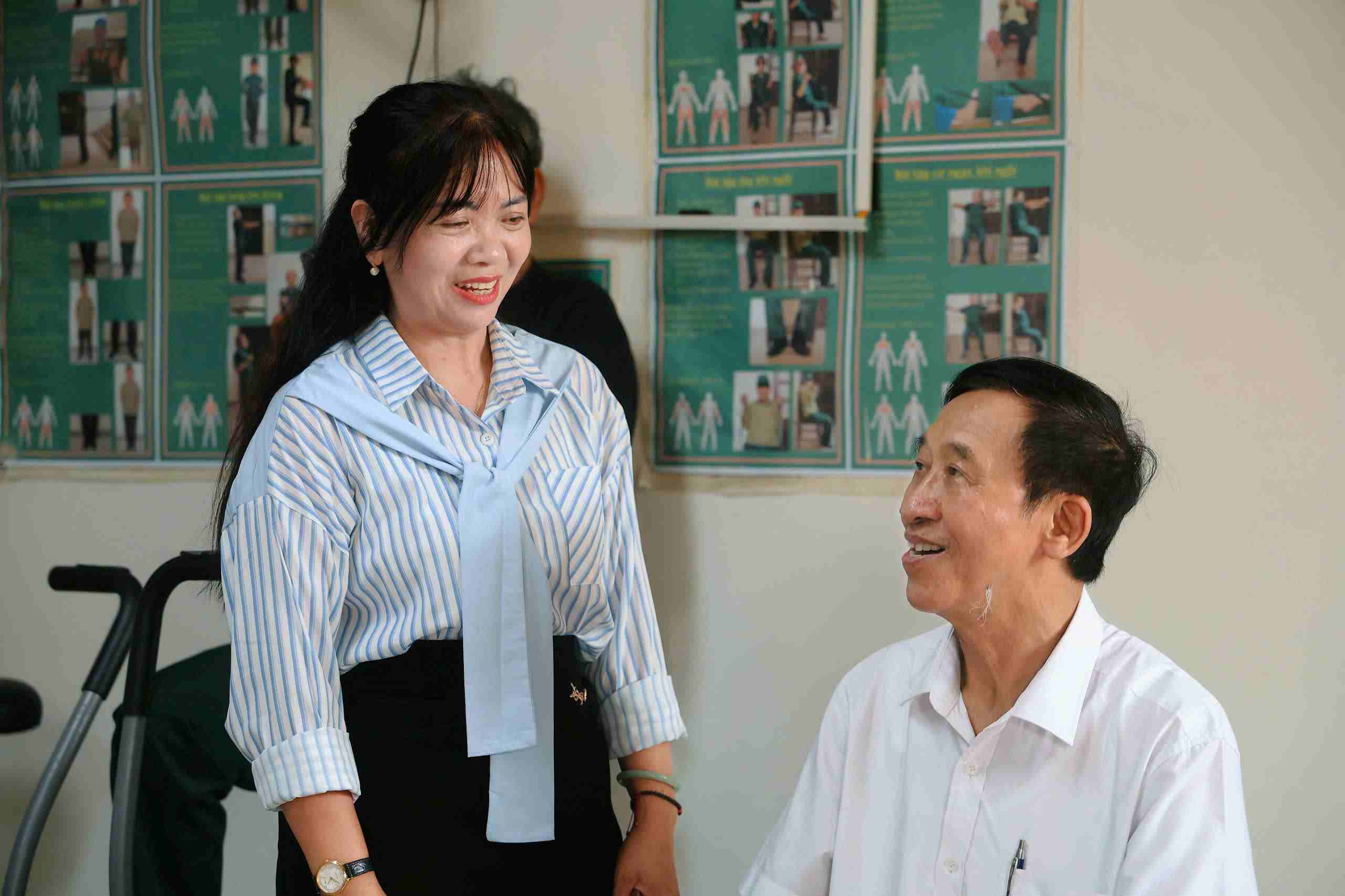
Ms. Dang Thi Toan - staff member caring for and managing veteran homes in Huu Nghi Vietnam village said that each month the village welcomes 2-3 delegations of veterans, each delegation about 20-25 people, some delegations up to 30 people. Before each nursing session, the team of doctors and physicians of the Village Health Center directly goes to the provinces, coordinates with the Veterans Association to examine and select eligible cases to return to the village for nursing treatment within 20 days.
During their time in the village, veterans are comprehensively cared for from eating and resting to physical and mental health monitoring. The Medical Center conducts examinations, tests and develops appropriate treatment regimens, combining modern medicine and traditional medicine, along with rehabilitation therapies and physical therapy to improve the effectiveness of health care for veterans.
With the dedication of the team of doctors, nurses and service staff, many veterans after a period of nursing have improved their health, their spirits are more comfortable and they want to have the opportunity to return.
I am very proud to take care of you - those who sacrificed for the Fatherland so that we can have a peaceful life today. My biggest wish is that you are always healthy, overcome illness, and continue to be a role model for future generations" - Ms. Toan shared.


