
Located at the foot of Ma Pi Leng pass, the H'Mong Ethnic Culture and Tourism Village in Pa Vi Ha village, Meo Vac commune (Tuyen Quang province) is surrounded by majestic rocky mountain ranges. This is where the cultural identity of the H'Mong community in the highlands of Tuyen Quang is lived and preserved.
The village was started at the end of 2016 and officially welcomed visitors from April 2019 on an area of more than 27,000m2, including 3 areas (A, B, C).
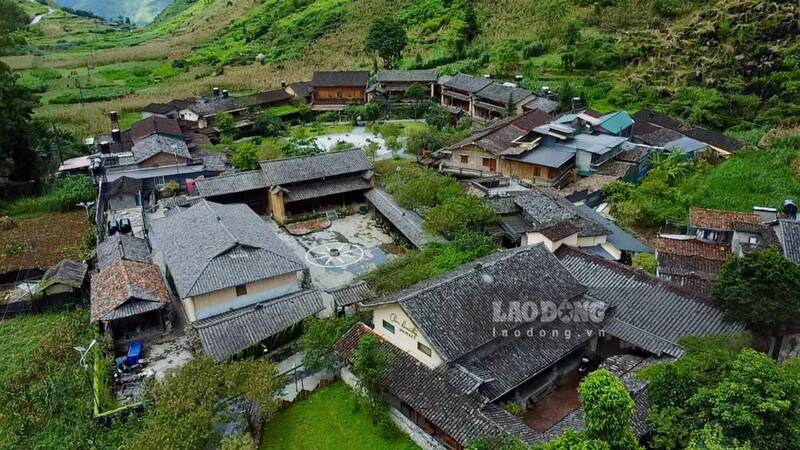
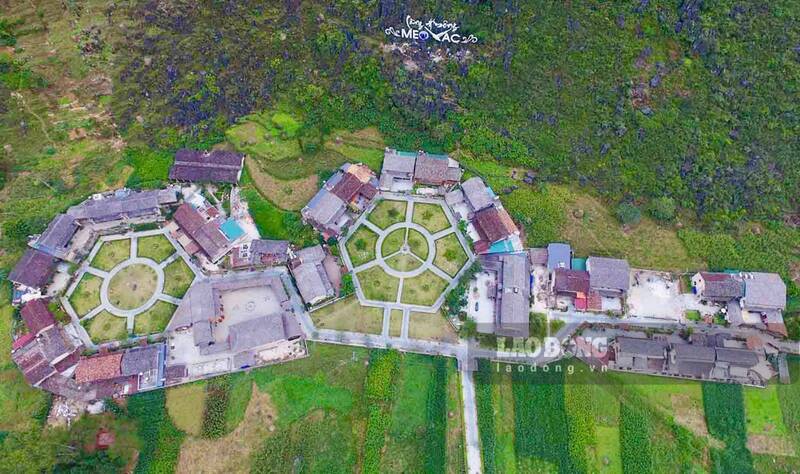
The village currently has 29 apartments directly managed by 19 households, doing community service business.
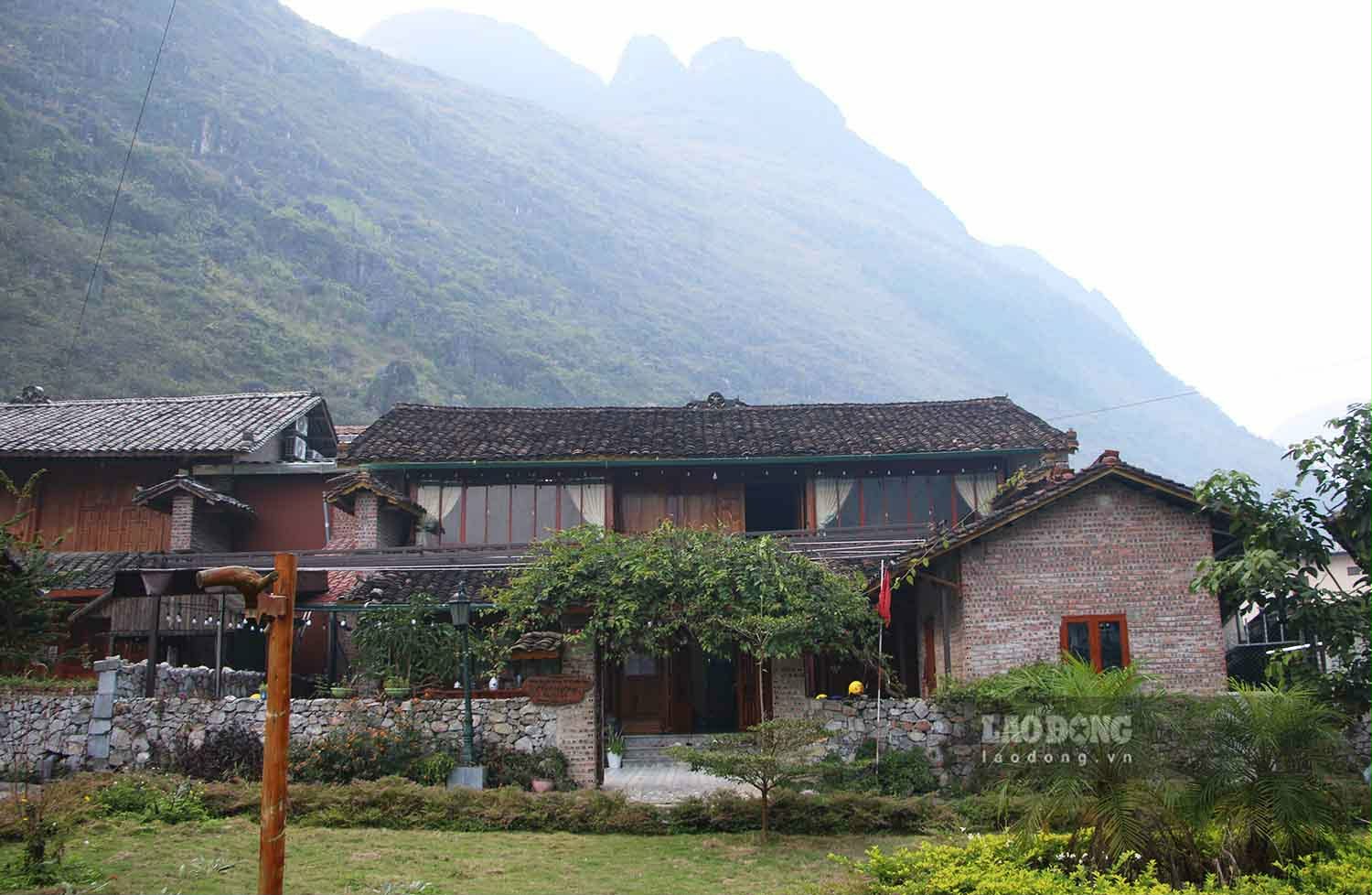
Most of the houses here use locally available materials such as wood, stone and yin-yang tiles with the traditional house architecture of the H'Mong ethnic people.
Currently, people in the village are trained in tourism skills and promote on digital platforms. At the same time, they maintain connection groups to coordinate in serving tourists and organizing community cultural activities.
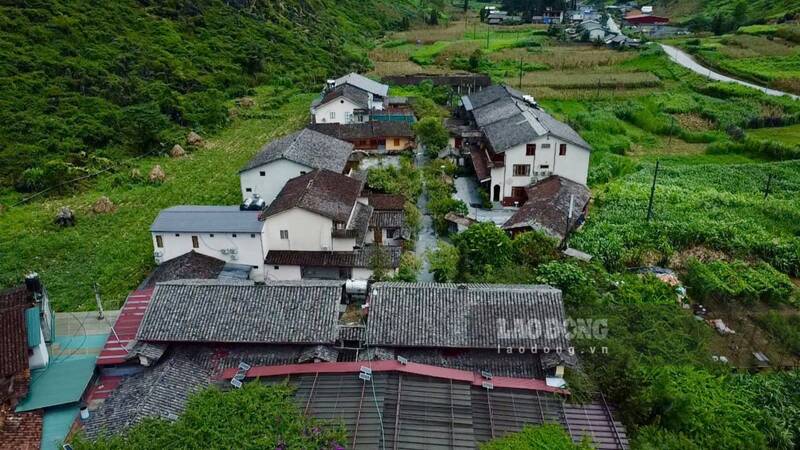
All accommodation establishments in Pa Vi village have been digitized to help tourists easily access information and book rooms online.
H'Mong community tourism village is uniquely designed with an open space, friendly to nature.
The whole village currently has 185 closed rooms (371 beds) and 17 collective bedrooms (203 beds) meeting a maximum of about 800 guests per day, with each household averaging about 10 rooms, and the most households having about 20 private rooms and community rooms.
According to Mr. Chu Minh Quang - Director of the Meo Vac Commune Public Service Center (Deputy Head of the Management Board of the H'Mong ethnic minority Community Culture and Tourism Village Pa Vi Ha, Meo Vac commune), on holidays and Tet, a large number of tourists come to the Meo Vac area and choose to stay at Pa Vi thanks to the quiet space and rich cultural identity.
In addition to accommodation and dining services, the village also has a hexagonal playground serving traditional cultural and artistic performances, contributing to preserving and promoting the H'Mong ethnic identity to tourists.
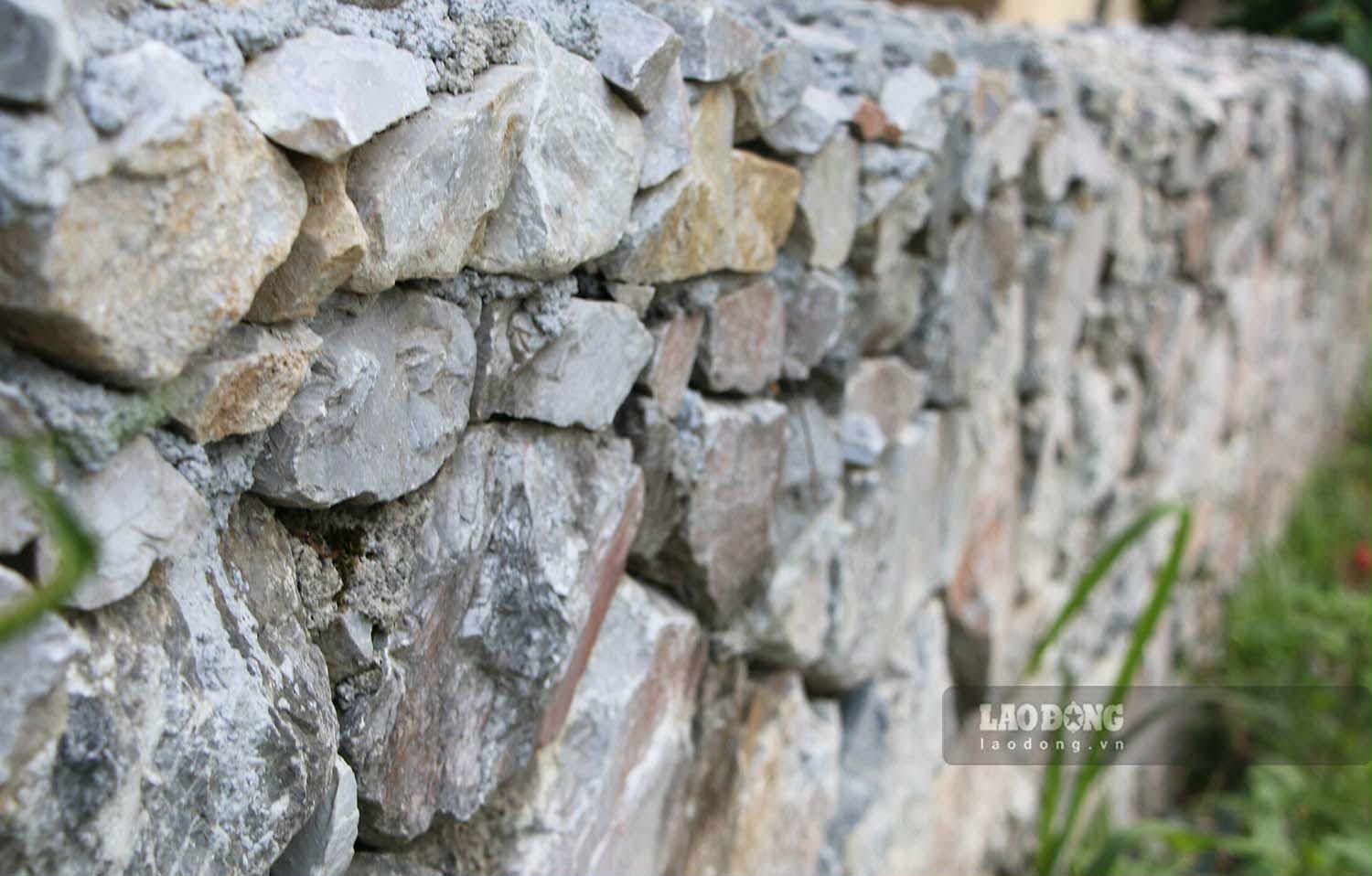
Homestays still maintain rammed earth floors, wooden frames, two-story yin-yang tiled roofs and stone fences. At the same time, they add modern interiors, meeting resort needs but still preserving traditional architectural values.


