
The principle of "no interruption
In Bat Xat commune, these days, the Regional Construction Investment Project Management Board is focusing on reviewing the entire list of projects before reorganizing them according to the new model.
Currently, the unit manages 170 projects in many fields, from transitional works, investment preparation to site clearance projects and management for lease for communes in the area.
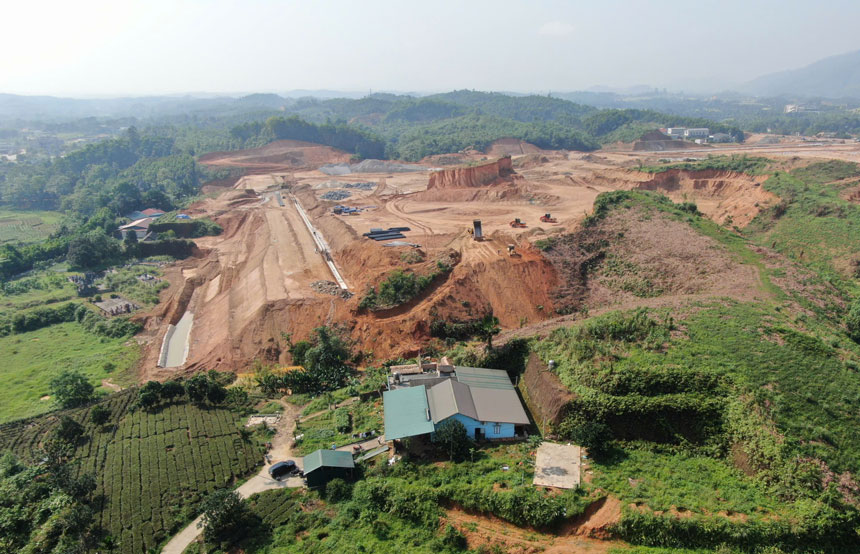
Among them, there are many projects that are entering the final sprint phase such as the Quang Kim - Coc San road or the road from Van Ho village to Suoi Chai that has just been started.
These projects are expected to create more momentum for infrastructure development and trade connection for the border highlands.
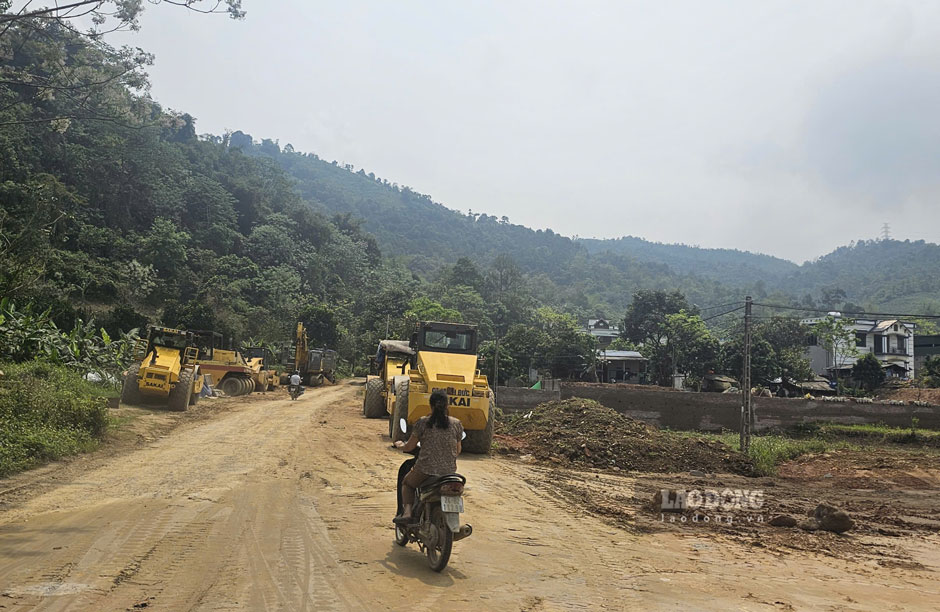
Mr. Vu Van Sinh - Director of the Bat Xat Regional Construction Investment Project Management Board said that according to the proposed plan, only 3 projects are transferred to the provincial-level Project Management Board. The remaining projects continue to be assigned to the Bat Xat Commune Construction Investment Project Management Board after establishment for management and implementation.
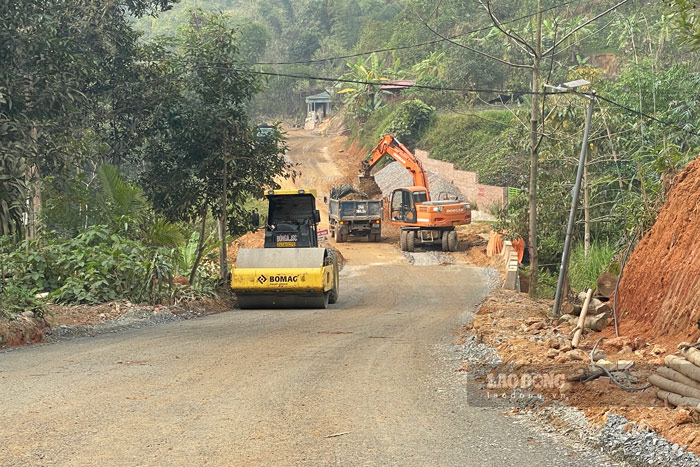
In the project to establish the Bat Xat Commune Construction Investment Project Management Board, the principle of "no interruption" is put first.
In Sa Pa ward, the arrangement work is also being urgently implemented. The locality has reviewed the entire list of projects in the area and proposed to assign the Sa Pa Ward Construction Investment Project Management Board to continue to be the investor.
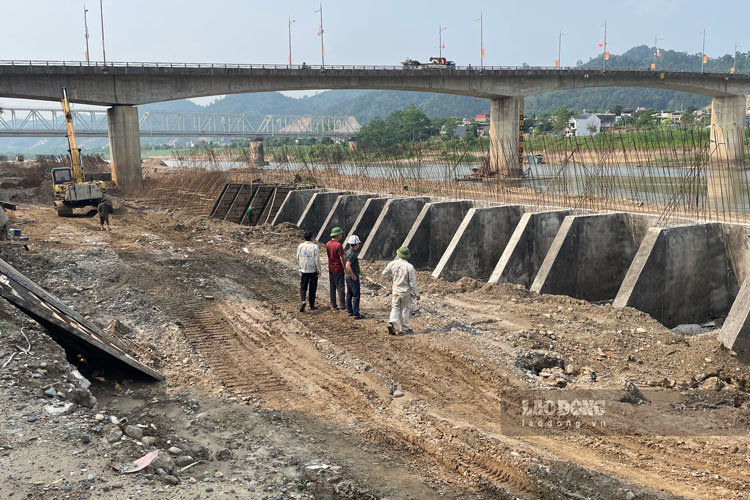
For projects belonging to communes in the old Sa Pa town, the locality has coordinated with communes, departments, and related sectors to agree on a plan to adjust the investor to local management.
Increase proactiveness for grassroots levels
According to the review, Lao Cai province currently has 2,129 projects under implementation with a total investment of more than 92,900 billion VND. In the old Lao Cai area alone, there are 1,297 projects subject to investor adjustment.
On that basis, the Department of Finance proposed a transfer plan for 1,876 projects. According to the new decentralization principle, inter-communal projects or projects with a total investment of over 20 billion VND will be transferred to the provincial-level specialized project management board for management; small-scale projects using local budgets will be assigned to commune and ward-level People's Committees as investors to promote the proactiveness of the grassroots level.
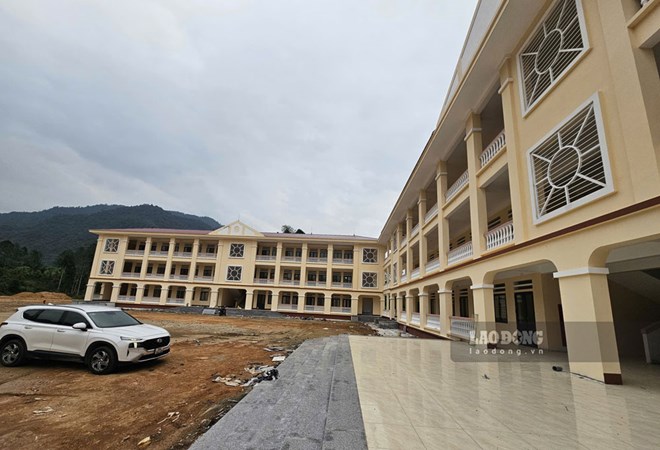
In the old Yen Bai area, the province also agreed on a plan to transfer 579 projects managed by regional project management boards.
For unfinished projects, the province encourages regional project management boards to continue to implement them until finalization if the project is basically completed with an implementation volume of over 80% or a disbursement rate of over 90%.
This approach is to avoid mass handover, which puts pressure on dossiers and prolongs access time for new units.
Talking to Lao Dong Newspaper, Chairman of Lao Cai Provincial People's Committee Nguyen Tuan Anh said that the Project to rearrange provincial-level Construction Investment Project Management Boards in the area not only aims to streamline the apparatus but also aims to improve the efficiency of public investment management, strengthen decentralization to grassroots levels and promote local initiative.
According to Mr. Nguyen Tuan Anh, the arrangement process must go hand in hand with improving the quality of operation, shortening procedures and creating conditions for communes and wards to proactively and promptly handle difficulties arising in project implementation.
The Chairman of Lao Cai Provincial People's Committee also requested localities to carefully review dossiers, fully update the list of projects, and proactively handle procedures related to the new Land Law to avoid arising congestion in the transitional period.
The biggest goal that the province sets out is to ensure that public investment projects continue to be implemented smoothly, without allowing the reorganization of the apparatus to slow down the progress of key projects in the area.


