
On April 6, Vice Chairman of Lao Cai Provincial People's Committee Vu Thi Hien Hanh just signed and issued document No. 2500 on strengthening inspection and ensuring food safety at collective kitchens and school kitchens in the area.
According to the direction, agencies and units continue to strictly implement legal regulations on food safety, focusing on the Law on Food Safety, and directives of the Central Government on food poisoning prevention.
State management is required to improve effectiveness, promote inspection and post-inspection according to decentralization for food production, business and supply establishments.
Notably, the province requires strict control of food quality throughout the supply chain, ensuring traceability; strengthening the connection of safe food supply for collective kitchens.
Violations will be strictly handled, suspended operations if conditions are not met, and made public in the mass media.
Heads of departments, branches, localities and units with collective kitchens must be fully responsible for ensuring food safety within their management scope.
The Department of Health is assigned to preside over and develop a plan to regularly inspect and supervise at school kitchens, industrial zones and clusters, and establishments providing ready-to-eat meals, focusing on high-risk areas.
At the same time, maintain the effectiveness of the hotline to receive people's feedback; prepare sufficient manpower, medicine, and equipment to promptly provide emergency care and treatment when food poisoning occurs.
The education sector and training institutions are required to review the entire process, legal documents, food supply contracts; ensure clear origin and complete documents.
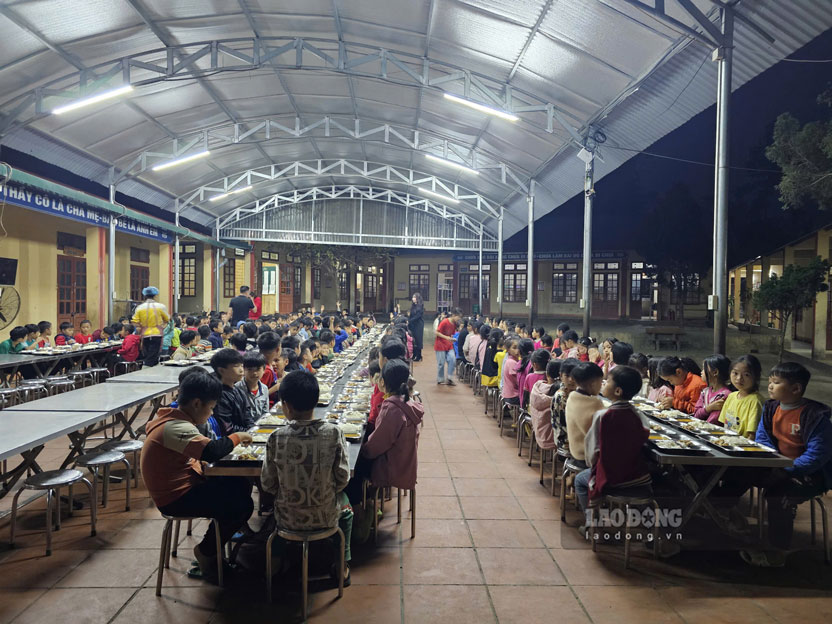
The one-way processing process, three-step inspection, and 24-hour food sample storage must be strictly implemented; and at the same time, the menu, source of supply and food suppliers must be publicized.
The Provincial Police strengthen the detection, investigation, and handling of violations of the law on food safety, especially at collective kitchens and establishments providing ready-to-eat meals.
Along with that, the Department of Culture, Sports and Tourism promotes propaganda and raises community awareness; local authorities strengthen inspection and supervision of food services and street food, promptly detect and handle violations, and prevent food that does not ensure safety early.
The Provincial People's Committee requests units to proactively report and coordinate to handle immediately when incidents occur, quickly identify the cause and implement remedial measures, minimizing the risk of affecting people's health.


