
Going to each house, grasping the needs of the people
Implementing the project to develop vocational education associated with job creation for workers in ethnic minority and mountainous areas, M'Drak commune has identified the survey of vocational training needs as a key step.
On that basis, the locality aims to open training classes close to production conditions and the practical desires of the people.
During the implementation process, the role of village chiefs and prestigious people in the community was clearly promoted.
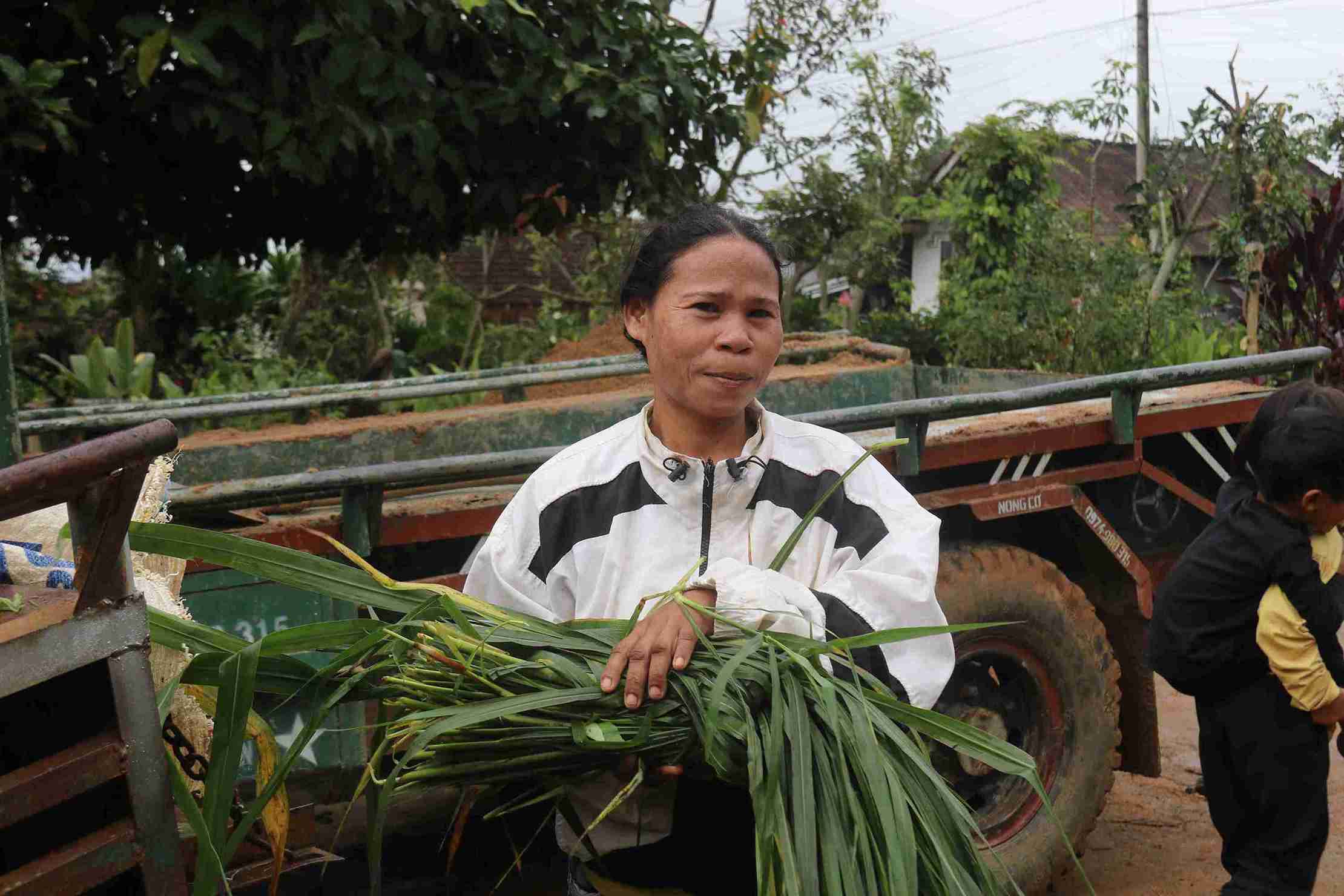
Mr. Y Zo Bya - Head of Cu Prao village, and also a prestigious person in the locality - is considered an "extended arm" of the Party and State in propaganda and dissemination of policies and laws to the people.
Not only stopping at general propaganda, Mr. Y Zo Bya also persistently visited each household to specifically understand the vocational training needs of the people.
According to him, listening to the thoughts and aspirations of each household is an important basis for local authorities to develop appropriate training plans, avoiding the situation of opening classes but failing to attract learners.
"To help people learn a trade, we must first understand what they need and lack. Only then will the new vocational class open up, which is practical and effective, Mr. Y Zo Bya shared.
At the end of December 2025, during a working trip with the commune's delegation to visit disadvantaged households, Mr. Y Zo Bya directly went to the house of Ms. H Jen Bya (born in 1991), a poor household in Cu Prao village.
Here, he encouraged her to work hard, boldly change production methods towards modernity to increase income.
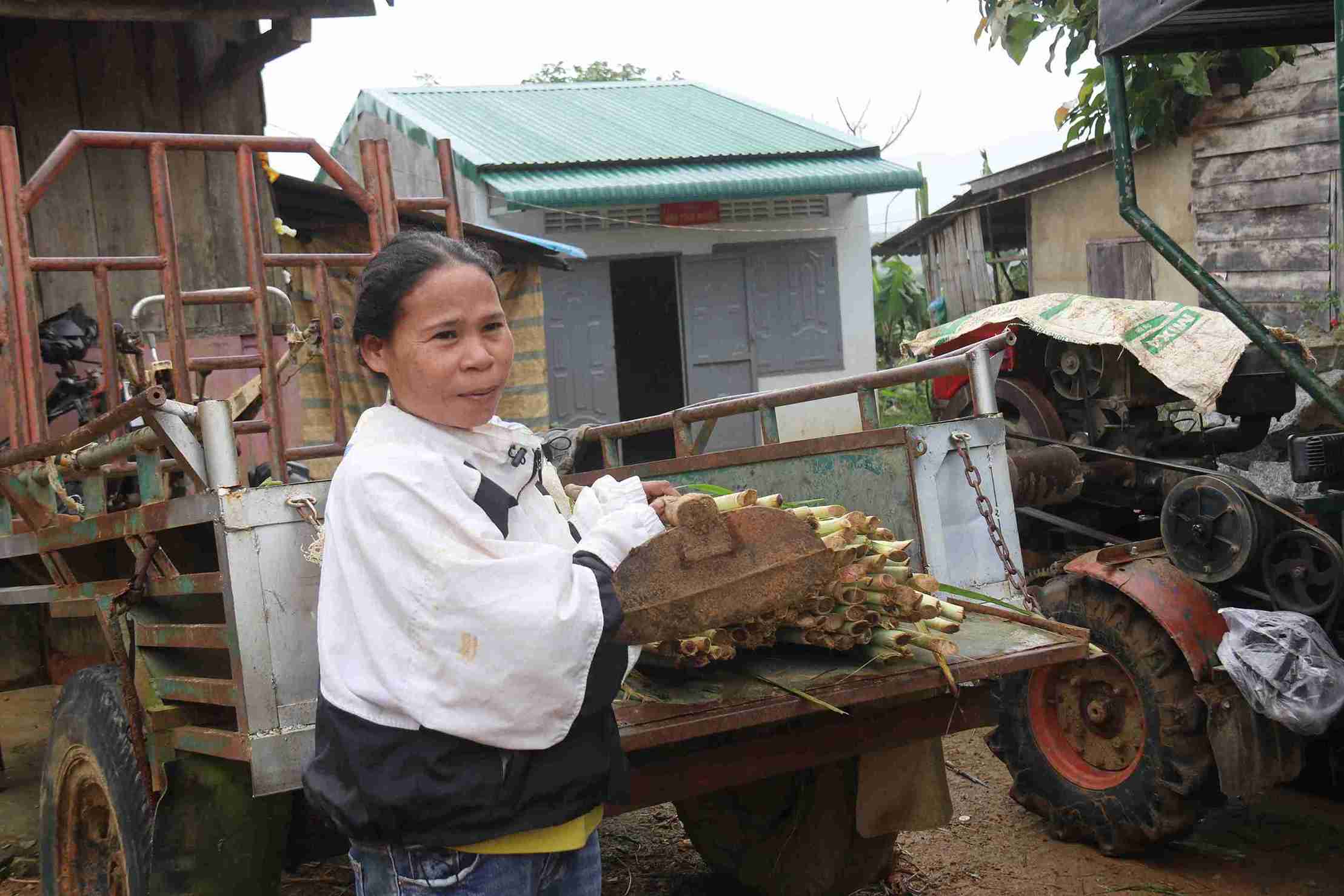
Ms. H Jen Bya said that as a poor household, raising her three children alone, she always tries to work and produce to stabilize her life. Her family currently has about 5 sao of sugarcane and raises 2 cows, but the efficiency is not high due to lack of knowledge and techniques.
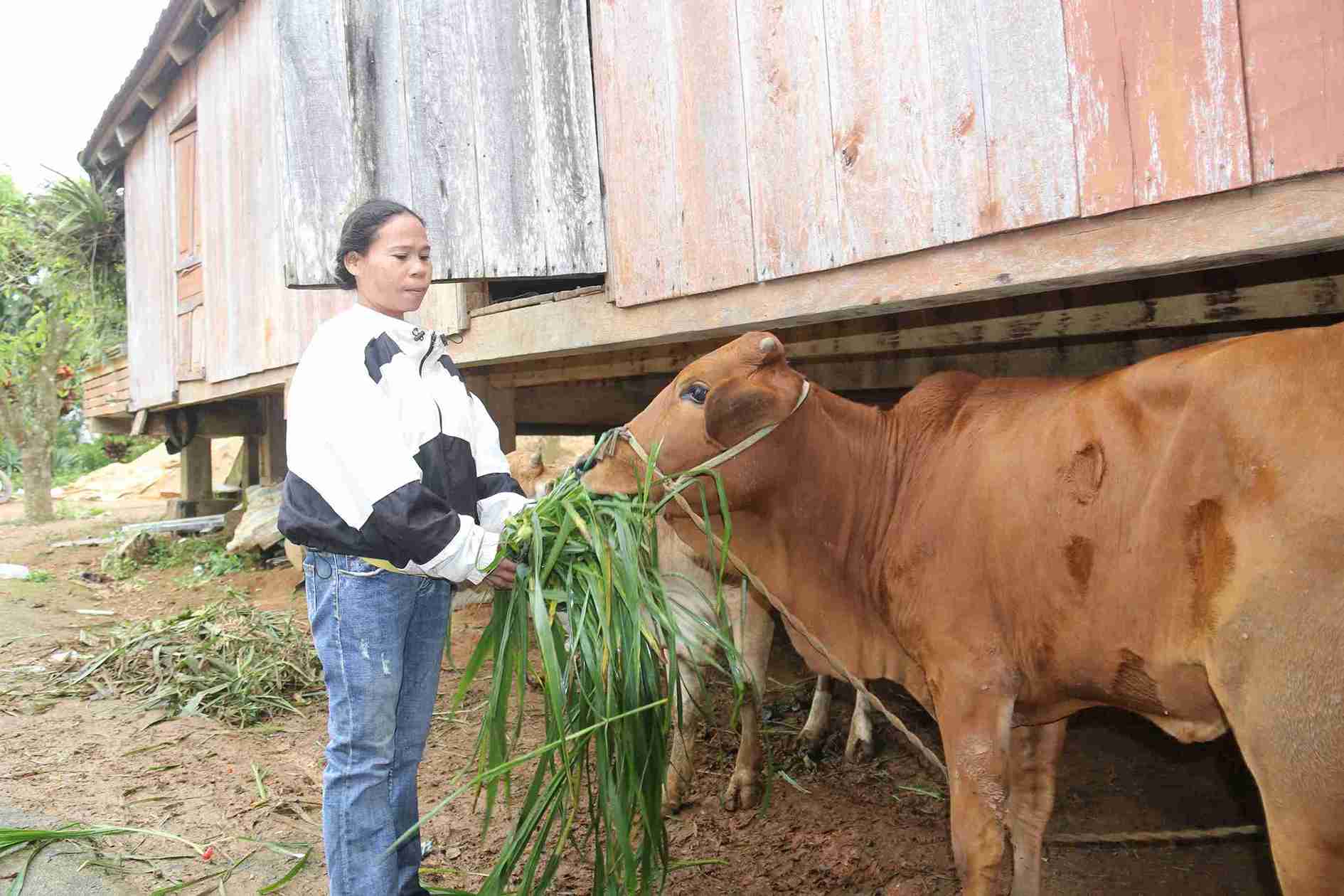
I understand that the State opens vocational training classes for rural workers every year. I am very interested and hope to soon participate in learning about animal husbandry to grasp the techniques and technology. Thereby improving the efficiency of the family's livestock farming", Ms. H Jen Bya expressed.
Similarly, Ms. H Ngach Nie (born in 1984, poor household) also said that she wanted to learn a breeding profession. Currently, her family is raising a cow but it is slow to grow, the economic efficiency is not as expected.
According to her, if she can participate in vocational training classes, she will have the opportunity to access effective livestock models, applied to the family's production practice.
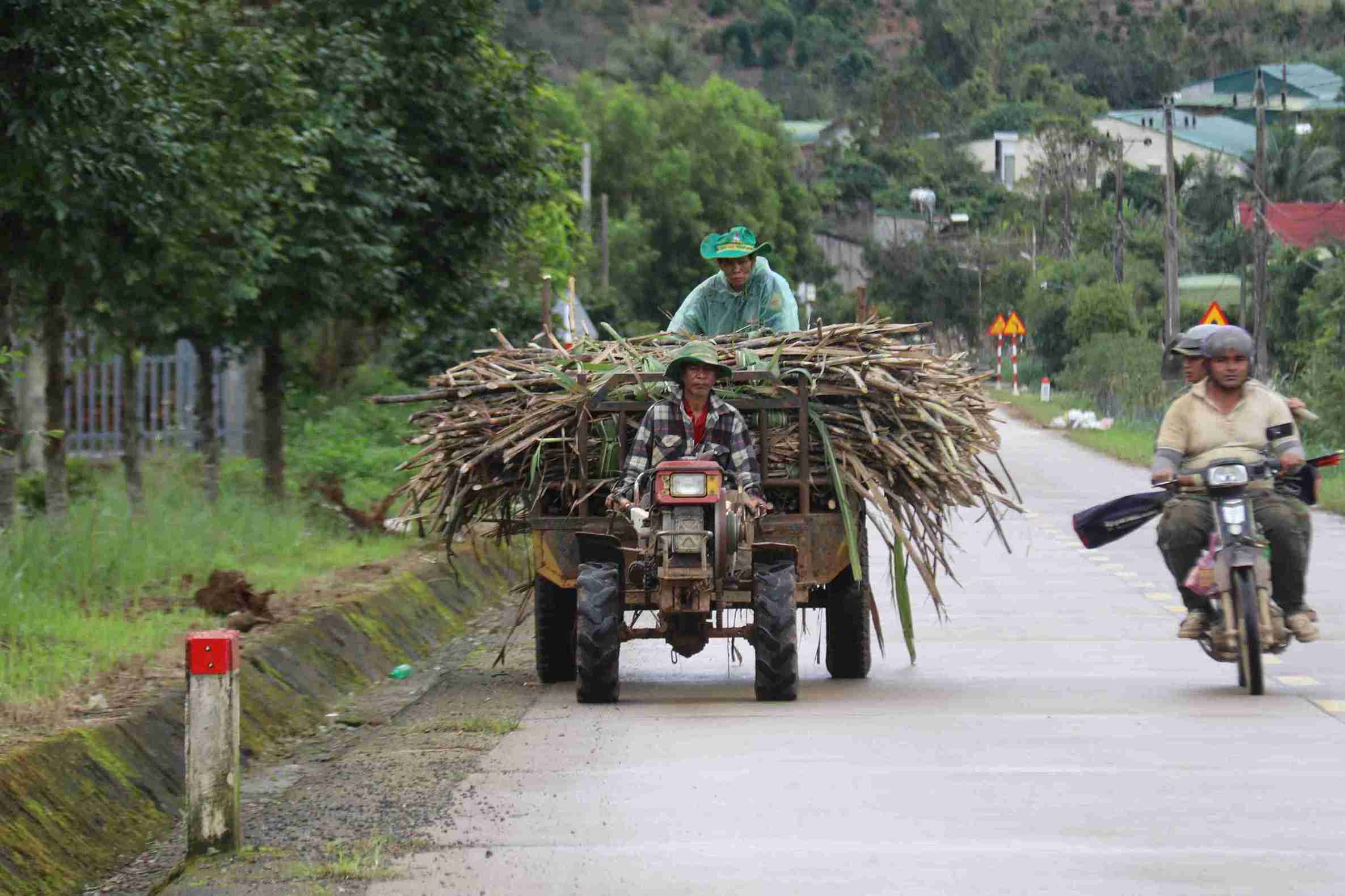
"Propaganda to the place - mobilize to the people"
After implementing the two-level local government model, M'Drak commune continues to promote coordination with village and hamlet heads in propaganda work, mobilizing people to participate in vocational training classes.
The commune government determined that only by properly implementing the motto " propagating to the place - mobilizing to the people" can people's awareness be gradually changed, bringing vocational classes into practice.
Realizing that the fear of vocational training is still common, especially due to pressure to make a living and work on the fields, the commune has implemented many diverse forms of propaganda.
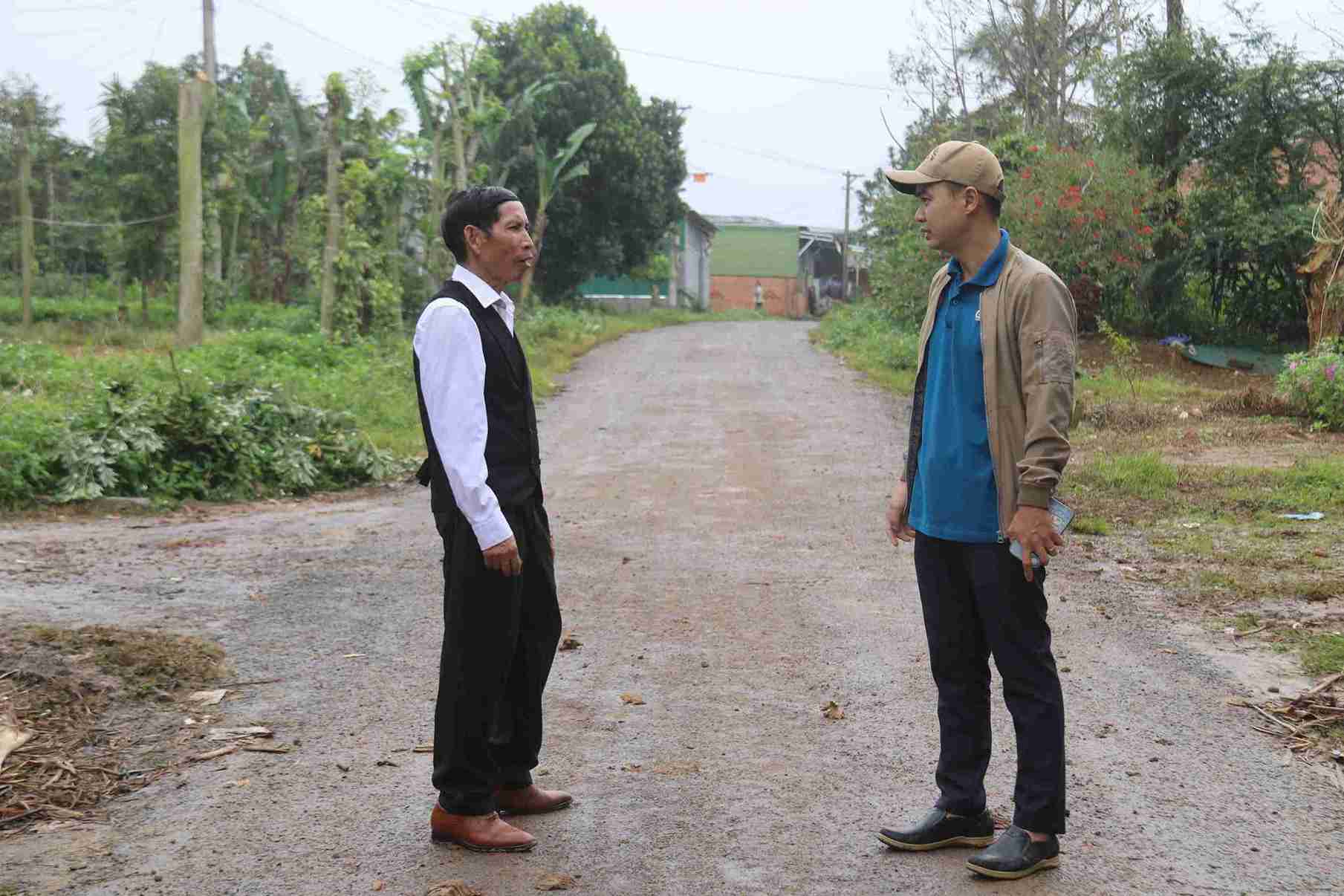
In addition to village meetings, information is also transmitted through the loudspeaker system; commune officials and village heads directly to each household to mobilize; at the same time, invite those who have participated in vocational training to share practical experiences.
In addition, the locality also developed a plan to link vocational training with job creation through linkages with enterprises and cooperatives. When people clearly see that after finishing school, they can have jobs immediately or create stable jobs for themselves, participation will become more proactive and active.
Mr. Nguyen Van Trung - Deputy Head of the Department of Culture - Social Affairs of M'Drak commune - said that from the survey results, the commune is proposing to implement a "flexible job class" model.
Accordingly, study time is divided into smaller clusters, organized by village cluster or increased on weekends to suit the living and working conditions of the people.
This model helps learners not to interrupt production work, while creating conditions for localities to open more classes, reducing pressure on training institutions and vocational education centers, said Mr. Trung.
In reality, surveying vocational training needs from the grassroots level is helping M'Drak commune gradually effectively implement vocational training policies for rural workers.
This is also a direction in line with the goals of the National Target Program for Socio-Economic Development in Ethnic Minority and Mountainous Areas, contributing to creating sustainable livelihoods and improving people's lives from the root.


