
Tourism development waste pressure increases
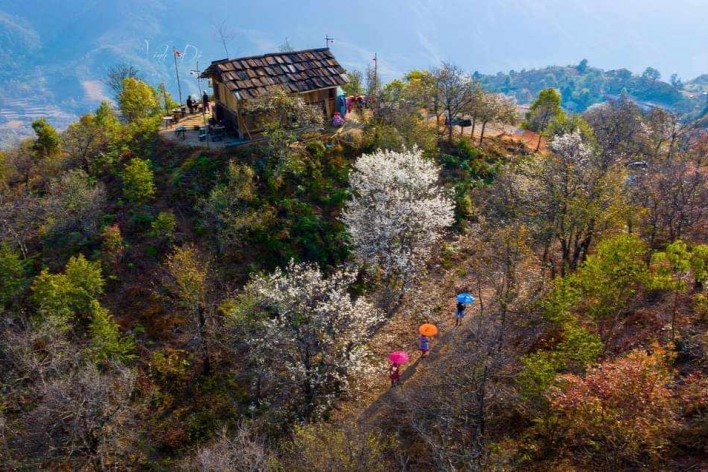
Ngoc Chien commune is located between the valley of white clouds and the pristine terraced fields, which have long been likened to the fairy-tale countryside of the Northwest.
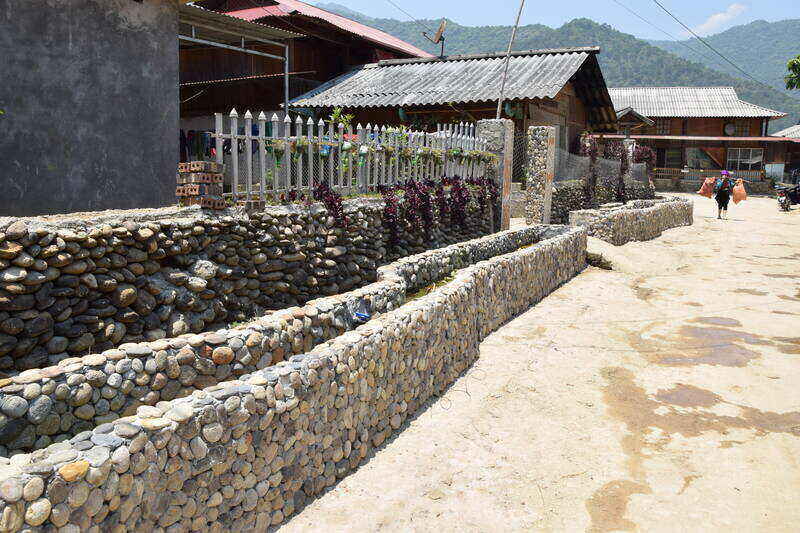
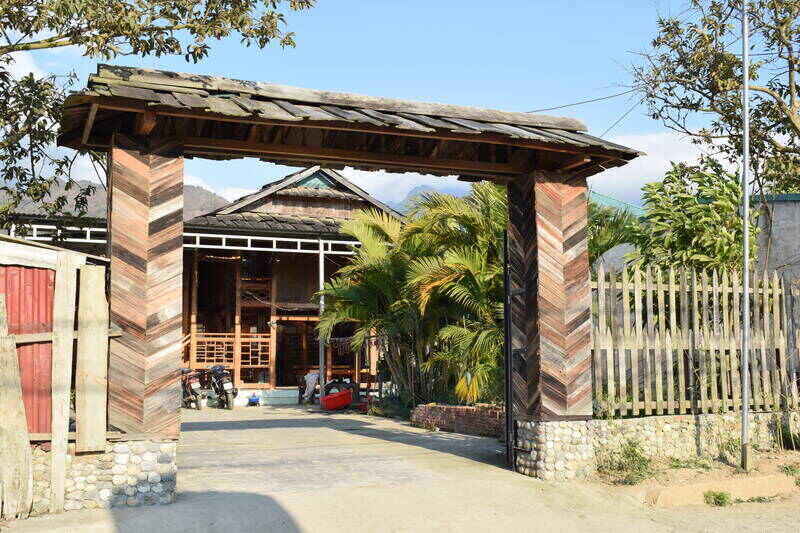
This is an attractive destination because of the harmony of fresh natural landscapes and the unique cultural identity of the Thai, H'Mong, and La Ha ethnic groups. The pam wooden houses, stone fences around the village, the sound of fabric weaving every afternoon, along with the hot mineral stream that issued all year round create a space that is both peaceful and unique.
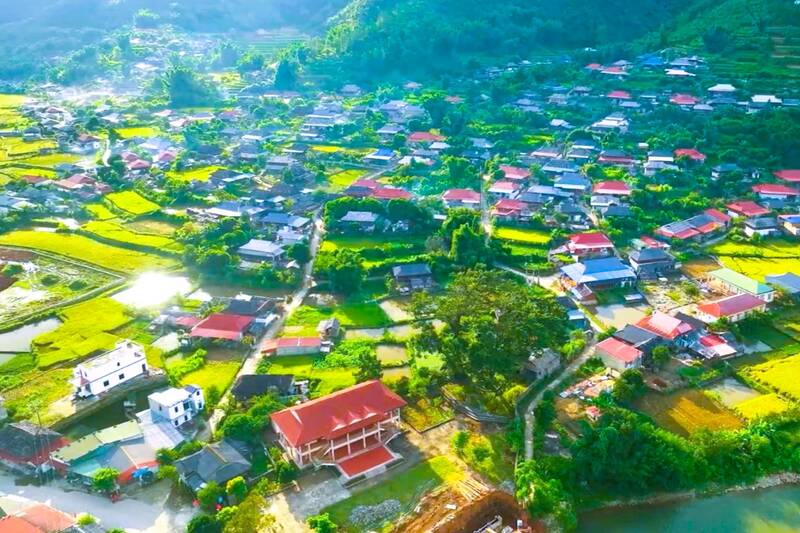
In recent years, community tourism in Ngoc Chien has developed, attracting a rapid increase in the number of tourists seasonally. The rapid development of tourism means that household waste and plastic waste are increasingly generated.
Faced with that challenge, the local government and community have chosen a sustainable direction: implementing a "3 no's" model - no plastic waste, no littering in streams, no littering, while encouraging the application of high technology in agriculture, creating a foundation for green tourism.
From a destination that is still quite unfamiliar on the Northwest tourism map, Ngoc Chien has now become a "green gem" chosen by many tourists thanks to its pristine scenery: spring with painted apples blooming all over the mountains and forests, autumn with golden terraced fields in the valley, winter with hot mineral springs evaporating as if in the forest.
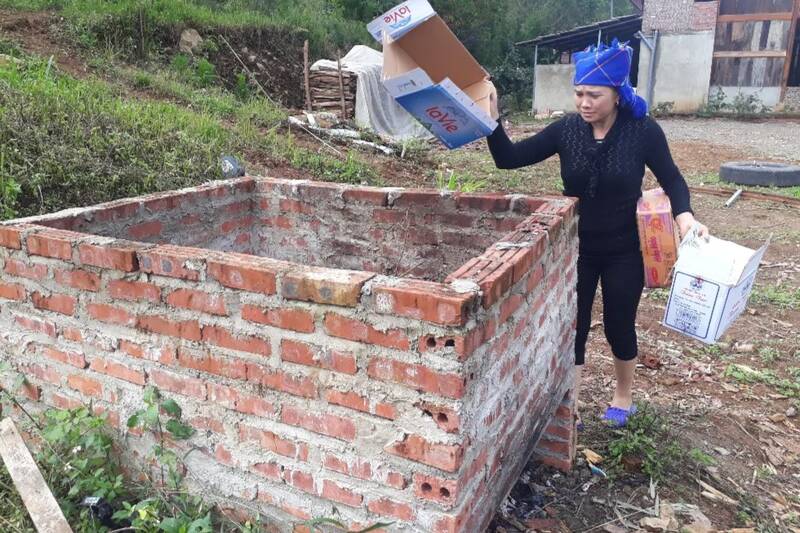
The sharp increase in tourists has led to many development services: homestays, accommodation facilities, OCOP products, village experience services... but the downside is the increasing pressure on waste.
Mr. Nguyen Minh Tuan, Secretary of the Ngoc Chien Commune Party Committee, said that during each peak season, the commune welcomes up to 15,000 - 20,000 visitors, causing the amount of waste to be generated many times more than usual.
"Customers have increased sharply, garbage has also increased. Many mineral springs, homestays, and parking lots have water bottles, plastic cups, and disposable plastic bags. If not controlled, the landscape will be seriously affected and directly impact sustainable tourism development, said Mr. Tuan.
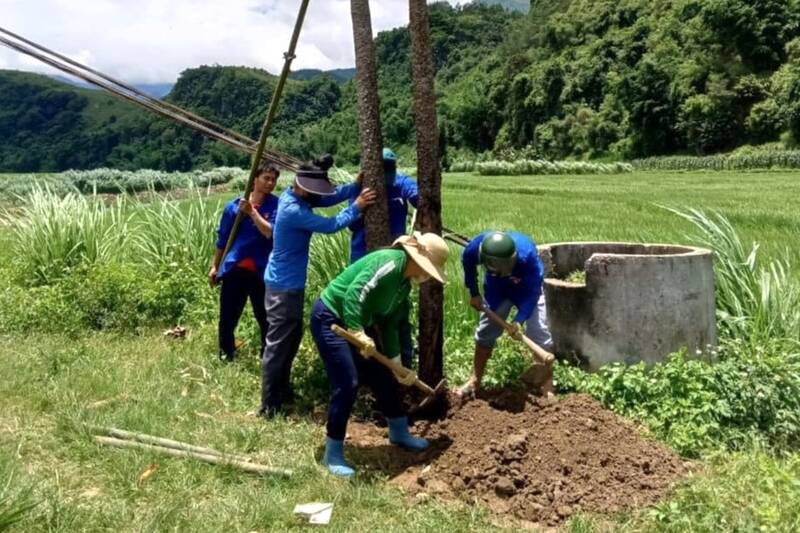
People consider tourism as a "gold mine", and plastic waste as a "slow- detonating bomb" that threatens the environment if not thoroughly treated. From that awareness, the government and people determine that tourism development must go hand in hand with environmental protection, considering this a vital factor for the local community tourism industry.
Mr. Luong Van Xien, Director of Ngoc Chien Community Tourism Cooperative, shared: The large number of tourists brings with them the need to eat, experience, and use convenient things. In the first phase, the rapid increase in garbage caused the road to the apple forest, mineral springs, and camping to be littered. We understand that if the environment deteriorates, tourists will turn their backs. Therefore, the cooperative and local youth have built a system to collect and promote visitors, encouraging the use of glass bottles and fabric bags. Gradually, everyone became familiar with it, and customers also supported it".
The "3 no's" model has since ceased to be a slogan and has gradually become a daily occurrence. Many families consider environmental conservation as their main source of income associated with their livelihood in tourism. Thanks to that consensus, Ngoc Chien is gradually building the image of a green - clean - sustainable destination in the Northwest.
The "3 no's" model spreads from the Nghiep version
In the villages of Ngoc Chien commune, Nam Nghiep village is considered a pioneer in implementing the "3 no" model. This is also the most popular village in the commune, famous for its picturesque apple flower season, vast terraced fields, cool green primeval forests and unique H'Mong culture. The homestay system here is invested synchronously and methodically, meeting the needs of tourists who love cultural - natural experiences.
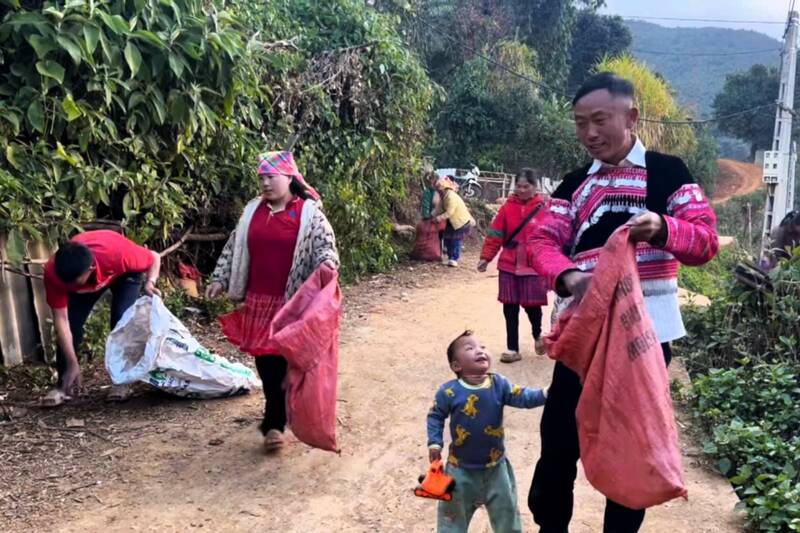
Mr. Khang A Say, Party Cell Secretary and Village Head, recalled that in his early days as a tourist, Nam Nghiep often faced the situation of bottles of water left on the banks of streams, plastic bags on the runway, and garbage accumulated behind trekking groups.
"We held a meeting and agreed that if we wanted to keep customers and the environment, we had to be determined. The incense-making agreement clearly stipulates: business households, households and tourists must not use disposable plastic items; do not throw garbage into the stream; do not burn garbage in the garden or forestry, said Mr. Say.
Thanks to that consensus, Nam Nghiep quickly became a model of the commune. Waste is classified at source; organic waste treated with biological products; recyclable waste collected weekly. homestays simultaneously have signs "No use of plastic items, plastic bags", clean streams, no more garbage on the village road, stone fences - wooden fences are kept intact but still airy and neat.
Mr. Khang A Nha, the owner of a homestay in Nam Nghiep, shared: Our accommodation facility has switched to using glass bottles, bamboo straws, fabric scarves instead of paper scarves, and bags made from natural fibers. Every month, I save nearly 1 million VND to buy disposable plastic items, while customers really like it because it feels like they are experiencing the green space of the village".
Nam Nghiep's way of doing things spread to the villages of Phai, Luot, Dong Xong, Giang Phong... creating a widespread community movement. Currently, the whole commune has more than 300 garbage classification bins, mini incinerators and a system of propaganda boards located along the main road, check-in points, and mineral springs.
On weekends, union members, youth, women, the elderly, and militia gather together to collect garbage along Chien stream, clear inter-village roads, and clean up the environment. Children are instructed to classify waste, exchange waste for gifts or stone lotus, books, comics... forming the habit of protecting the environment from a young age.
Applying high technology - towards sustainable ecology
Not only focusing on green - clean - beautiful landscapes, Ngoc Chien also aims to become a high-tech agricultural area serving eco-tourism. On the hillsides, people develop models of growing mountain apples, strawberries, pears, tomatoes, Brazil, tan, sticky rice... in an organic way.
The automatic drip irrigation and mist spraying system is widely applied, helping to save water and minimize the use of pesticides.
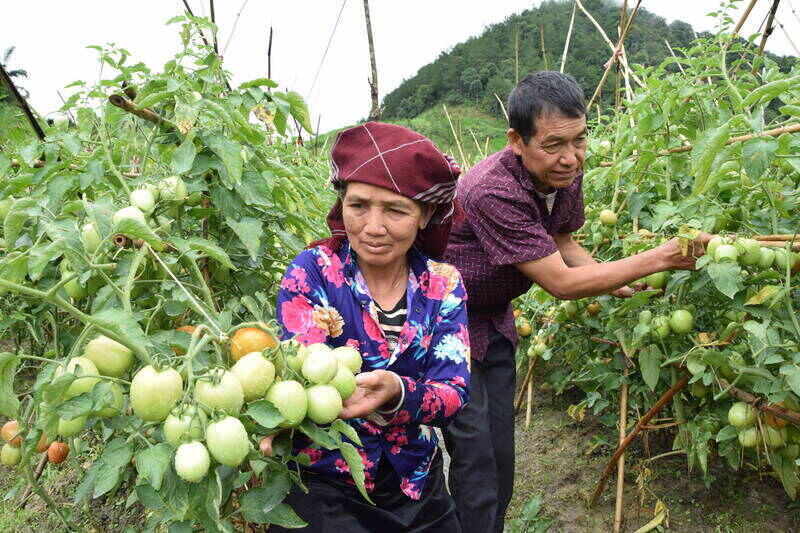
Mr. Lo Van Ngoc, a tomato and cucumber grower in Luot village, said: The automatic irrigation system helps save 30 40% of the water, and limits pests and diseases. Tourists like to take photos and pick fruit in clean gardens. Selling organic products is both affordable, sustainable, and environmentally friendly.
In Phai and Luot villages, the agricultural - tourism model is applied by many households: visitors can experience harvesting organic vegetables, observing the process of raising chickens on the hills, processing local dishes in a space that does not use plastic products at all. This is a community tourism trend that many localities are aiming for, but Ngoc Chien is one of the places that is implemented most successfully and methodically.
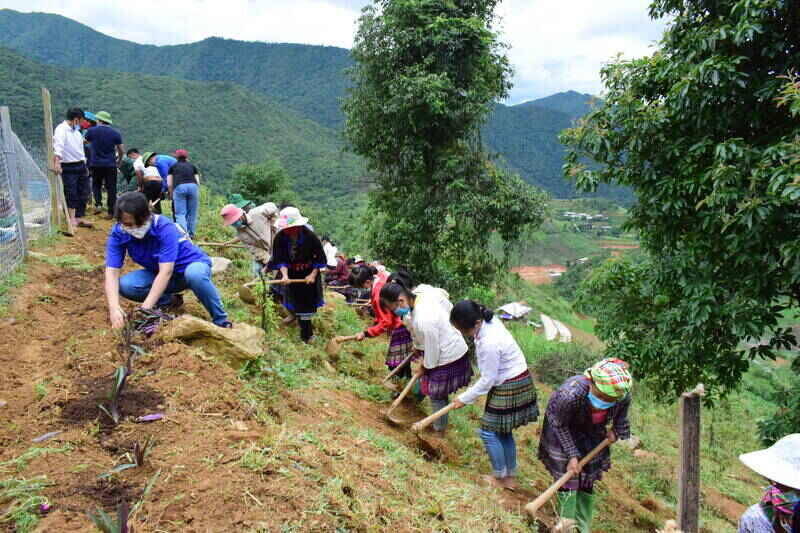
Mr. Duong Xuan Nam, Vice Chairman of Ngoc Chien Commune People's Committee, affirmed: "The commune's orientation is to develop tourism associated with environmental protection and clean agriculture. This is the key to maintaining original beauty, elevating the Ngoc Chien community tourism brand".
Green identity the foundation for sustainable community tourism
Thanks to the cooperation of the government and people, Ngoc Chien has now become a bright spot for green tourism in Son La. The image of Thai women wearing bamboo baskets picking up trash along the stream, young people patrolling places prone to garbage, children exchanging garbage for gifts, visitors being gently reminded when wearing disposable plastic items... became the civilized beauty of the locality.
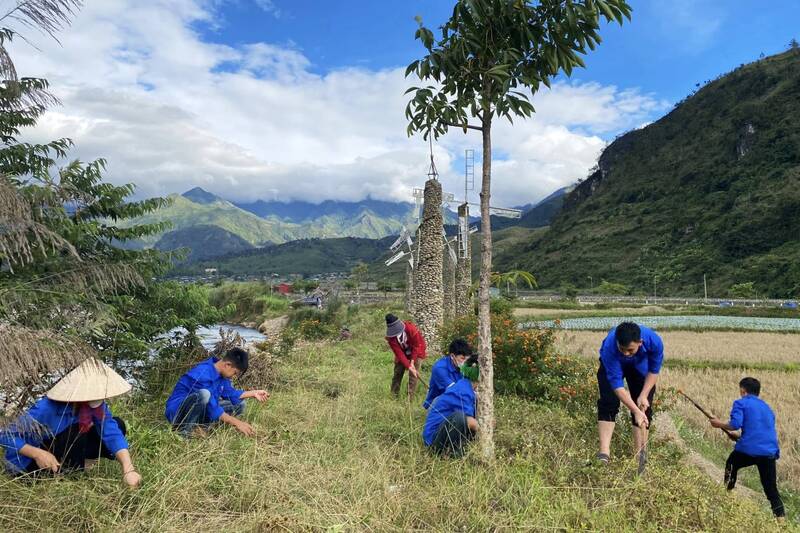
Mr. Nguyen Son Lam, Chairman of Ngoc Chien Commune People's Committee, commented that the community tourism model implemented by the cooperative has contributed significantly to creating livelihoods and jobs for people: "The cooperative does a good job of promoting products, connecting tours to experience, guiding tourists to preserve the environment.
Most importantly, it has contributed to changing people's thinking: tourism development must link economic growth with environmental protection, saying no to plastic waste".
Community tourism helps Ngoc Chien - the " fairy tale countryside" gradually escape poverty and change his skin and skin. People here not only do tourism, but also preserve the inner stream, the pristine apple-pented forest, and the hundred-year-old terraced fields. That is the way for Ngoc Chien to develop sustainably and long-term - in accordance with the spirit they are pursuing: to do green tourism from the smallest things.


