
Proactive production right from the beginning of the year
On the morning of the 3rd day of Tet, on many rice fields in Hong Dan district, farmers went to the fields to check water levels, monitor rice plant growth and prepare necessary conditions for the new crop season. According to people, it is forecast that there will be fewer rains in the coming time, proactively managing water sources through the existing irrigation system plays a key role, helping rice production to be stable right from the beginning of the crop.
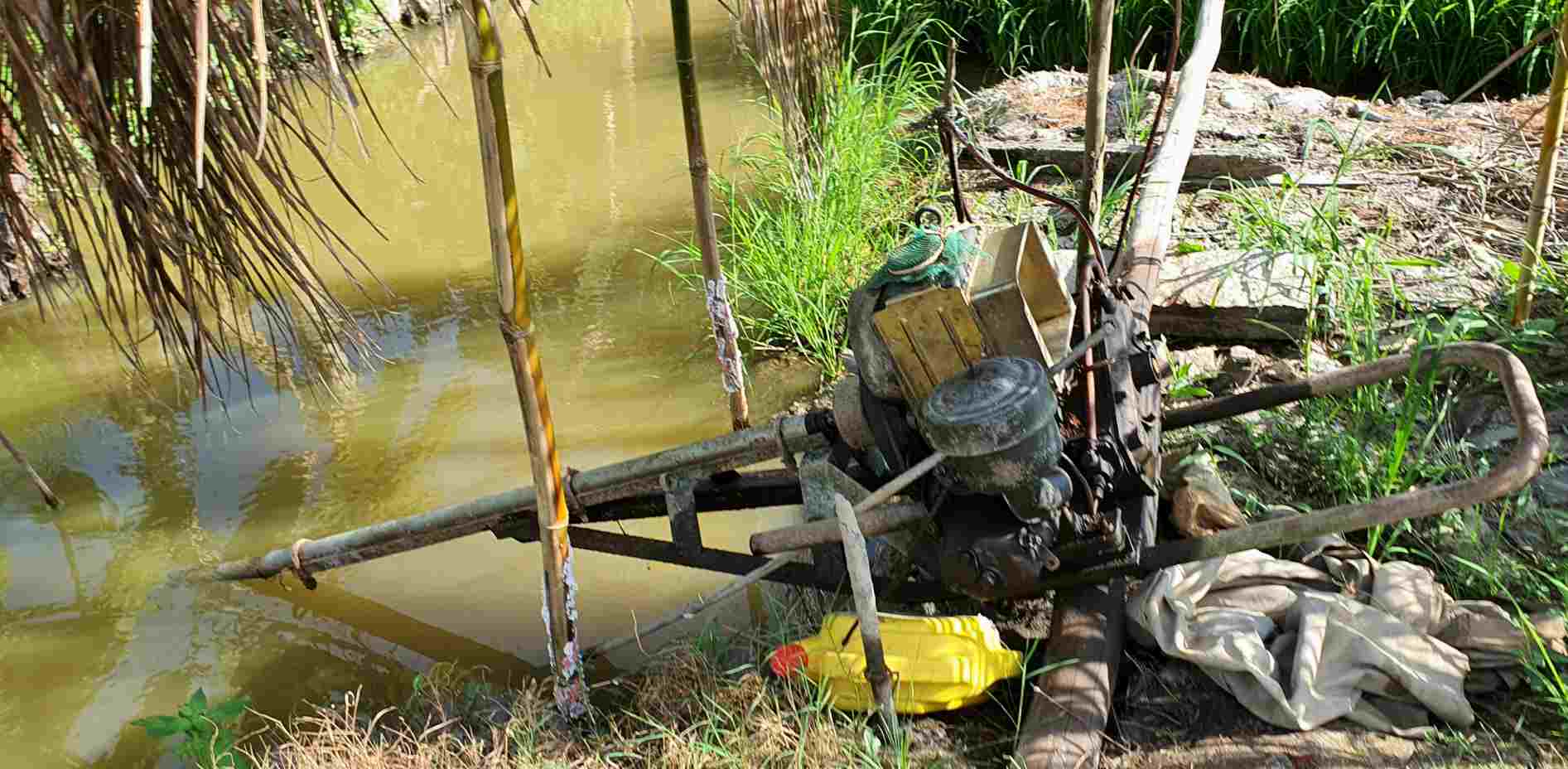
Mr. Tran Van Hau (Hong Dan commune) said that for rice farmers, water is still a decisive factor in yield and quality. "Happy Tet is like that, but people still have to take advantage of going to the fields to take care of rice. This year, rice prices are stable at a high level, I hope that when harvested, I will sell at a good price," Mr. Hau shared.
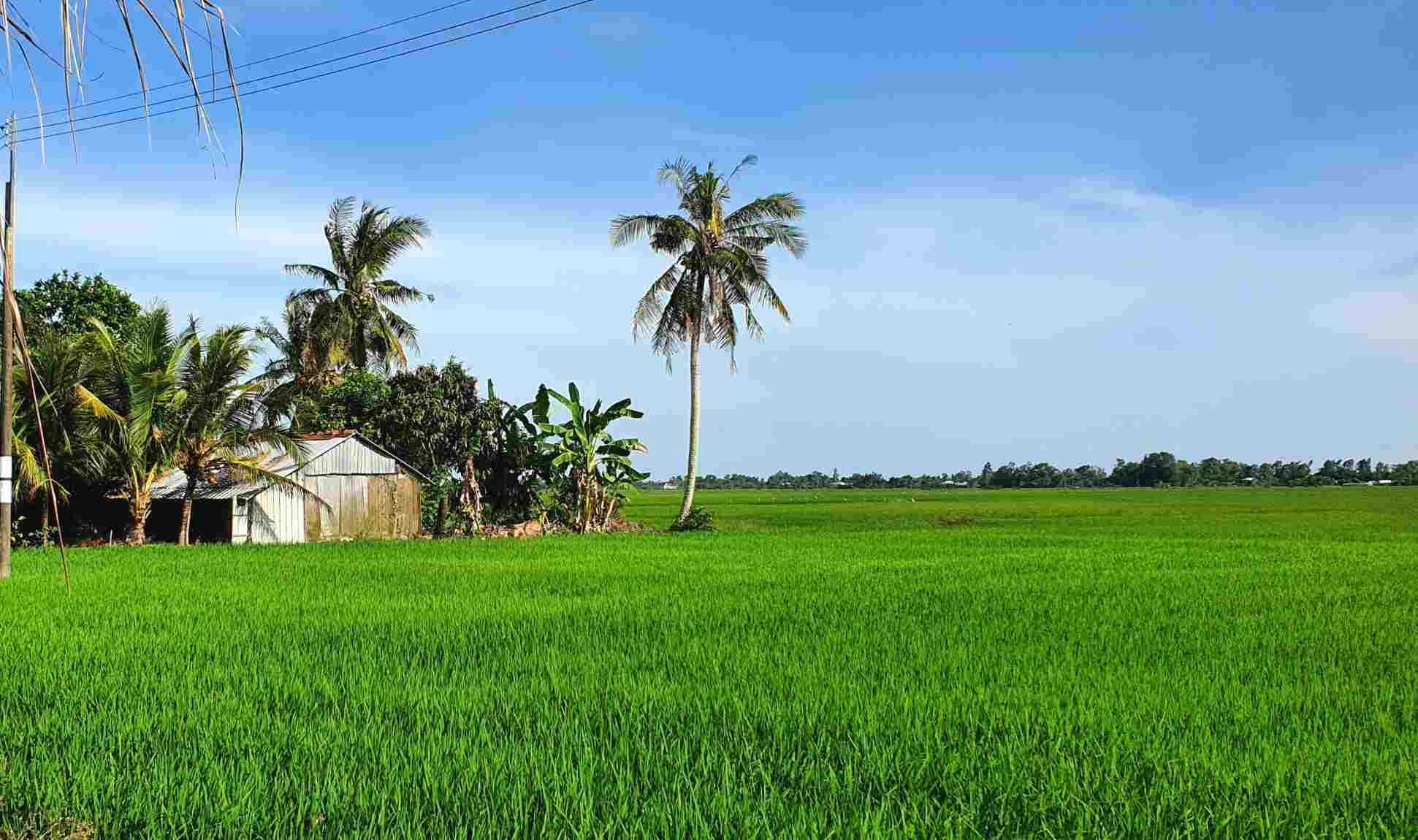
According to the agricultural sector of Ca Mau province, by the end of 2025, the total rice production area of the province will reach 314,982 hectares. Notably, the rice variety structure continues to shift strongly to the high-quality rice group, accounting for about 79.5% of the area. Many high-value rice varieties, suitable for soil conditions in each region, are put into production, contributing to improving farming efficiency.
Along with variety conversion, Ca Mau is forming concentrated rice material areas, gradually achieving certifications to serve exports. Safe rice production - consumption linkage models, organic rice are expanded, helping farmers reduce input costs, stabilize output and improve the value of rice grains. This is considered an important direction to shift from the goal of increasing output to increasing quality, in line with the requirements of the domestic and export markets.
Shrimp and crabs are showing signs of prosperity, salt is in season in favorable conditions
The joyful atmosphere is also spreading in coastal shrimp and crab farming areas as in the days leading up to Tet, the prices of many types of seafood increase at a high level. This creates more motivation for farmers to actively enter a new production season right from the early days of the year.
Mr. Long Quang Nghia (Vinh Hau commune) said that this year's shrimp prices are quite good, farmers are profitable. "After worshiping on the 3rd day of Tet, my family immediately starts preparing ponds for the new crop. I hope the weather is favorable for production to be effective," Mr. Nghia said.
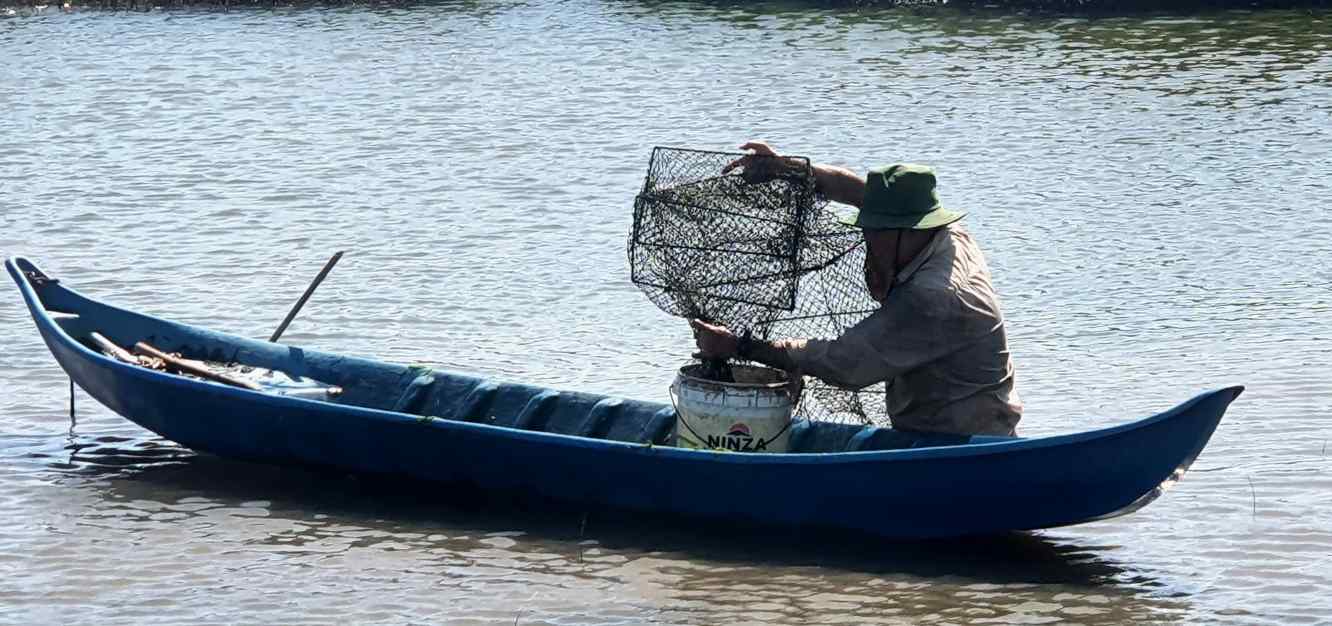
According to statistics, the total shrimp farming area of Ca Mau currently reaches nearly 418,000 hectares, accounting for more than 55% of the country's shrimp farming area. Output reaches over 565,000 tons, equivalent to nearly 45% of the national output. Shrimp export turnover reached more than 2.27 billion USD, contributing more than half of Vietnam's shrimp export value.
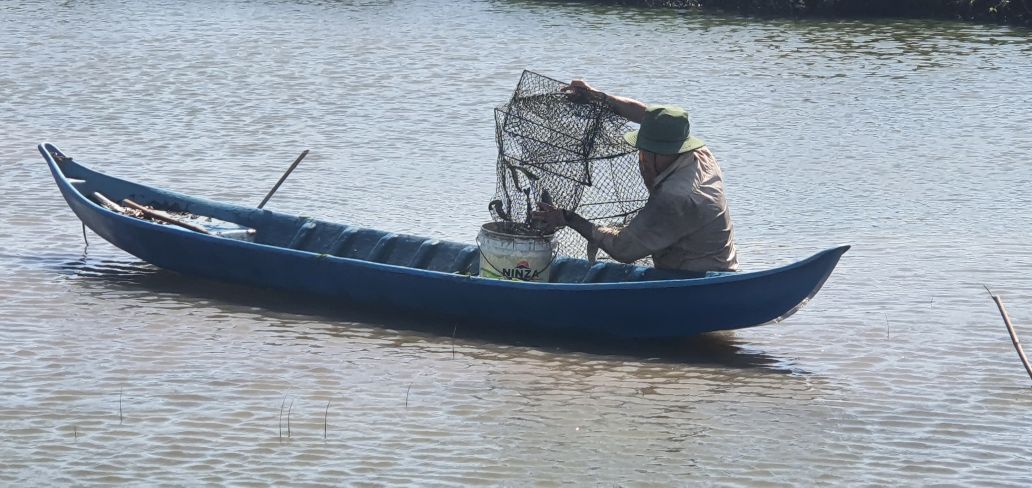
Deputy Director of the Department of Agriculture and Environment of Ca Mau province Pham Van Muoi said that shrimp farming in the locality is strongly shifting from extensive to intensive development. To date, the shrimp farming area certified internationally such as Naturland, EU Organic, ASC, Selva Shrimp... has exceeded 37,800 ha. Many modern technologies such as water circulation systems, Biofloc, sensor equipment, automatic feeding and digital management are being applied, contributing to improving productivity, quality and reducing environmental impact.
Along with shrimp, Ca Mau sea crab continues to affirm its value and brand in the market. With more than 365,000 hectares of farming and an output of over 36,000 tons per year, sea crabs bring livelihoods to more than 45,000 households. The crab industry is being oriented to develop according to modern processes, with quality certification and traceability, aiming to form concentrated and high-value farming areas.
For the salt industry, the hot weather in the early days of the year is assessed by salt farmers as a favorable sign for the new salt crop. The whole province currently has about 1,588 hectares of salt production. In which, the production area using the tarpaulin method reached more than 237 hectares, helping to improve product quality, reduce dependence on weather and increase economic efficiency.
From rice fields, shrimp and crab ponds to salt fields, the atmosphere of labor has returned to the southernmost region. The 3rd day of Tet, for many Ca Mau farmers, is not only the last day of the 3 days of Tet but also the time to start a new crop season. They expect stable income, sustainable production, and a bumper year with good prices.


