People may be refused garbage collection
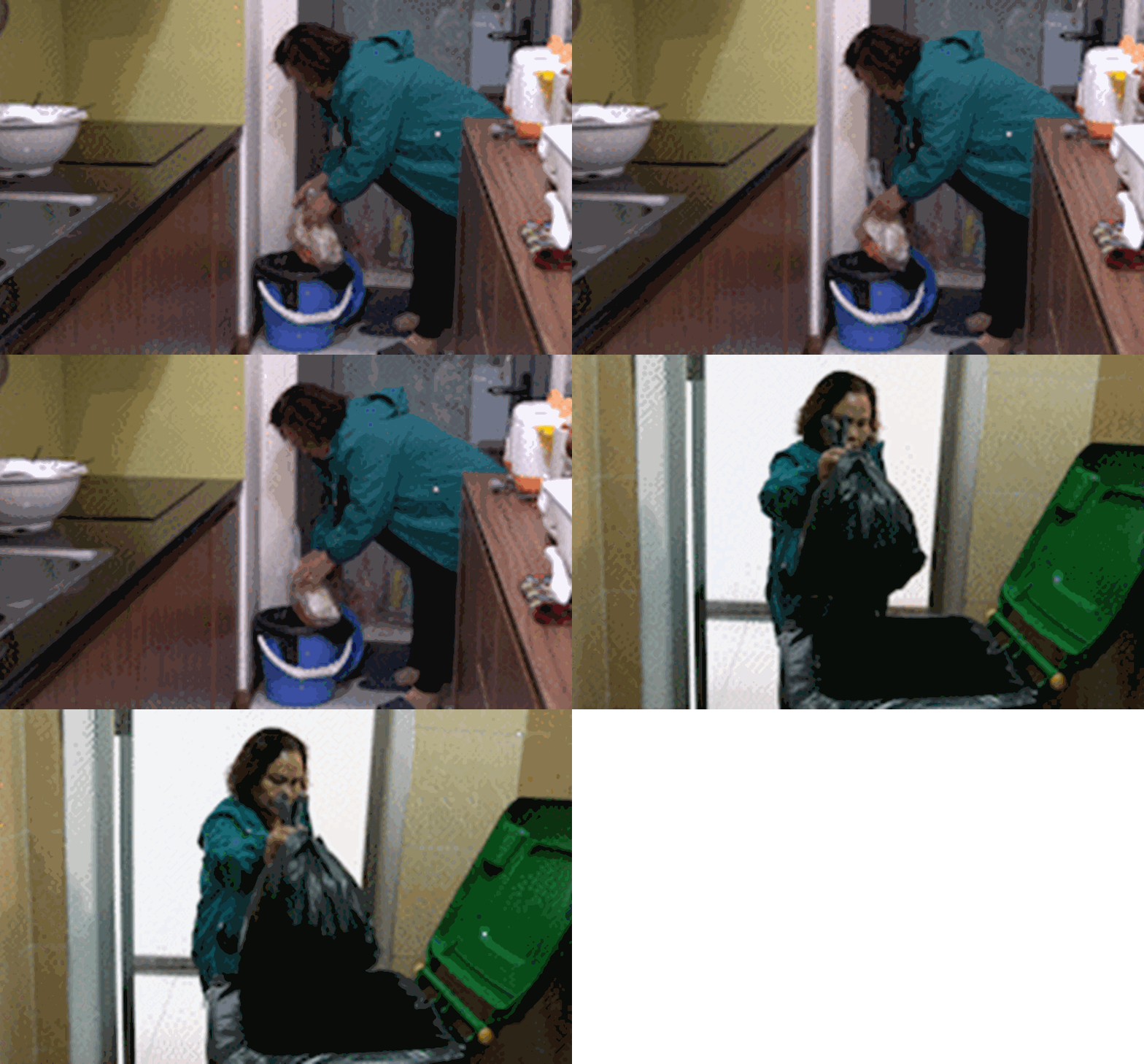
Records show that many people are still confused, even not understanding clearly how to sort, while the collection and treatment in practice has not changed much. Ms. Nguyen Thi Hoa (Viet Hung ward) said that she has repeatedly performed garbage sorting, but when garbage collection staff arrive, everything is dumped together in the truck bed.
My family also tried to sort glass bottles and wooden furniture into separate bags, and leftover food into separate bags, but when environmental vehicles came to collect, all kinds of garbage were dumped together, so I gradually lost the motivation to do it" - Ms. Hoa said.
When asked about the regulations that Hanoi applies on waste sorting at source, Ms. Hoa said that she has not grasped this information.
Similarly, Mr. Ngo Minh (Tay Mo ward) said that currently in the apartment building, separate trash cans have not been arranged for each type of garbage, but only throw all together into one garbage dump. In addition, garbage sorting requires leaving each bag and trash separately, if there is no space and time, it is very difficult to maintain for a long time. "We have not been specifically instructed on how to sort garbage, so we are also reluctant to do it" - Mr. Minh said.
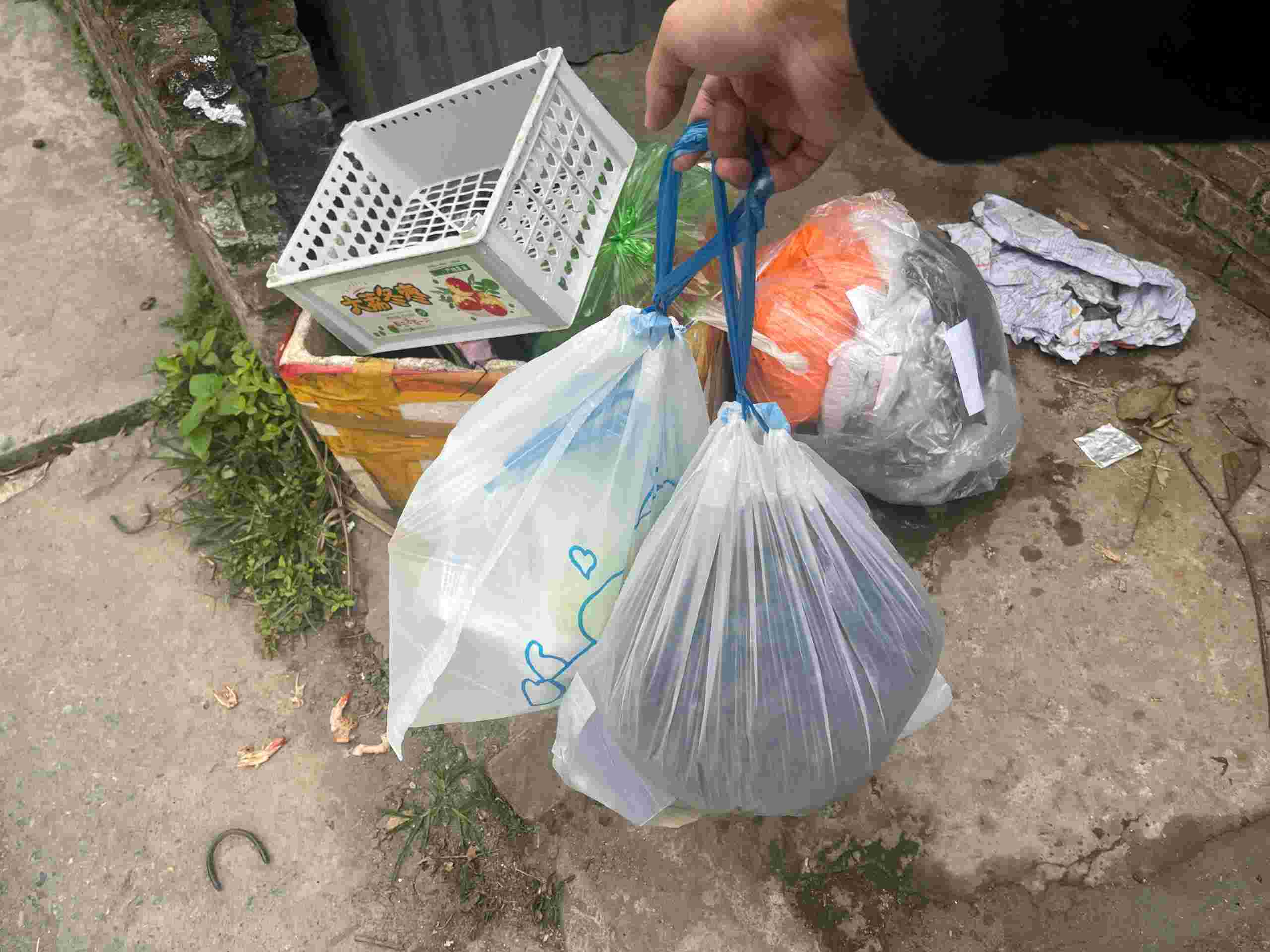
According to Decision No. 87, Hanoi stipulates the classification of domestic waste into three groups: Reusable, recycled; food waste and other solid waste. Packaging containing food waste must be green in color, easy to recognize and not leak, encouraging easily degradable materials. Packaging containing other waste must be gray in color, also easy to recognize and encouraging the use of degradable materials. Dangerous waste must be stored in waterproof and corrosion-proof packaging. Households must equip themselves with packaging and sort waste, otherwise, the collection unit has the right to refuse collection and notify competent authorities for handling.
It is necessary to let people see that "sorting waste is beneficial
Talking to Lao Dong Newspaper, Prof. Dr. Hoang Xuan Co - Head of the Science Department, Vietnam Environmental Economic Association - said that the biggest "knot" currently is that people have not been able to answer the question "what is the use of waste sorting, what are the benefits of waste sorting?
The expert analyzed that in reality, valuable waste types such as scrap paper, metal, plastic... have long been collected and sorted. Thus, when people clearly see the value of waste sorting, the implementation will become more self-conscious and effective.
In addition, for people to participate in waste sorting, the process must be simple and suitable for diverse living conditions, from land-based houses to apartments and collective housing areas.
According to Dr. Hoang Duong Tung - Chairman of the Vietnam Clean Air Network, former Deputy Director General of the General Department of Environment, to succeed in waste sorting, there must be a roadmap, specific steps and ways to do it correctly and appropriately.
Policies must break down bottlenecks, especially economic motivation, people's motivation, and the motivation of collection units" - Dr. Hoang Duong Tung said.
According to Dr. Hoang Duong Tung, Hanoi can create real motivation for people by connecting waste sorting with economic benefits and community titles, instead of just calling for voluntariness. In terms of economy, it is possible to reduce collection fees for households to sort correctly, or apply the mechanism of "paying according to the amount of non-recycled waste" like many countries. It is possible to implement a green point accumulation program, allowing people to bring recycled waste to the exchange point to receive gifts, shopping vouchers or reduce electricity and water prices.
Regarding the community, residential areas and residential groups that do well can be recognized as "Green Residential Areas", "Good Classified Residential Groups", and prioritized in emulation programs, infrastructure support or environmental funds.
In terms of communication, classification results should be publicized, honoring typical collectives and individuals, helping people clearly see "doing right is beneficial, recognized". Thus, economic benefits and community titles will be two practical "tales" to turn waste classification from obligatory to natural action and with clear rewards.