
Metres of land given to open the way for the future
Looking from above, the Quy Mong - Kien Thanh road, 13 km long, connecting the highland villages of Quy Mong commune, appears like a silk strip across the mountains and forests.
Few people know that, to have a wide and convenient road like today, more than 300 households have voluntarily dismantled their house gates, cut down trees, relocated works and donated over 300,000 m2 of land.
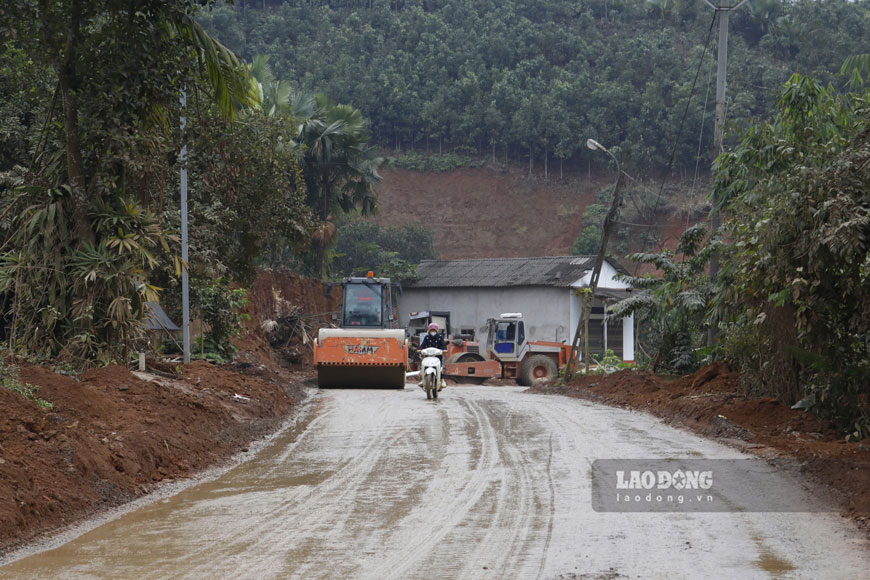
Everything takes place in a consensus atmosphere, without demanding compensation, because people understand that the long-term benefits that the road brings are much greater than the donated land.
Ms. Hoang Thi Mai, Kien Lao village, still remembers vividly the day her family decided to donate more than 2,000m2 of land, including both residential land and production land.
At first, it was a pity, but thinking that if there was a road, I would benefit first. Traveling is convenient, trading is easier, and children and grandchildren will suffer less later," Ms. Mai shared.
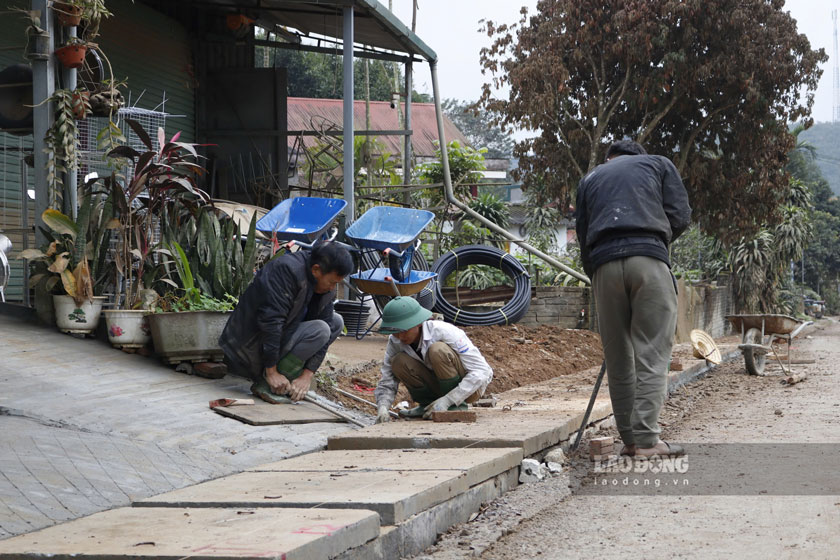
Not only Ms. Mai's family, hundreds of other households also share the same thought. According to Mr. Ha Xuan Tao - Secretary of Kien Lao Village Party Cell, that consensus is nurtured by democratic and transparent practices.
“We have held people's meetings many times, publicly disclosing all information, clearly analyzing long-term benefits. When they understand, people voluntarily donate land, without comparison,” Mr. Tao said.
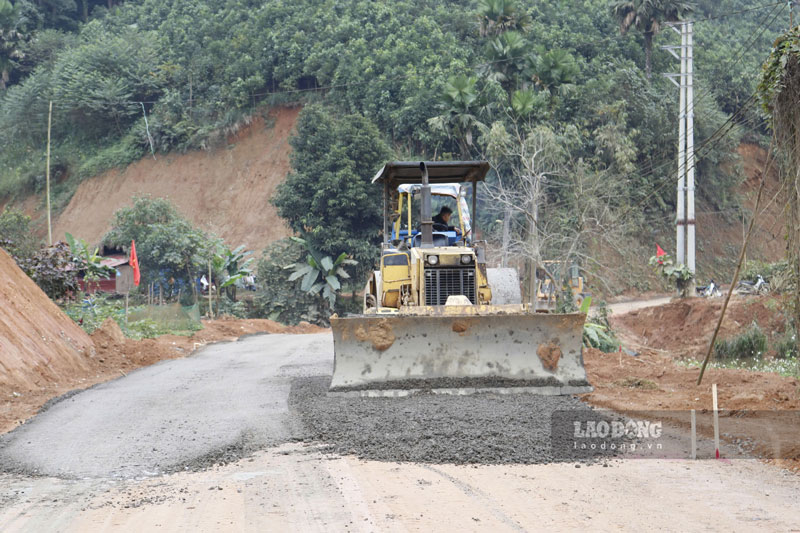
From Quy Mong, the movement to donate land to build roads spread strongly. In Son Luong commune, in just 5 years, people have donated more than 34.5 hectares of land, contributed about 15,000 working days, and socialized resources of more than 11 billion VND to concretize nearly 47km of rural traffic roads.
Mr. Ban Thua Hung, Nam Bieu village, donated more than 500m2 of land and more than 100 cinnamon trees - the main source of income for his family.
If there is a large road, cars will come to the place, cinnamon is sold at a higher price. I donate land today, and my children will benefit in the future," Mr. Hung said.
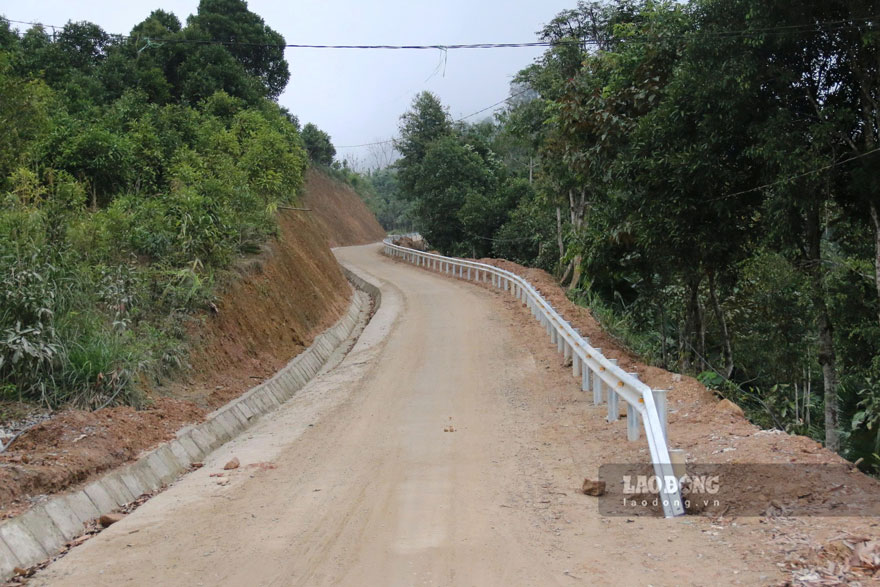
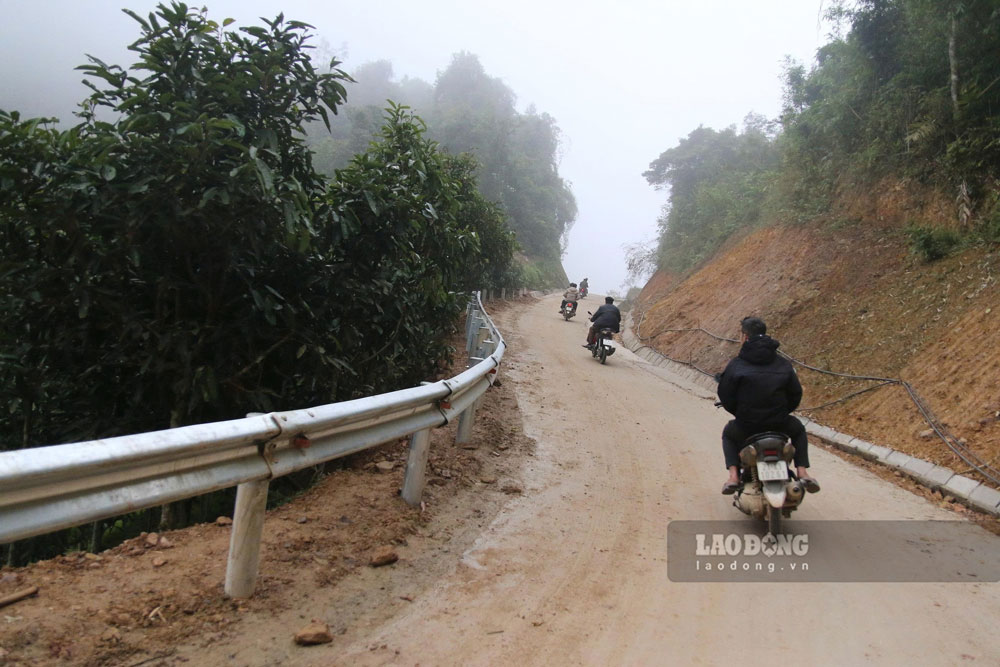
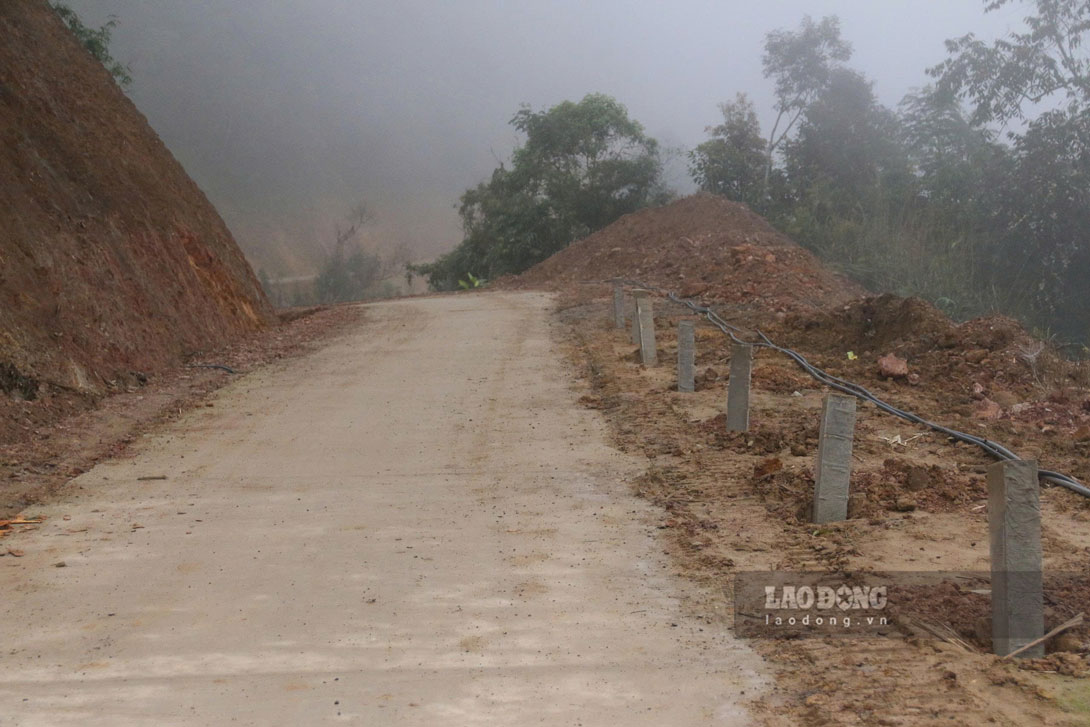
The new roads opened not only shorten travel distances, but also change the way people do business. From carrying goods for hours, now motorbikes and cars can enter the village, making trade convenient.
When the road opens, opportunities also come
In Bun 4 village, Bao Ha commune, the story of road construction started again from safety concerns. Previously, 77 households here had to go through 13 spontaneous openings across the railway - "black spots" that potentially cause accidents, especially at night or in the rainy and flood season.
When the State had a policy to build a 1.7km long inter-village road, 26 households living in the railway corridor agreed to donate land to open 3 common walkways, completely eliminating spontaneous walkways.
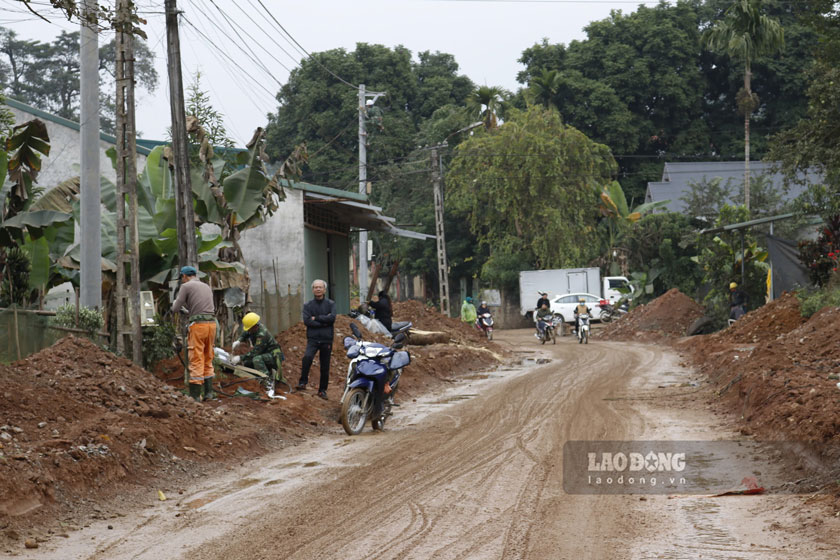
The new road not only ensures safety, but also opens up a clear direction for economic development. When motorized vehicles reach the village, transportation costs are reduced, and agricultural products are no longer price-squeezed.
Children go to school more conveniently, services begin to appear, and life gradually improves.
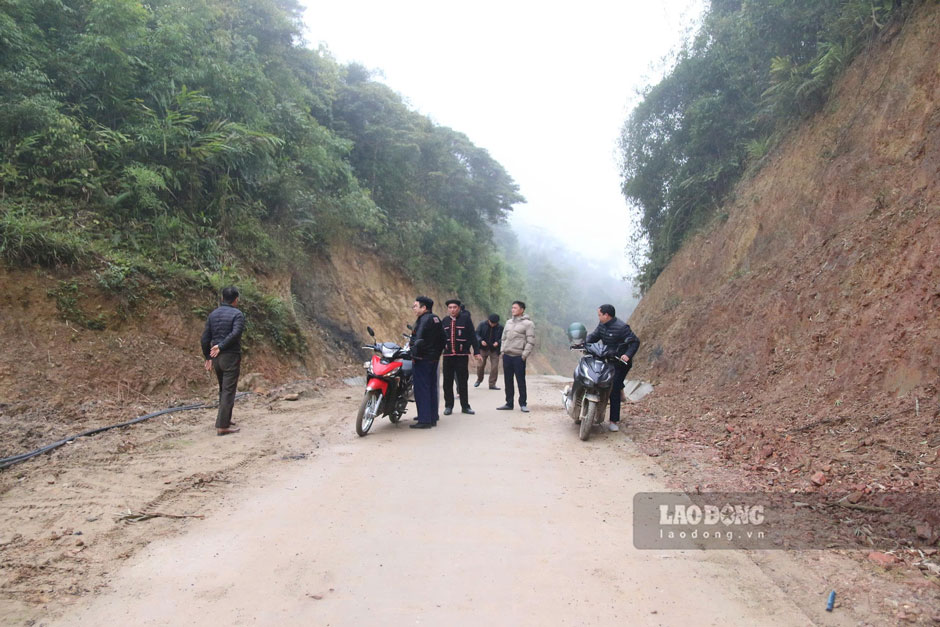
In Sin Cheng commune, Mr. Giang A Vau donated more than 2,300m2 of land, agreeing to cut down trees worth hundreds of millions of VND.
If everyone keeps their share, the road cannot be built. I sacrifice a little to make it more convenient for the whole village to travel," Mr. Vau confided.
Or in Nam Det commune - the cinnamon "capital" of the region, the movement to donate land to build roads is even more vibrant. To expand the Nam Cai - Nam Xuan route, 8.6km long, more than 30 households have donated nearly 35,000m2 of land and tens of thousands of cinnamon trees.
Donating land is a short-term loss, but the long-term benefit is very large. The road is wide, traders come to the place, cinnamon is sold at a higher price," Mr. Dang Van Tong - who donated more than 500m2 of land and more than 2,000 cinnamon trees confided.
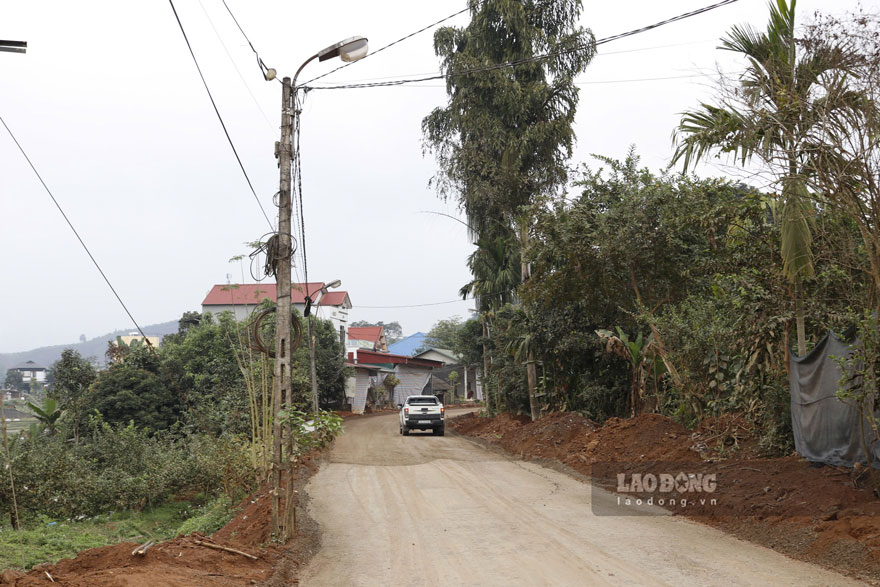
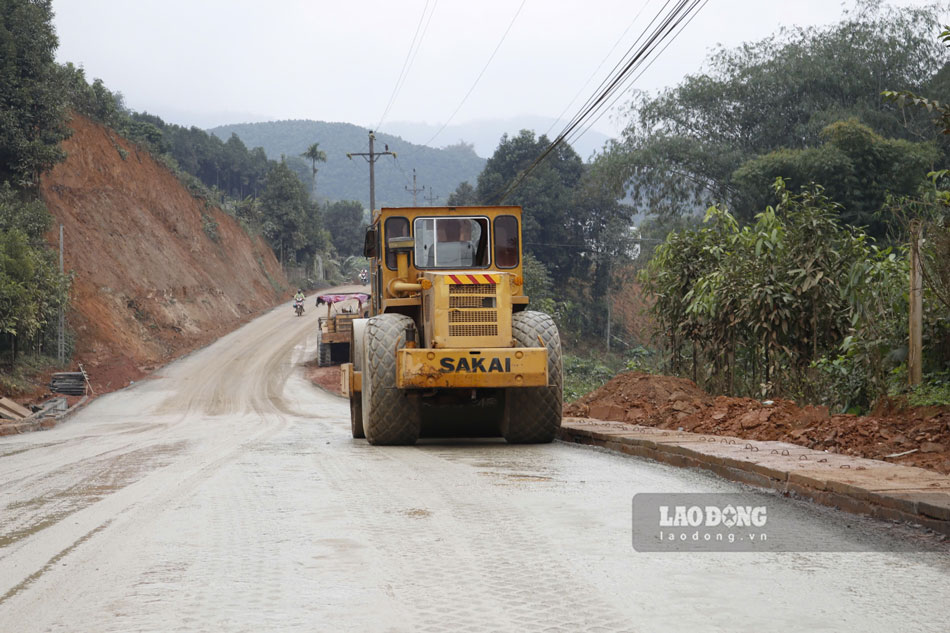
Reality shows that many places in the past, even though they had products, were still poor because they could not bring goods to the market. When the roads were opened, those "bottlenecks" were gradually removed.
People have switched from self-sufficiency to commodity production, linked consumption, gradually escaping poverty.
According to leaders of Lao Cai province, in the period 2021-2025, the locality has solidified more than 3,850km of rural roads, opened nearly 500km of new roads. Contributing to that result are more than 1,380 billion VND from people, in money, working days and especially donated land.


