
On May 11, Ca Mau Provincial People's Committee issued a decision adjusting the Nam Can Waste-to-Energy Plant Project. According to the adjustment decision, the project's usable area is 20ha, of which 7.5ha is for construction items and 12.5ha is reserved land fund for project expansion and development in the future.
The total estimated investment capital of the project has been adjusted to more than 1,812 billion VND. Of which, project implementation costs are nearly 1,798 billion VND, and compensation and site clearance costs are more than 14.6 billion VND.
The Provincial People's Committee also supplemented the content on the technology used by the project, which is waste burning technology for electricity generation, implemented according to the criteria specified in Circular No. 02/2022 of the Ministry of Natural Resources and Environment on domestic solid waste treatment.
Notably, the price of domestic solid waste treatment services is tentatively estimated not to exceed 450,000 VND/ton, excluding VAT. This price includes the cost of waste treatment, fly ash treatment, ash and slag treatment at the project and ensures a landfill rate of less than 15%.
According to Ca Mau Provincial People's Committee, the official promulgation of service prices for domestic solid waste treatment and the price adjustment roadmap will be implemented in accordance with the law on prices and current authority.
The Nam Can Waste-to-Energy Plant project has a treatment capacity of about 600 tons of domestic waste per day, a power generation capacity of 6MW. After going into operation, the plant will receive and treat waste for the Phan Ngoc Hien, Tan An, Dat Mui, Nam Can, Dat Moi and Tam Giang areas.
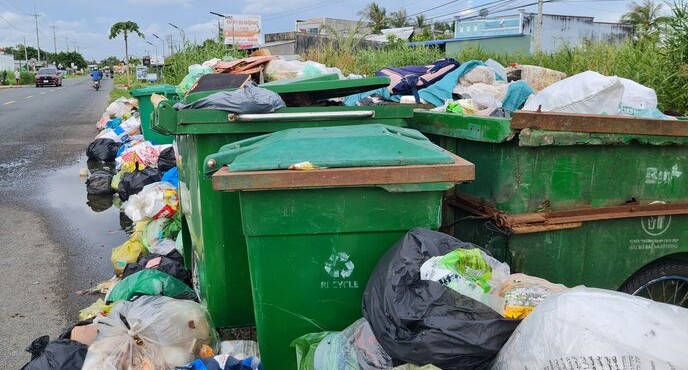
The adjustment of investment policy and supplementation of waste treatment service prices takes place in the context that Ca Mau province is facing great pressure on waste treatment. From June 16, 2025 to now, Ca Mau City Waste Treatment Plant - the province's only waste treatment facility - has temporarily stopped receiving waste to wait for the issuance of new treatment unit prices.
This situation makes it difficult to collect, transport and treat waste in the province, many localities have to temporarily store waste, posing a potential risk of environmental impact.


